Regrets and Reels: 10 Directors Who Disowned Their Iconic Films
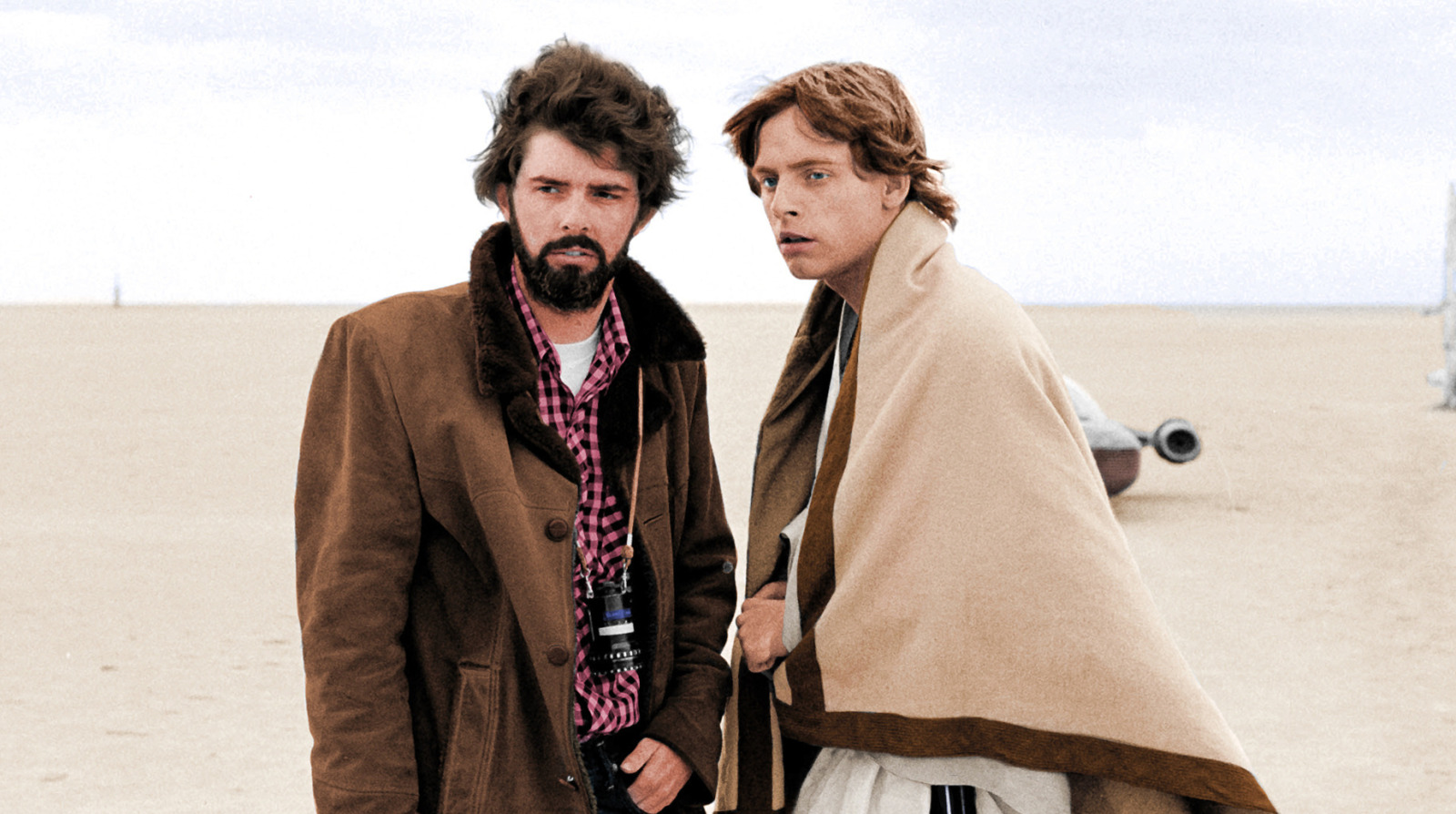
Directors often find themselves at odds with their own creations, even when those creations become iconic. This list delves into the regrets of ten directors who were dissatisfied with some of their most famous films. Despite their personal misgivings, these movies have left a lasting impact on cinema history, garnering critical acclaim and audience adoration.
Fritz Lang's 1927 masterpiece "Metropolis" is hailed as a visual marvel and a pioneer of science fiction cinema. However, Lang himself dismissed the film as "silly and stupid," criticizing its simplistic message and portrayal of humans as mere cogs in a machine. His disdain for the film was further fueled by his ex-wife's involvement and the Nazi Party's admiration for it.
Charlie Chaplin's satirical comedy "The Great Dictator" faced a similar fate, with the comic mishaps involving concentration camps losing their humor in light of the atrocities committed by the Nazis. Chaplin expressed regret for making light of such horrors, acknowledging that he wouldn't have created the film had he known the full extent of the genocide.
Alfred Hitchcock's experimental thriller "Rope," shot to appear as one continuous take, initially received mixed reviews and was deemed an unsuccessful experiment by the director. Despite Hitchcock's reservations, the film has since been reevaluated positively, praised for its technical innovation and queer subtext that resonates with modern audiences.
Stanley Kubrick's controversial sci-fi film "A Clockwork Orange" faced a self-imposed ban in the UK, a decision shrouded in mystery. While Kubrick never publicly explained his actions, speculations suggest it was a response to threats he received following the film's release. The ban underscored Kubrick's frustration with the film's misinterpretation and its impact on society.
Francis Ford Coppola's sequel "The Godfather Part II," despite its critical acclaim and accolades, was viewed by the director as a product of studio greed. Coppola believed that the original film had concluded the story effectively and that the sequel was unnecessary. His reluctance to continue the saga highlights his artistic integrity and aversion to commercial pressures.
Woody Allen's romantic comedy "Annie Hall," a beloved classic that earned him Oscars, deviated from his original vision, leading to his dissatisfaction with the final product. Allen felt that the film focused too heavily on the romantic relationship, overshadowing his intended exploration of a character's stream of consciousness. The film's success did little to alleviate his disappointment.
Steven Spielberg's "Indiana Jones and the Temple of Doom," known for its darker tone and controversial content, failed to resonate with the director, who found it too horrific and lacking in personal connection. Spielberg's disapproval of the film's direction reflects his artistic sensibilities and desire for more uplifting storytelling.
Makoto Shinkai, director of the acclaimed anime film "Your Name," expressed regret over the film's perceived shortcomings, citing its incompleteness and imbalance. Despite its commercial success and critical acclaim, Shinkai felt constrained by the film's popularity and the creative limitations it imposed on his subsequent projects.
In conclusion, the conflicted relationship between directors and their acclaimed works sheds light on the complexities of artistic creation and personal satisfaction. While audiences may celebrate these films as cinematic milestones, the directors' regrets offer a glimpse into the intricate dynamics of filmmaking and the enduring impact of creative decisions.