Sci-Fi Visionaries: 11 Groundbreaking Films from the 1970s
The 1970s were a groundbreaking era for cinema, with the science fiction genre experiencing a renaissance of adventure and experimentation. This period saw a surge in films that defied traditional narrative structures, embraced visual and formal innovation, and blended sci-fi with other genres. Some of these visionary works were immediately recognized, while others found appreciation later on. Here are 11 sci-fi movies from the '70s that were ahead of their time.
David Lynch's 1977 directorial debut, "Eraserhead," is a bold and disturbing horror surrealism film that defies commercial norms. The story follows Henry, a man navigating a strange industrial city and dealing with a bizarre newborn baby. Lynch's use of black and white cinematography and unsettling sound design revolutionized the horror genre, setting a new standard for surrealism.
Andrei Tarkovsky's 1972 film "Solaris" challenged sci-fi conventions by focusing on psychological drama over traditional sci-fi elements. The story follows psychologist Kris Kelvin investigating strange phenomena on a space station orbiting the planet Solaris. Tarkovsky's cerebral approach to storytelling elevated science fiction cinema to new heights.
Jane Arden and Jack Bond's 1979 avant-garde sci-fi film "Anti-Clock" is a visually inventive masterpiece that explores themes of surveillance and reality. The film follows Joseph Sapha, who undergoes a scientific experiment to alter his memories, leading to a mind-bending exploration of identity and perception. "Anti-Clock" is a must-watch for fans of experimental cinema.
René Laloux's 1973 animated film "Fantastic Planet" is a visually stunning sci-fantasy masterpiece that explores themes of oppression and resistance. Set on the planet Ygam, the film follows the Oms, a human population enslaved by the Draags, giant blue creatures. The story of political resistance unfolds in a visually captivating and thought-provoking manner.
Grigori Kromanov's 1970 film "Dead Mountaineer's Hotel" blends sci-fi and film noir in a claustrophobic mystery set in a remote hotel. Inspector Glebsky investigates a series of strange events, uncovering hidden secrets among the hotel's occupants. The film's unique blend of genres and atmospheric setting set it apart as a sui generis sci-fi classic.
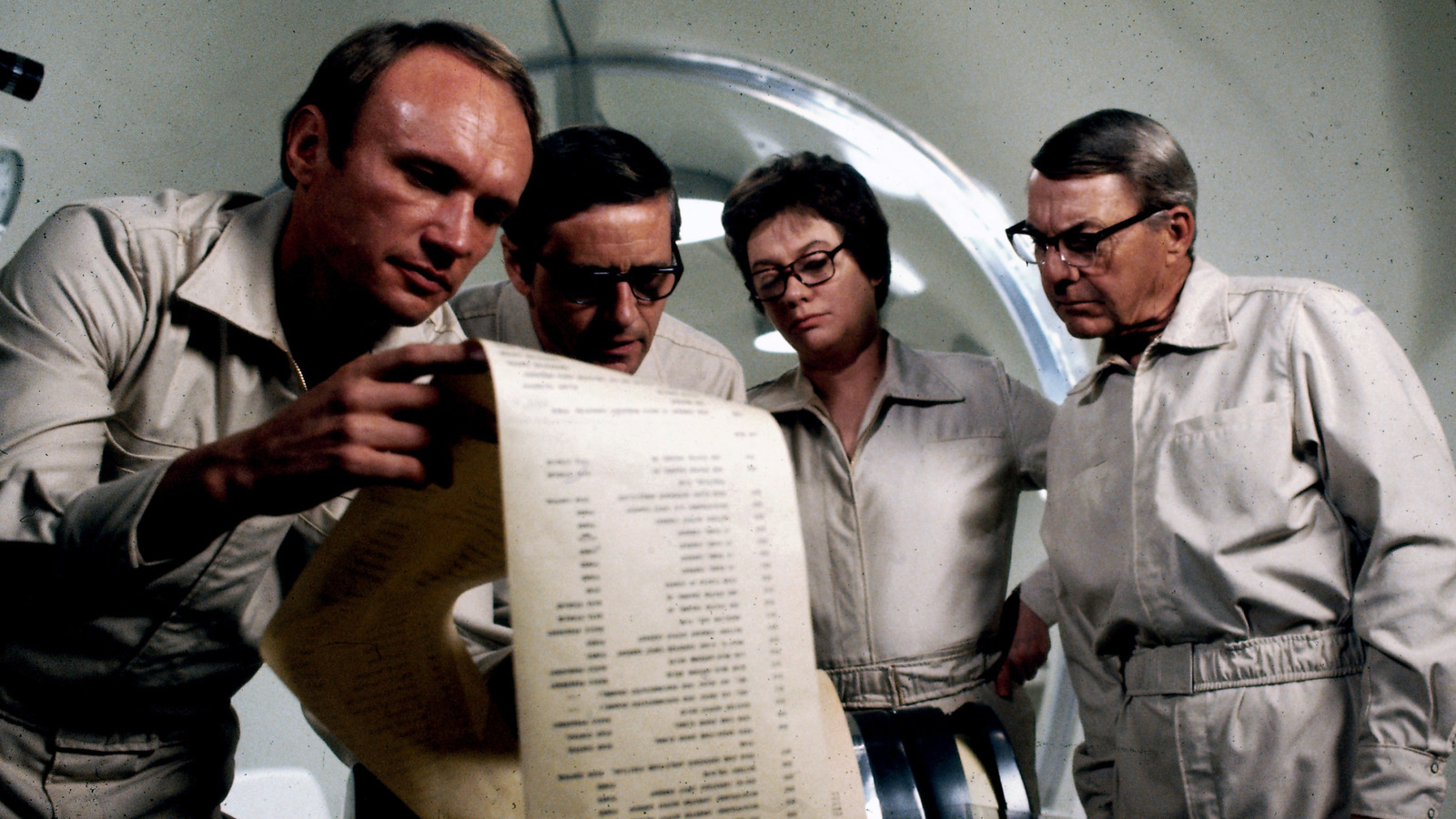
Robert Wise's 1971 film "The Andromeda Strain" is a science fiction thriller that emphasizes scientific inquiry and tension over blockbuster spectacle. Based on Michael Crichton's novel, the film follows a team of scientists investigating a deadly extraterrestrial life form. "The Andromeda Strain" is a gripping and intelligent thriller that showcases cutting-edge visual effects.
Leonid Gaidai's 1973 comedy "Ivan Vasilyevich Changes His Profession" is a witty and satirical take on time travel and political satire. The film follows engineer Shurik's accidental transportation of Ivan the Terrible to modern-day Moscow, leading to a series of hilarious misunderstandings. The film's humor and clever social commentary make it a timeless comedy classic.
John Boorman's 1974 film "Zardoz" is a post-apocalyptic sci-fi epic that blends surrealism and political allegory. Set in a future where immortals and mortals coexist, the film follows Zed's journey from a Brutal to a key player in the Vortex's political upheaval. Despite initial critical and box office reception, "Zardoz" has gained a cult following for its dreamy and unique storytelling.
Larry Cohen's 1976 film "God Told Me To" is a genre-defying blend of horror, sci-fi, and crime investigation that explores themes of faith and violence. The film follows a detective investigating a series of murders committed by individuals claiming divine inspiration. Cohen's emotional approach to exploitation and gritty New York City setting create a mesmerizing and thought-provoking thriller.
These sci-fi films from the '70s pushed the boundaries of storytelling, visual style, and genre conventions, paving the way for future innovation in cinema. Each film offers a unique and visionary perspective on the possibilities of science fiction storytelling, making them timeless classics that continue to inspire audiences today.