Exploring the Best Holodeck Episodes in Star Trek: A Journey Through Virtual Realities
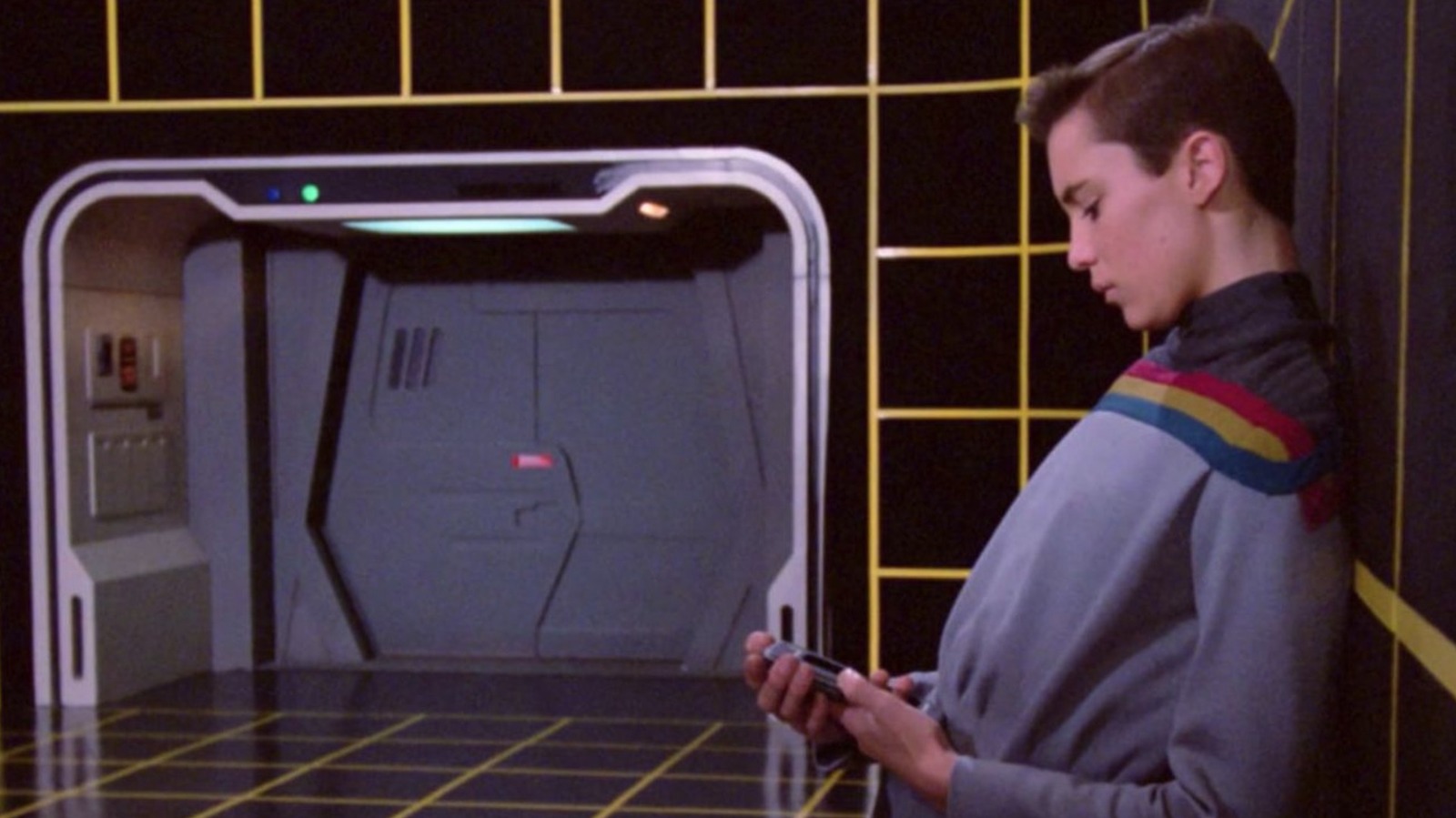
The introduction of holodecks in the 1987 pilot episode of "Star Trek: The Next Generation" revolutionized storytelling possibilities within the franchise. Holodeck-focused episodes have explored various characters and narratives without relying on safety protocol glitches. Over time, holodecks have become integral to the franchise, appearing in multiple shows and films, offering endless storytelling opportunities.
The use of holodecks in "Star Trek" has resulted in numerous episodes that are considered among the best in their respective series. The selection of the top 10 holodeck episodes was based on IMDb scores and fan discussions. These episodes showcase the versatility of holodecks in transforming the 24th-century setting into diverse and engaging narratives, making them exceptional examples of sci-fi entertainment.
In "Future Imperfect," the holodeck is used for deception as William Riker wakes up 16 years into a fabricated future. The episode unfolds a complex narrative involving a young son, a deceptive ambassador, and a lonely survivor, challenging Riker's perception of reality and leading to a surprising resolution aboard the Enterprise-D.
"Star Trek: Deep Space Nine" features the episode "Our Man Bashir," where a transporter accident traps the senior staff in a holosuite spy drama with real-life consequences. The thrilling story unfolds as the crew navigates the dangerous scenario, culminating in a dramatic rescue that saves them from the brink of death.
"Worst Case Scenario" in "Star Trek: Voyager" explores the merging of Starfleet and Maquis crews through a holosuite program designed by Tuvok. The crew faces a no-win scenario orchestrated by Seska, testing their unity and resourcefulness in a high-stakes simulation that threatens Voyager's safety.
"Star Trek: Lower Decks" presents "Crisis Point," where Beckett Mariner repurposes a holodeck program into a movie-style adventure to avoid therapy. The episode delves into character development and humor, blending references to sci-fi franchises in a cathartic showdown between Mariner and her holographic alter ego.
In "Elementary, Dear Data," "Star Trek: The Next Generation" explores Data's fascination with Sherlock Holmes, leading to the creation of a sentient holographic Moriarty. The ethical dilemma surrounding Moriarty's self-awareness challenges the crew's perceptions of artificial life, setting the stage for future encounters with the character.
"Deep Space Nine" introduces Section 31 in the episode "Inquisition," where Dr. Bashir is tested for loyalty by Luther Sloan. The covert organization's existence is revealed through a holodeck simulation, highlighting the moral ambiguity of Starfleet's clandestine operations and the ethical dilemmas faced by its officers.
"Real Life" in "Star Trek: Voyager" follows The Doctor's quest for humanity as he navigates the complexities of family dynamics in a holographic simulation. The emotional journey culminates in a poignant exploration of loss and acceptance, deepening The Doctor's understanding of human experiences.
"It's Only a Paper Moon" in "Star Trek: Deep Space Nine" delves into Nog's struggle with PTSD and loss as he finds solace in a holosuite program. The episode explores themes of healing and resilience as Nog confronts his trauma and embraces his path towards recovery with the help of his friends and the holographic character Vic Fontaine.
These top holodeck episodes in "Star Trek" showcase the diverse storytelling potential of the technology, offering compelling narratives that challenge characters' perceptions, ethics, and emotions. Through imaginative scenarios and character-driven plots, holodeck episodes continue to captivate audiences with their exploration of the human experience in a futuristic setting.