Exploring the Depths of 'Mad Men': A Character-Driven Journey Through the 1960s Advertising World
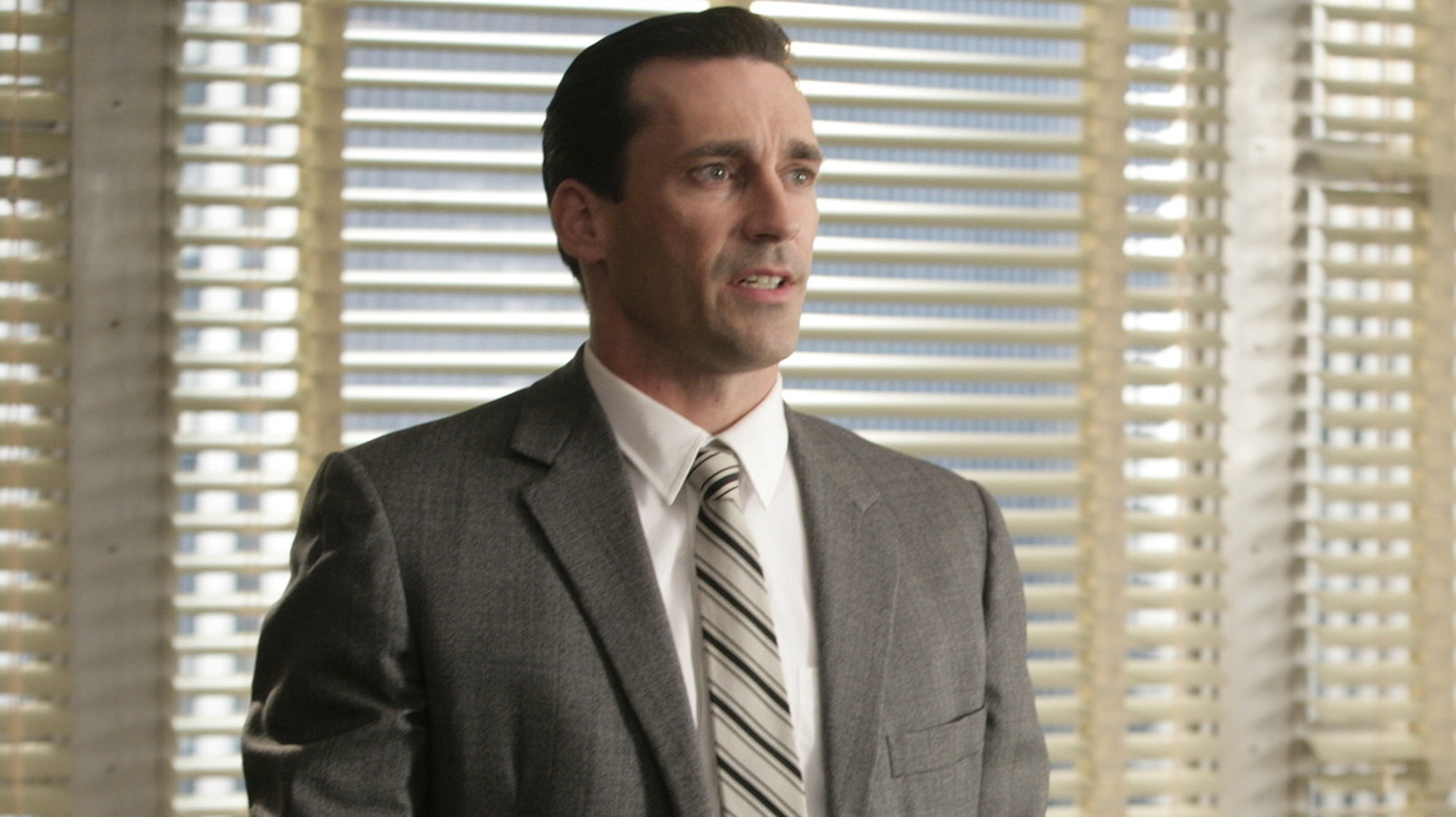
AMC's "Mad Men" is a multi-layered character drama set in the 1960s New York City advertising world. The show follows the life of successful ad executive Don Draper, played by Jon Hamm, along with a diverse cast of characters who contribute to the narrative. The series finale, "Person to Person," is widely regarded as one of the best in television history, showcasing the show's depth and complexity. Despite its dark humor, "Mad Men" offers a compelling storyline that captivates viewers.
In the episode "Guy Walks Into An Advertising Agency," Sterling Cooper faces a visit from its British parent company, PPL, setting the stage for significant changes within the agency. The episode also delves into personal struggles, such as Joan's disappointment and Sally's unease. With well-deserved Emmy nominations for writing and directing, "Guy Walks Into An Advertising Agency" stands out as a pivotal moment in the series, despite its crowded narrative.
"Meditations in an Emergency" explores the Cuban Missile Crisis and the merger between PPL and Sterling Cooper. It also reveals personal revelations for characters like Betty and Peggy, adding depth to the storyline. The episode effectively intertwines historical events with character development, making it a standout installment in the series.
In "Maidenform," Peggy challenges traditional gender roles by asserting her creative voice in a male-dominated industry. Meanwhile, Don confronts the consequences of his womanizing behavior, leading to introspection and self-discovery. The episode's psychological depth and character exploration set it apart as a unique and compelling entry in the series.
"The Hobo Code" delves into Don's past, revealing his upbringing and the origins of his manipulative skills. Through flashbacks and present-day interactions, the episode provides insight into Don's complex character and motivations. While serving as an origin story, "The Hobo Code" offers a compelling narrative that enriches the overall series.
"Smoke Gets In Your Eyes" introduces viewers to the world of "Mad Men" through Don's perspective and Peggy's journey at Sterling Cooper. The episode sets the stage for the series' exploration of complex characters and relationships. Despite its establishment of key plot points, "Smoke Gets In Your Eyes" remains a standout episode for its character development and storytelling.
"The Other Woman" showcases Joan's struggle for respect and agency in a male-dominated workplace. The episode highlights the power dynamics at play and the sacrifices women make to succeed in a competitive industry. Jon Hamm and Christina Hendricks deliver powerful performances, elevating the emotional impact of the storyline.
In "The Wheel," Don uses nostalgia to connect with his colleagues and clients, showcasing his ability to sell a dream. The episode explores themes of longing and illusion, revealing the facade Don presents to the world. Despite a subplot involving Peggy's pregnancy, "The Wheel" stands out for its emotional depth and character dynamics.
"The Good News" delves into Don's friendship with Anna Draper and his personal struggles. The episode balances poignant moments with humor, showcasing Don's vulnerable side. Through interactions with Anna and comedic escapades with Lane Pryce, "The Good News" offers a nuanced portrayal of Don's character and relationships.
In conclusion, "Mad Men" is a masterful exploration of complex characters and relationships set against the backdrop of the 1960s advertising world. Each episode offers a unique blend of drama, humor, and introspection, making it a standout series in television history. With its compelling storytelling and rich character development, "Mad Men" continues to captivate audiences and earn its place among the greatest TV dramas of all time.