The Big Bang Theory: A Tribute to the Legendary Running Gags and Iconic Jokes
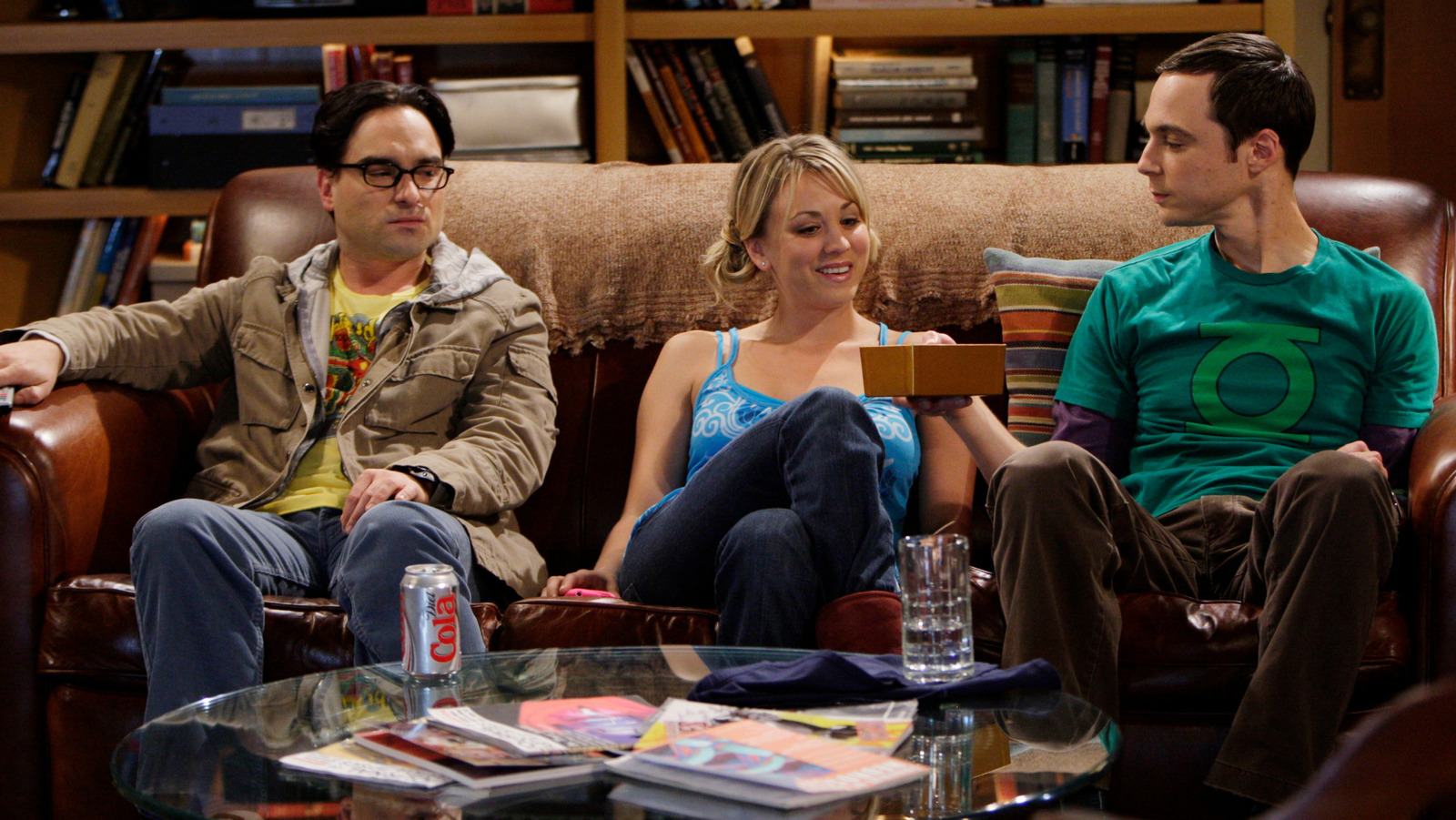
"The Big Bang Theory" was a cultural phenomenon during its run from 2007 to 2019, with its witty one-liners and recurring jokes captivating audiences. The show's iconic catchphrases, such as "Bazinga," have become synonymous with the series, resonating with fans long after the show ended. From Sheldon's spot on the couch to Amy's adoration of Penny, the sitcom has left a lasting impact on viewers. Looper conducted a fan survey to determine the best running gags on the show, highlighting the most legendary jokes that have become fan favorites.
Howard Wolowitz's relationship with his overbearing mother, Mrs. Debbie Wolowitz, is a recurring theme throughout the series. Despite never being seen on screen, Mrs. Wolowitz's presence is felt through her constant nagging and demands, leaving a lasting impression on the audience. Howard's struggle to break free from his mother's control is a central storyline, culminating in a poignant moment when she passes away, revealing her kinder side to the gang. Bernadette carries on Mrs. Wolowitz's legacy by mimicking her voice to get her way with Howard, showcasing the enduring impact of the character.
Sheldon's catchphrase, "Bazinga," has become synonymous with his character, symbolizing his dry humor and penchant for pranks. While the phrase is used sparingly in later seasons, it remains a defining aspect of Sheldon's personality. His attachment to his spot on the couch is another running gag, with Sheldon fiercely guarding his designated seat. The tension surrounding Sheldon's spot provides comedic moments as his friends playfully challenge his authority over the coveted seat.
Amy Farrah Fowler's friendship with Penny is a comedic highlight of the series, with Amy's eccentric behavior adding a unique dynamic to their relationship. From mimicking primate bonding techniques to syncing menstrual cycles, Amy's over-the-top gestures towards Penny showcase her unwavering devotion. The evolution of their friendship from awkward beginnings to a genuine bond is a testament to the show's ability to blend humor with heartwarming moments.
Sheldon's rigid schedule and quirky habits are a recurring theme on the show, with his precise routines providing comedic fodder for the other characters. From his specific meal choices to his daily rituals, Sheldon's adherence to his schedule is a source of amusement for his friends. Penny's habit of mooching off Sheldon and Leonard adds another layer of humor to the show, highlighting the dynamics between the main characters.
The broken elevator in Sheldon and Leonard's apartment building is a visual gag that recurs throughout the series, symbolizing the group's shared experiences and mishaps. The elevator's malfunction is revealed to be the result of Leonard's failed experiment, leading to a series of comedic moments as the characters navigate the broken lift. The eventual repair of the elevator in the show's penultimate episode marks a significant moment for the characters, symbolizing growth and change as the series nears its conclusion.
The lullaby "Soft Kitty" is a beloved recurring element on the show, serving as a comforting gesture between characters during times of illness or distress. The simple tune, first sung by Penny to a sick Sheldon, becomes a symbol of friendship and support throughout the series. The song's significance is further highlighted as other characters, including Sheldon's mother and Amy, adopt the lullaby as a way to show care and affection. "Soft Kitty" transcends its origins to become a cherished tradition among the characters, showcasing the show's ability to blend humor with heartfelt moments.
In conclusion, "The Big Bang Theory" has left a lasting legacy with its iconic running gags and recurring jokes that have endeared the show to fans worldwide. From Sheldon's catchphrases to the quirky habits of the main characters, the series has created a rich tapestry of humor and heartwarming moments that continue to resonate with audiences long after its conclusion.