Preserving Progress: Ensuring Continued Decline in Overdose Deaths in 2026
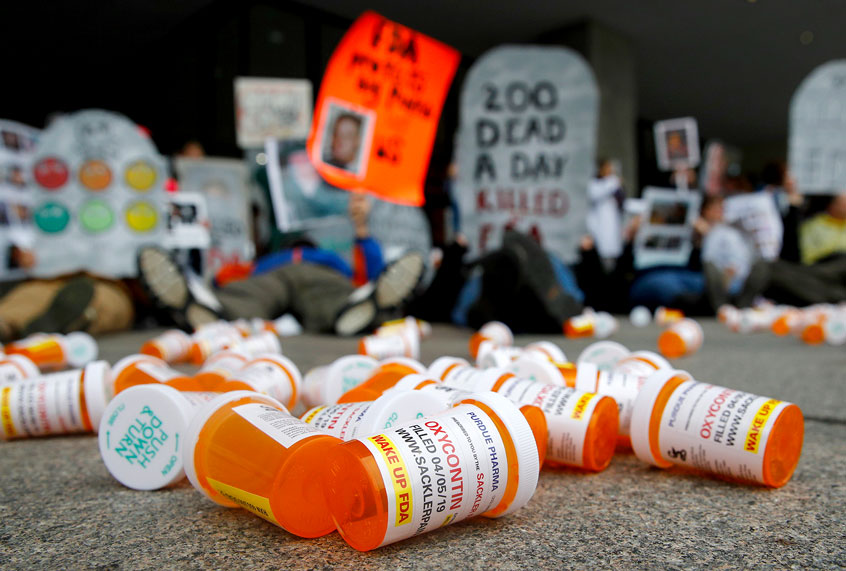
Overdose deaths in the United States are on a significant decline, with projections showing a nearly 25% decrease for the twelve months ending in April 2025. This decline is a result of aligning public policy with evidence and implementing life-saving tools that have proven effective. Access to medications for opioid use disorder, telehealth for addiction treatment, and community access to naloxone have played crucial roles in saving lives and bringing individuals back to their families. The progress made in 2025 is at risk of being undone if foundational policies are not maintained heading into 2026.
Medications such as buprenorphine and methadone have been instrumental in reducing the risk of death for individuals with opioid use disorder. However, bureaucratic hurdles and insurance barriers have hindered access to these life-saving treatments. States like Texas and Massachusetts have made efforts to close these gaps by expanding mobile treatment programs and integrating addiction treatment into primary care. Telehealth has also played a significant role in improving access to care, especially in rural areas and for individuals without reliable transportation. The future of these initiatives is uncertain unless Congress takes action to preserve them in 2026.
Changes in insurance coverage, particularly Medicaid, have also impacted access to critical treatment services for individuals with opioid use disorder. The unwinding of pandemic protections and potential cuts to Medicaid and CHIP spending could result in millions of people losing coverage and being pushed out of treatment. Congress has the power to address these lapses in policy and must act to ensure that vulnerable populations receive evidence-based, lifesaving treatment. Legislation should focus on expanding the treatment workforce and supporting peer recovery programs to build on the progress made in 2025.
The decline in overdose deaths in 2025 is a result of collaborative efforts by healthcare providers, community organizations, families, and lawmakers who prioritized data-driven solutions. However, this decline does not signify victory but rather a critical opportunity to continue saving lives. The decisions made by Congress in 2026 will determine whether the progress made in 2025 is sustained or reversed. Families will gather again next holiday season, and the seats at the table will reflect the impact of policies implemented in the coming year. The country must continue to prioritize policies that have proven effective in saving lives and ensure that individuals have access to the care they need to overcome addiction.