The Blue Food Cookbook: Exploring Sustainable Seafood and Culinary Delights
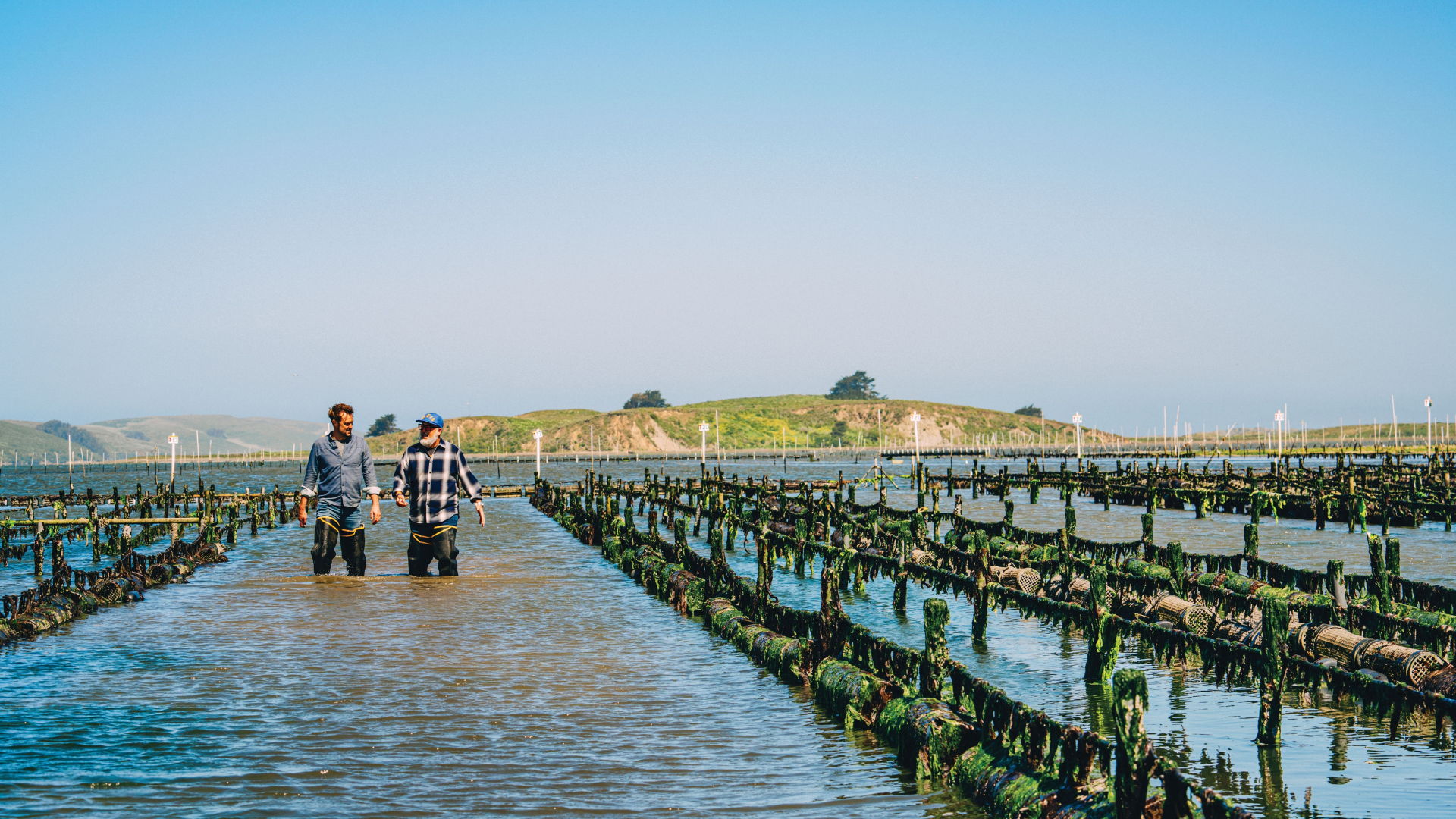
Global food systems have a significant impact on the environment, using a large portion of fresh water, land, and emitting greenhouse gases. To address this issue, reducing the environmental footprint of food production is crucial. Blue foods, sourced from oceans, lakes, and rivers, offer a sustainable option for nourishing populations and supporting a flourishing future. The Blue Food Cookbook by Andrew Zimmern and Barton Seaver emphasizes the importance of knowing where your seafood comes from and expanding your culinary horizons to include lesser-known but delicious fish and shellfish. By supporting marine protected areas and making conscious food choices, we can help restore abundance to our oceans.
When it comes to purchasing seafood, both large grocery stores and smaller independent stores offer a variety of options. While buying seafood from any trustworthy source is recommended, supporting smaller stores can provide increased variety, expertise, and quality. Keeping seafood cold is essential to maintain freshness, with some products staying fresh for up to two weeks. Preserving seafood through traditional methods like air-drying, salt curing, and canning has a long history and continues to be a valuable practice in the seafood industry.
Seaweed, known for its bold flavor, can enhance dishes when dried and used sparingly. Dried seaweeds like dulse, kelp, and sea lettuce add a unique umami flavor profile to recipes. Fish sauces from different regions, such as Southeast Asia and Italy, offer distinct flavors and can elevate the taste of various dishes. Stocks and broths made from seafood bones and shells are essential bases for dishes like bouillabaisse and paella, providing depth and richness to the final dish. Clam juice and broth are versatile ingredients that add a sea-salty tang to recipes and can be enjoyed on their own as well.
Incorporating blue foods into our diets not only supports sustainable food systems but also introduces new flavors and culinary experiences. By making informed choices about the seafood we consume and exploring traditional preservation methods, we can contribute to a healthier future for our oceans and ecosystems. Embracing the diversity of blue foods and appreciating their unique qualities can lead to a more sustainable and delicious way of eating.