Exploring Dennis Lehane's Coughlin Trilogy: From 'Live by Night' to 'World Gone By
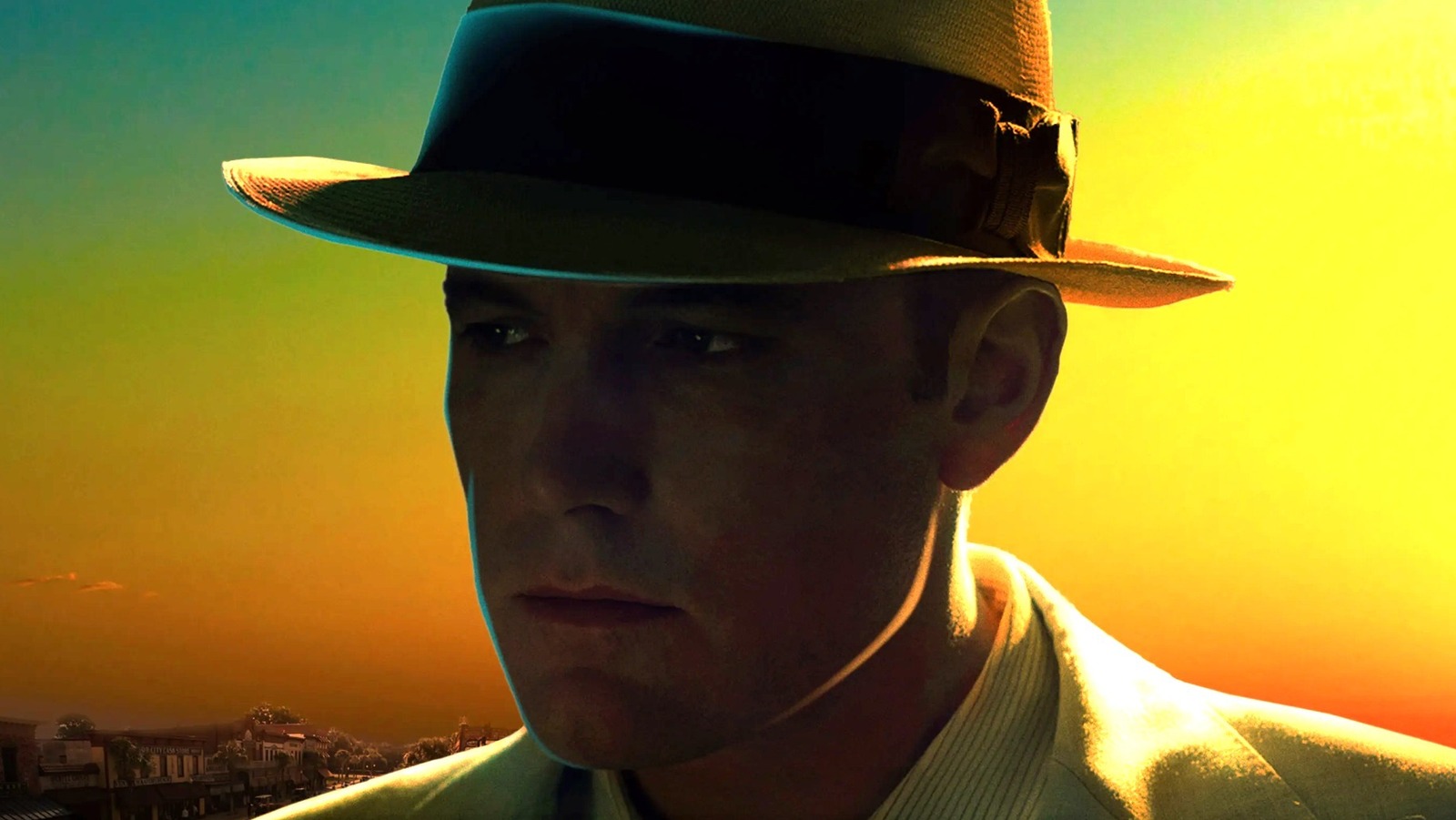
Ben Affleck had a challenging year in 2016 with three film releases that did not meet expectations. Despite his praised performance as Batman in "Batman v. Superman: Dawn of Justice," the movie itself was not well-received, signaling a decline for the DC Extended Universe. Affleck's action thriller "The Accountant" received mixed reviews but managed to secure a sequel. His passion project, "Live by Night," set in the 1920s during Prohibition, failed to impress both critics and audiences. The film marked Affleck's first directorial miss and was based on a novel by Dennis Lehane, who also hails from Boston.
"Live by Night" is part of a trilogy following the Coughlin family in the early 20th century, with the second novel focusing on Joe Coughlin's rise in the criminal underworld. Affleck's adaptation of Lehane's work did not resonate as strongly as his previous projects, leaving some fans disappointed. Despite being part of a larger narrative, "Live by Night" fell short compared to other works in the Coughlin trilogy. Lehane's storytelling prowess shines in his novels, with intricate plots and compelling characters that captivate readers.
Lehane's transition from writing detective novels to more literary works like "The Given Day" showcases his versatility as an author. The novel delves into the post-World War I era in Boston, exploring themes of race, labor organizing, and family dynamics. With complex narratives and rich historical detail, "The Given Day" stands out as one of Lehane's most ambitious and well-crafted works. The author's ability to blend historical research with engaging storytelling sets him apart in the literary world.
While Lehane has expressed reluctance to adapt his books into screenplays, his work on TV shows like "The Wire" and mini-series for Apple TV demonstrates his storytelling skills across different mediums. Fans of Lehane's novels eagerly anticipate potential adaptations of his works for the screen, including "The Given Day," which could lend itself well to a mini-series format. With a diverse range of characters and intricate plotlines, Lehane's stories offer a wealth of material for compelling on-screen adaptations.
In "Live by Night," Lehane explores the themes of American capitalism and organized crime through the character of Joe Coughlin. Drawing parallels to "The Godfather," the novel delves into the complexities of gangster life and the pursuit of power. While the book balances romance and cynicism, it also delves into darker themes of betrayal and loss. The trilogy concludes with "World Gone By," a somber reflection on Joe's journey and the consequences of his actions. Lehane's ability to craft morally complex characters and gripping narratives shines through in his trilogy, leaving readers with a profound sense of tragedy and redemption.
Overall, Dennis Lehane's Coughlin trilogy offers a compelling exploration of family, crime, and redemption in early 20th-century America. With intricate plots, vivid characters, and rich historical detail, Lehane's novels captivate readers and offer a glimpse into a bygone era. Whether on the page or screen, Lehane's storytelling prowess continues to resonate with audiences, cementing his legacy as a master of crime fiction.