The Unpredictable Nature of Film Success: Factors That Can Make or Break a Movie's Reception
The film industry is a complex and unpredictable business. A movie's success can hinge on various factors, such as the quality of the script, the performances of the actors, the direction of the film, and the timing of its release. Sometimes, despite all efforts, a movie fails to find its audience due to unfortunate circumstances beyond the control of the filmmakers.
"Donnie Darko" is a unique and enigmatic film that struggled to connect with audiences upon its release. The movie's dark and challenging themes were overshadowed by the traumatic events of 9/11, which affected people's mood and preferences for entertainment at the time. Director Richard Kelly believed that the film's disturbing content was not what audiences wanted to experience in the aftermath of a catastrophic tragedy.
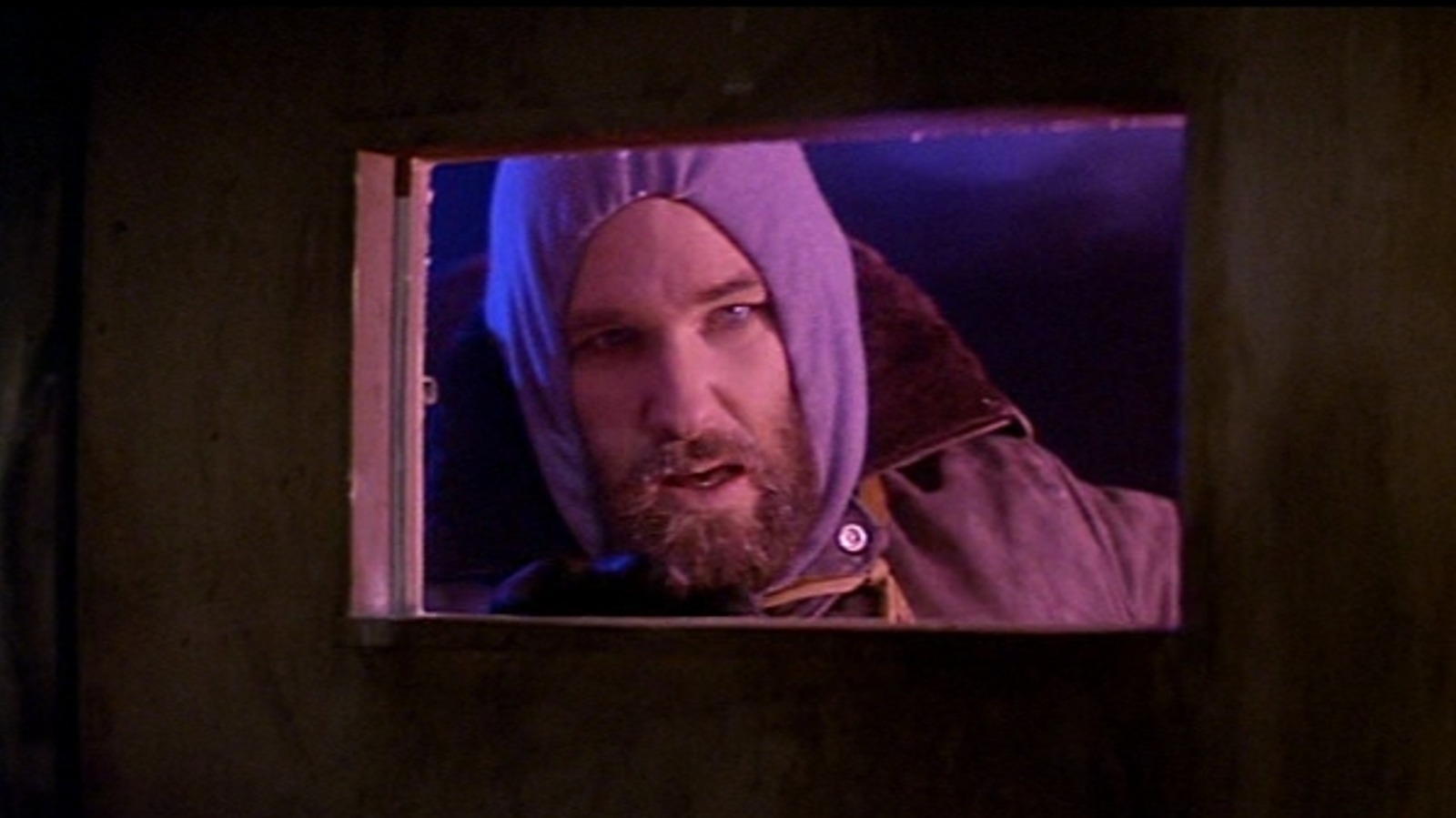
John Carpenter's sci-fi/horror classic "The Thing" faced tough competition when it was released in 1982. The film had to contend with the overwhelming popularity of "E.T. The Extra-Terrestrial," which offered a more uplifting and heartwarming story that resonated with audiences during a period of economic recession. "The Thing" struggled to attract viewers who were seeking a more positive and uplifting cinematic experience.
Hugh Grant's romantic comedy "Nine Months" faced a significant setback due to the actor's personal scandal just before its release. Grant's arrest for engaging in inappropriate behavior tarnished the film's reputation and overshadowed its potential success. Despite being a box office success, "Nine Months" received negative reviews that focused more on Grant's personal life than the film itself.
Nate Parker's "The Birth of a Nation" generated immense buzz and anticipation following its premiere at Sundance in 2016. However, the film's release was marred by controversy surrounding Parker's past allegations of sexual assault. The negative publicity surrounding Parker's personal life overshadowed the film's powerful narrative and ultimately led to its commercial failure.
"Weird Al" Yankovic's comedy "UHF" struggled to find an audience in theaters due to intense competition from other blockbuster films of the 1980s. Despite its comedic and satirical elements, "UHF" failed to stand out amidst the cultural phenomena of movies like "Batman," "Ghostbusters II," and "Dead Poets Society." The film's release during a crowded period in cinema history hindered its chances of success.
Ridley Scott's "All The Money In The World" faced unexpected challenges when Kevin Spacey, one of the film's lead actors, was embroiled in a sexual assault scandal. Scott's decision to reshoot Spacey's scenes with Christopher Plummer added significant costs to the production and affected the film's marketing and reception. The controversy surrounding Spacey's misconduct overshadowed the film's narrative and impacted its box office performance.
"Stir of Echoes," starring Kevin Bacon, struggled to attract audiences due to its proximity to the release of M. Night Shyamalan's "The Sixth Sense." Despite sharing similar supernatural themes, "Stir of Echoes" failed to capture the attention and acclaim that Shyamalan's film received. The timing of its release and comparisons to a cinematic masterpiece hindered the film's chances of success.
Disney's "Hocus Pocus" faced a peculiar release strategy when it premiered in July, far from the Halloween season that the film celebrates. The decision to release a Halloween-themed movie in the summer resulted in limited interest from audiences who were more focused on other blockbuster films at the time. Despite its initial underwhelming performance, "Hocus Pocus" has since become a beloved Halloween classic through home video and television broadcasts.
In conclusion, the success or failure of a film can be influenced by various external factors, including timing, competition, and unforeseen circumstances. While some movies may struggle to find their audience upon release, they can still achieve recognition and appreciation in the long run through alternative distribution channels and audience engagement. Timing plays a crucial role in determining a film's reception and impact on viewers, highlighting the importance of strategic planning and marketing in the movie industry.