Unraveling the Mystery of the Mysterious Briefcase in 'Stranger Things': Insights from 'The First Shadow' Stage Play
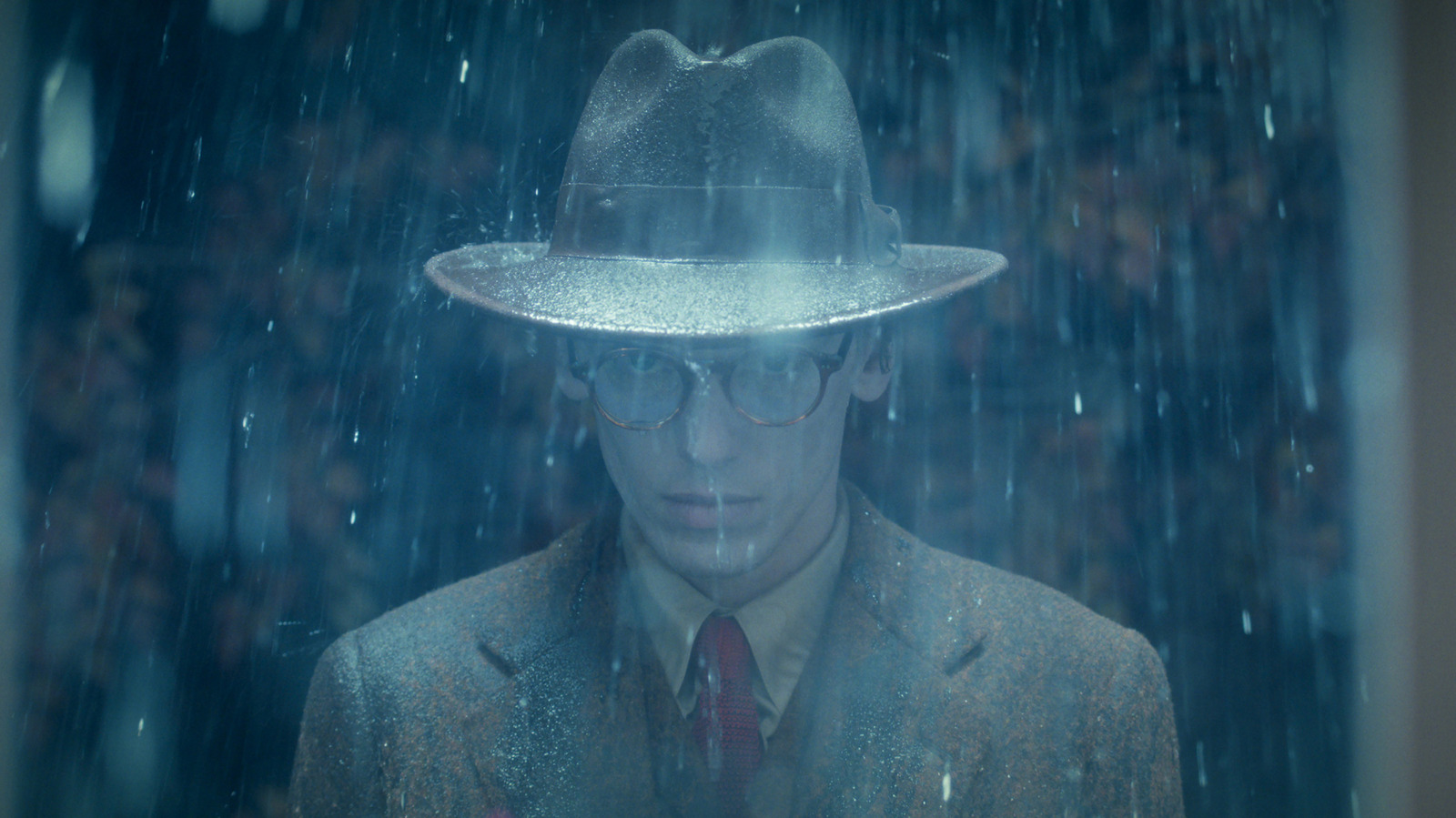
The latest season of "Stranger Things" has left fans puzzled with a mysterious briefcase that plays a crucial role in the storyline. While trapped in Vecna's mind prison, Max and Holly witness a younger version of Vecna named Henry Creel, who acquires a mysterious briefcase with smoke pouring out of it. The significance of this briefcase is finally revealed in the "Stranger Things" prequel stage play, "Stranger Things: The First Shadow," which sheds light on Henry's transformation after opening the briefcase and being infected by Mind Flayer particles in Dimension X.
The stage play delves deeper into Vecna's origin story, explaining how he became the original super-powered being in their dimension and how his blood was used to create other psychic children. However, the lack of explanation in the actual streaming series leaves viewers feeling frustrated and confused. The briefcase serves as a key element in Henry's journey to Dimension X and his eventual transformation, but this crucial information is only provided in the stage play, adding more complexity to the already dense "Stranger Things" lore.
In "The First Shadow," it is revealed that the briefcase is stolen technology that transported men to Dimension X, including Dr. Brenner's father, sparking Dr. Brenner's obsession with creating Eleven and the other telekinetic children. The experiment involved injecting pregnant women with Henry's blood, infecting the newborns with Mind Flayer particles. This revelation raises questions about why such important details were only disclosed in the stage play, leaving viewers feeling overwhelmed by the additional lore that is not directly addressed in the main series.
The intricate backstory unveiled in "Stranger Things: The First Shadow" adds depth to the narrative but also requires viewers to engage with external material to fully grasp the complexities of the storyline. As fans eagerly await the next season of "Stranger Things," the inclusion of such intricate details in supplementary content may hinder the overall viewing experience, making it challenging for audiences to keep up with the evolving narrative without delving into additional sources of information.