Currency Crisis: Traders Protest as Iranian Rial Hits Record Low
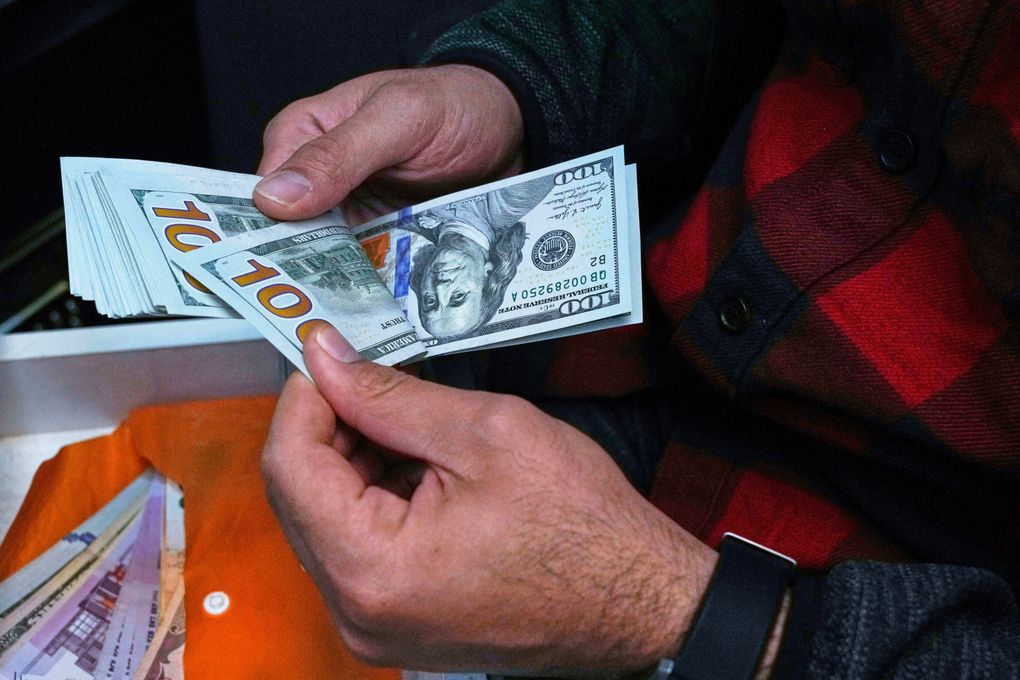
Traders and shopkeepers in Iran held protests for a second consecutive day as the country's currency hit a new low against the U.S. dollar. The demonstrations took place in Tehran, with participants rallying in Saadi Street and the Shush neighborhood near the Grand Bazaar. Videos shared on social media captured the gatherings, where traders closed their shops and urged others to do the same. Despite the protests, there were no reports of police intervention, although security was heightened in the area.
The Iranian rial experienced a significant drop, reaching 1.42 million to the dollar on Sunday and trading at 1.38 million rials to the dollar on Monday. This rapid depreciation has exacerbated inflation, leading to higher prices for essential goods and putting additional strain on household budgets. The inflation rate in December surged to 42.2% compared to the same period last year, with food prices soaring by 72% and health and medical items increasing by 50%. The government's plans to raise taxes in the upcoming Iranian new year have added to concerns about the economic situation.
The current economic challenges in Iran are further complicated by the aftermath of the 2015 nuclear accord, which saw the country's currency trading at 32,000 rials to the dollar before the agreement unraveled following the U.S. withdrawal in 2018. The recent conflict between Iran and Israel has also contributed to market uncertainty, with fears of a broader confrontation involving the United States looming. In September, the United Nations reimposed sanctions on Iran, freezing assets, halting arms transactions, and imposing penalties related to Iran's ballistic missile program.
In conclusion, the ongoing protests in Iran reflect the economic hardships faced by traders and shopkeepers as the country grapples with a depreciating currency, high inflation rates, and the impact of international sanctions. The government's plans to increase taxes have added to concerns about the economic outlook, exacerbating the challenges faced by businesses and households. The situation remains tense, with uncertainties surrounding geopolitical tensions and the potential for further economic instability.