The Economics of the 2026 World Cup: FIFA President Defends Ticket Prices and Revenue Allocation
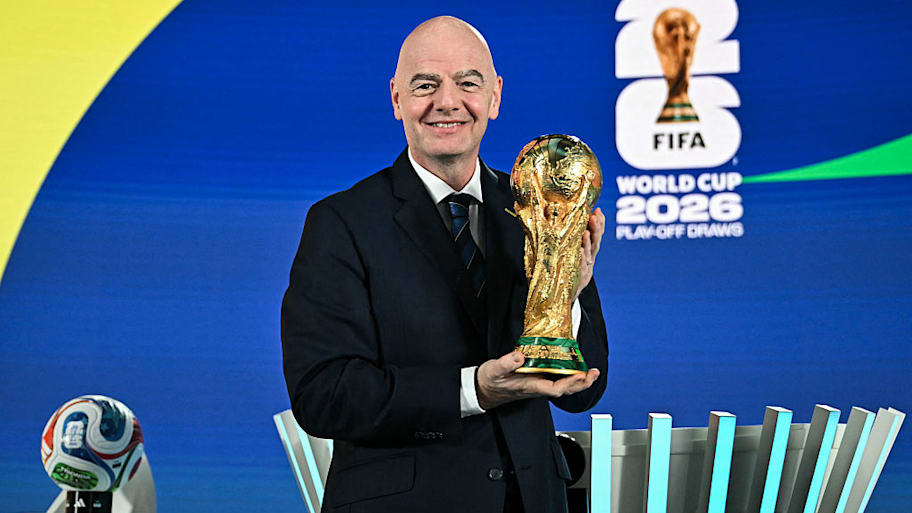
FIFA President Gianni Infantino recently defended the high ticket prices for the 2026 World Cup, attributing the steep costs to the overwhelming demand for tickets. The prices for the upcoming tournament in the United States, Canada, and Mexico have sparked criticism from fans worldwide, with some tickets being five times more expensive than those for the previous World Cup in Qatar. Infantino revealed that FIFA received a staggering 150 million ticket requests in just 15 days, highlighting the immense popularity of the event.
Despite the backlash, FIFA decided to introduce a new tier of tickets priced at $60 for every game in response to the criticism. Infantino acknowledged the concerns raised by fans and emphasized the importance of offering more affordable options. However, the majority of tickets, including some priced in the four-figure range, remain unchanged, making attending the World Cup a costly endeavor for many supporters.
The revenue generated from ticket sales for the 2026 World Cup is expected to be substantial, especially with the tournament expanding to 48 teams for the first time. Infantino assured that the funds generated would be reinvested back into football development worldwide, emphasizing FIFA's role in supporting the sport in 150 countries. While the high ticket prices have sparked controversy, the economic impact of the World Cup could have far-reaching implications for football's growth and development globally.
Infantino's commitment to using the revenue from ticket sales to benefit football development worldwide will be closely monitored in the coming years. The unprecedented demand for tickets and the substantial revenue generated from the 2026 World Cup could potentially have a significant impact on the sport's future.