Artistic Resistance: Defending Creativity and Truth in the Face of Government Control
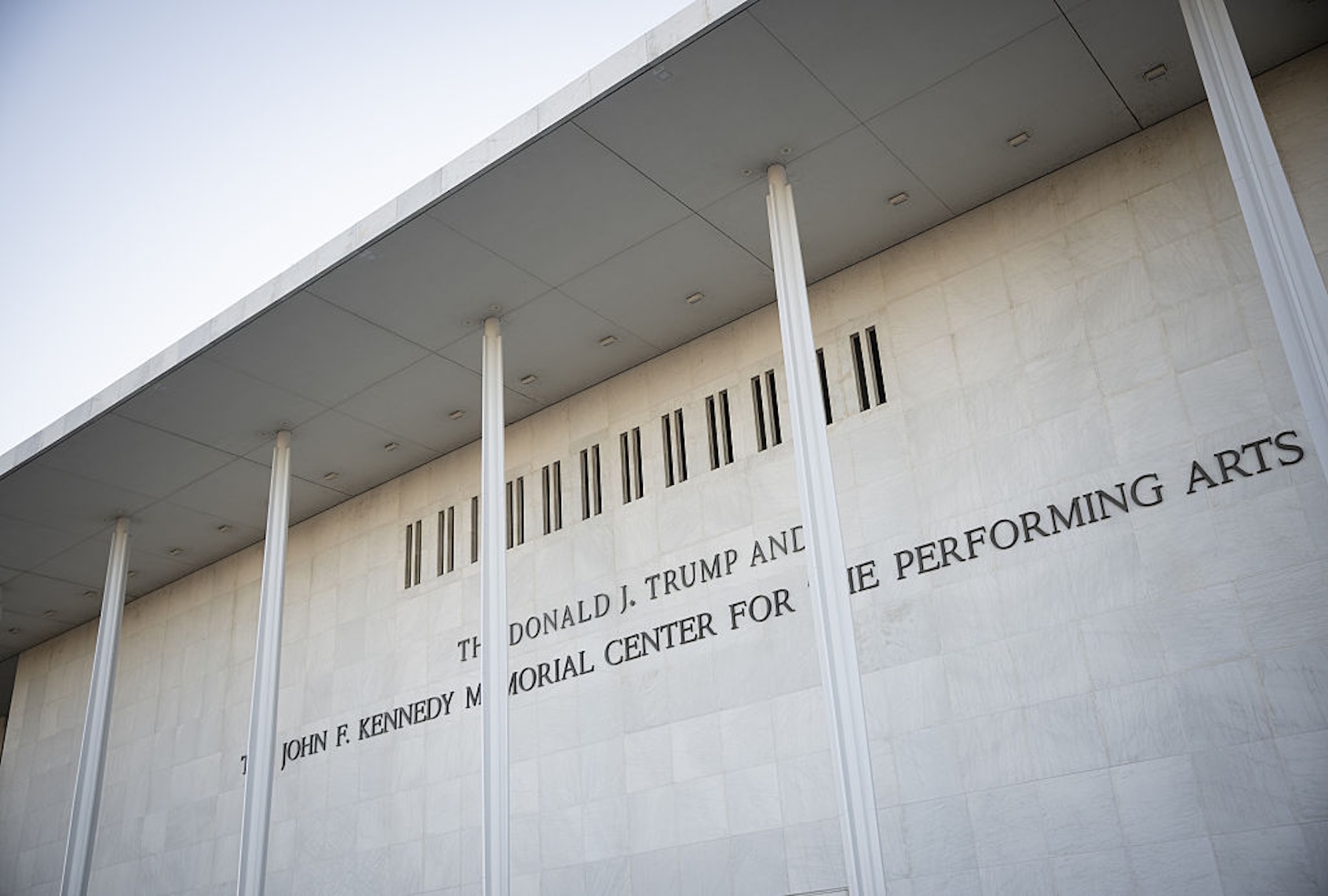
President John F. Kennedy delivered a significant speech at Amherst College shortly before his assassination in 1963, emphasizing the importance of art in society. He highlighted art's role in challenging norms and reflecting the truth. The decision to establish a world-class arts center as a living memorial to honor Kennedy's ideals was made by Congress. The Kennedy Center has been a prominent cultural hub in the capital for over 50 years. However, the current administration, led by Donald Trump, has controversially renamed it the "Donald J. Trump and The John F. Kennedy Memorial Performing Arts Center," sparking backlash from artists and performers who refuse to participate in events there. Despite threats of legal action, artists are standing up against the administration's attempts to control artistic expression.
Throughout history, artists have played a crucial role in resisting oppressive regimes and advocating for freedom of expression. In the face of government censorship and propaganda demands, creativity has thrived, producing powerful works that challenge authority. The post-World War II era in the U.S. saw a repressive period marked by government interference in the film industry, resulting in the creation of film noir and other genres that reflected the societal tensions of the time. Renowned filmmakers like Billy Wilder and Alfred Hitchcock defied studio and government pressures to produce groundbreaking works that critiqued mainstream culture. Plays such as Arthur Miller's "The Crucible" and avant-garde works by Jean Paul Sartre and Samuel Beckett also pushed boundaries and questioned societal norms, paving the way for artistic innovation in subsequent decades.
Today, as media companies face consolidation and government influence, artists continue to resist attempts to stifle creativity and control narratives. The Trump administration's efforts to suppress dissenting voices have sparked a new wave of artistic expression that challenges the status quo. Films like Paul Thomas Anderson's "One Battle After Another" offer poignant commentary on contemporary issues, using satire and humor to expose societal injustices. Artists are determined to tell the truth through their work, defying attempts at conformity and censorship. Kennedy's words about the artist as a defender of individuality against societal intrusion remain relevant, as artists stand firm in their commitment to artistic freedom and truth-telling. Trump's attempt to brand America in his image will not overshadow the enduring legacy of artists who champion creativity and resistance. The artists will ensure that Kennedy's memorial retains its original purpose, outlasting any attempts to erase its true essence.