Gender Disparities in Directorial Roles: A Closer Look at Women's Representation in the Film Industry
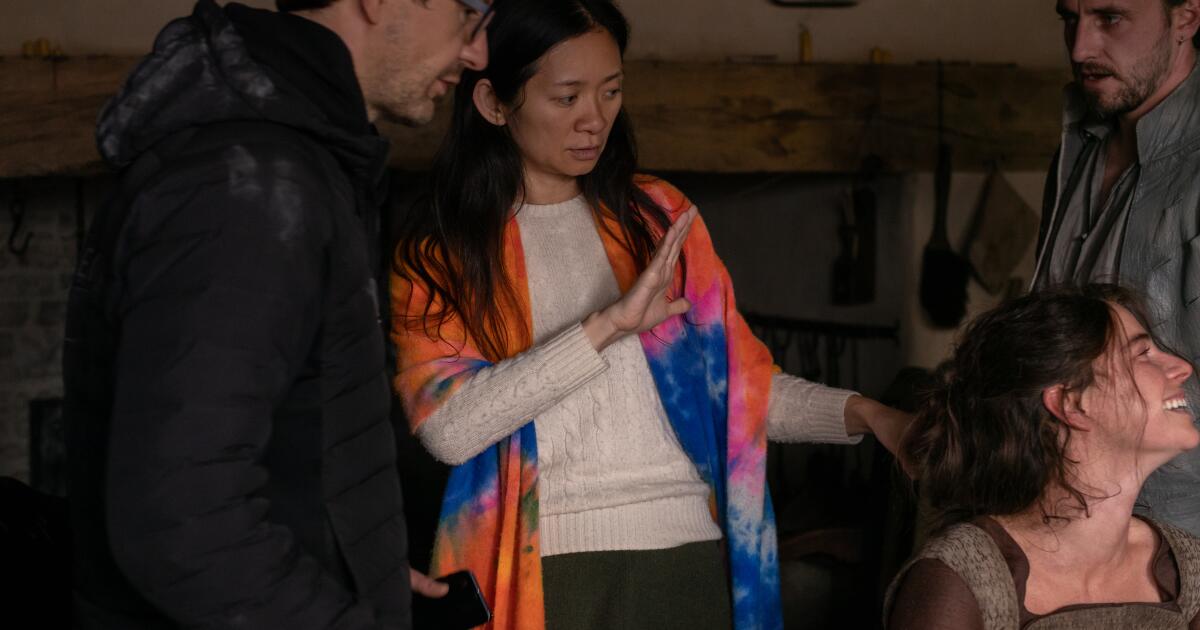
The representation of women in directorial roles in the top 250 films saw a decline last year, with only 13% of directors being women. This marks a decrease from the 16% in 2024, according to a study by San Diego State University. Despite some exceptions like films directed by Chloé Zhao, Nisha Ganatra, and Jennifer Kaytin Robinson, the overall trend is concerning. The study, conducted by the Center for the Study of Women in Television and Film, has been tracking the employment of women in key decision-making positions in the film industry for nearly 30 years.
The report revealed that women made up 23% of directors, writers, producers, executive producers, editors, and directors of photography in the top-grossing films of 2025. This percentage has remained consistent over the years, showing little progress in gender equality in the industry. Women were most represented in producer roles at 28%, while only 7% of cinematographers were women. The study also highlighted the lack of progress in the representation of women in screenwriting and editing roles.
Despite efforts to address gender disparities in Hollywood, the numbers have remained stagnant for more than a quarter of a century. The study's findings indicate a lack of significant improvement in the representation of women in behind-the-scenes roles in the film industry. The report underscores the need for greater diversity and inclusion in decision-making positions to create a more equitable and inclusive industry.
The current landscape of the film industry presents challenges for women seeking to advance their careers in key roles. The impact of corporate consolidation, political shifts, and the ongoing pushback against diversity and inclusion initiatives has created uncertainty for women in the industry. As Hollywood grapples with these challenges, the future of gender representation in film remains uncertain. Despite the persistent efforts to address gender disparities, the industry continues to face barriers to achieving true gender equality in behind-the-scenes roles.
In conclusion, the study's findings highlight the ongoing struggle for gender equality in the film industry, particularly in key decision-making positions. The lack of progress in the representation of women in directorial, writing, and cinematography roles underscores the need for continued efforts to promote diversity and inclusion in the industry. As Hollywood navigates a changing landscape, addressing gender disparities and creating opportunities for women in behind-the-scenes roles remains a critical priority for the industry's future.