Marjorie Taylor Greene's Political Evolution: From Trolling to Redemption
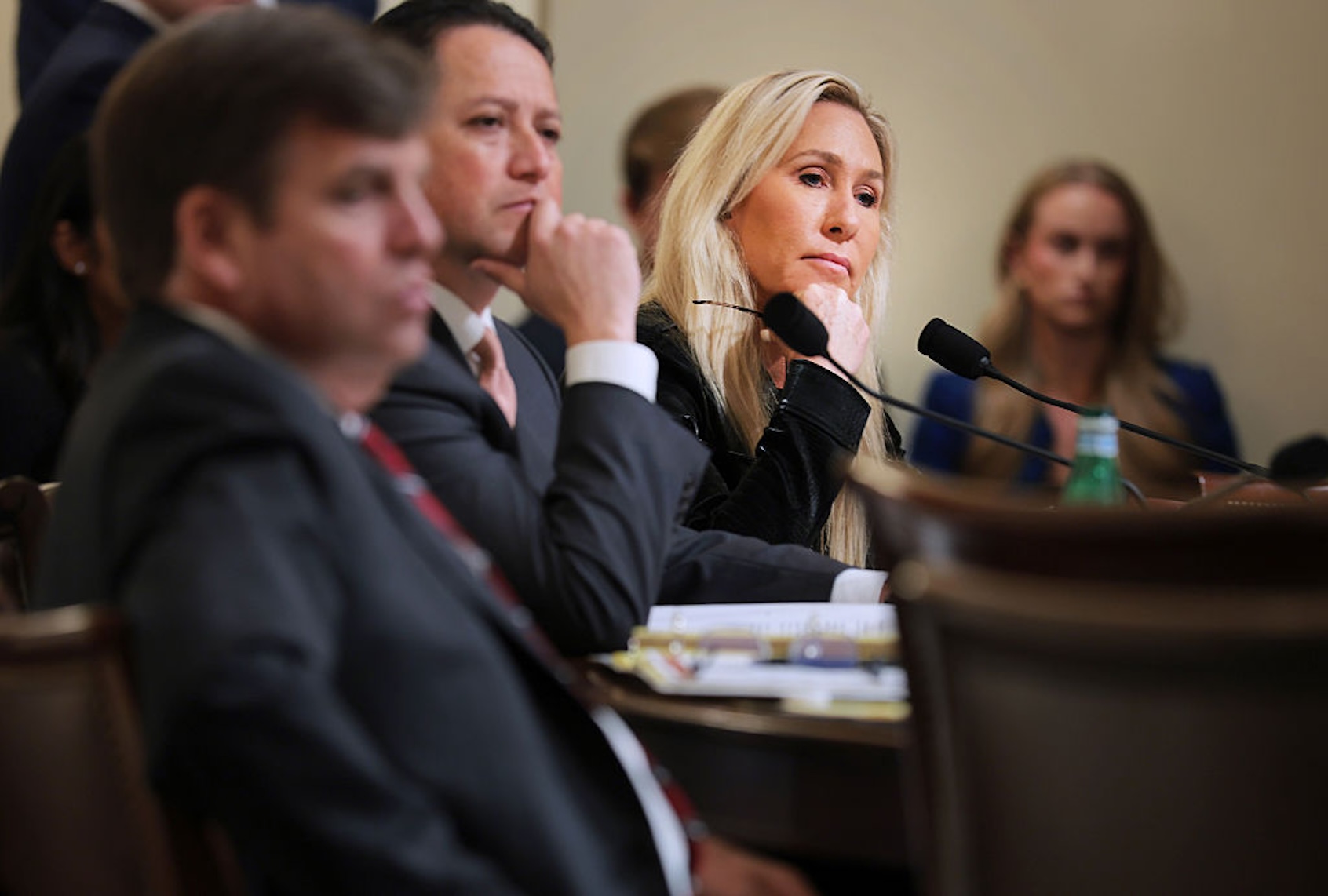
Marjorie Taylor Greene, a prominent Georgia GOP congresswoman, recently announced her retirement from politics, claiming she is leaving the political arena for good to marry her fiancé Brian Glenn. Despite her fundamentalist views on women, Greene has been on a media tour expressing contrition for her past behavior, including trolling and promoting conspiracy theories. Her actions suggest a possible return to politics, possibly running for president in 2028, as she aims to appeal to voters tired of divisive rhetoric.
The current state of the MAGA movement reflects a shift towards more extreme and inflammatory rhetoric to garner attention. Influencers on the right are resorting to vile language, denial of historical events, and conspiracy theories to provoke reactions. This escalation, while still attracting attention, risks alienating a significant portion of voters that the GOP needs to maintain support. The party is facing potential losses in the upcoming midterm elections, signaling a shift away from the Trump-era tactics.
As the GOP navigates this changing landscape, there is a debate about the future direction of the party. Some believe that a more open, friendly, and morally assertive approach is needed to appeal to a broader audience. Democrats like New York City Mayor Zohran Mamdani and Texas Senate hopeful James Talarico are seen as exemplifying this shift. Marjorie Taylor Greene, while maintaining her conservative policy views, is attempting to present a more humble and Christian image to win over voters disillusioned by harsh rhetoric.
The shift away from trolling and towards a more compassionate conservatism is met with skepticism by some observers. While there may be a growing distaste for the cruelty of the MAGA movement, it remains unclear if voters are ready to embrace a return to a more traditional conservative approach. The GOP's reliance on trolling as a response to ideological challenges may indicate a deeper issue of inability to defend their policies on merit. As the public mood shifts, the future of the Republican Party and its messaging strategy remains uncertain.