Unveiling the Story Behind R.E.M.'s 'Man On The Moon': From Seattle Stroll to Iconic Anthem
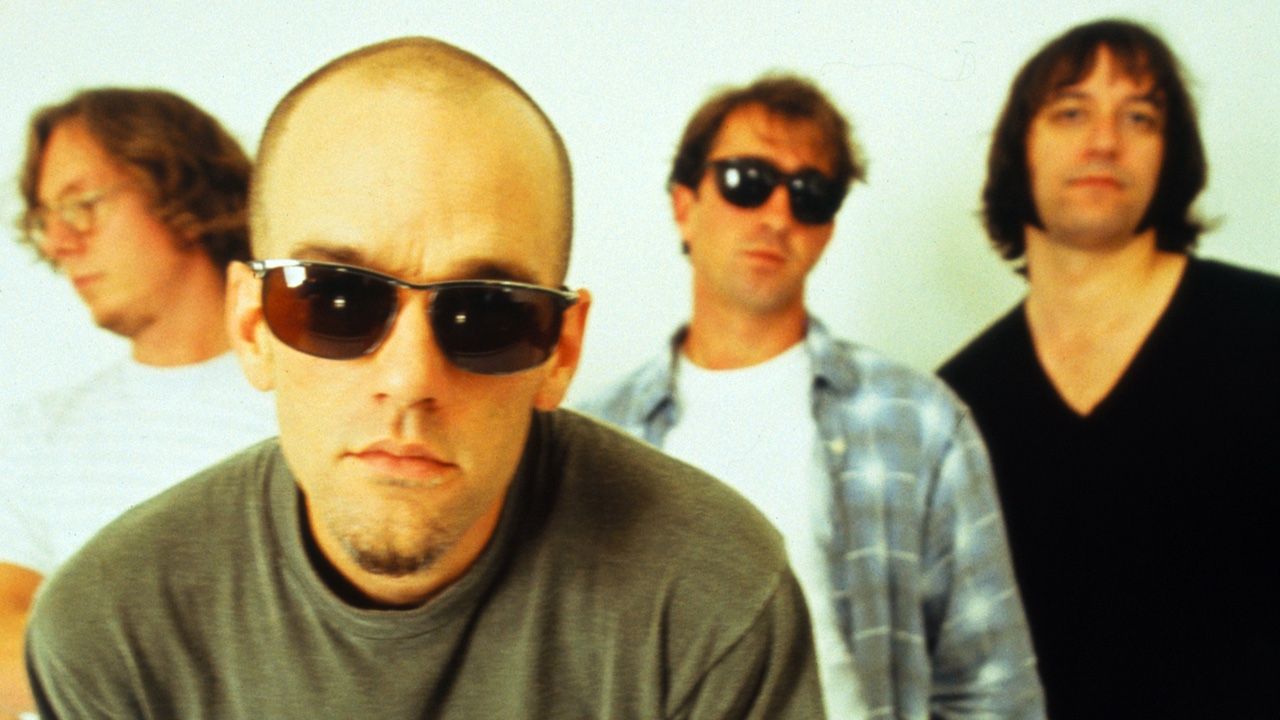
R.E.M.'s 1992 album "Automatic For The People" is filled with potential hit songs, showcasing the band's talent for crafting memorable melodies. While tracks like "Drive," "Everybody Hurts," and "Nightswimming" were already shaping up to be classics, one song almost didn't make the cut. "Man On The Moon," a standout track from the album, initially lacked vocals until frontman Michael Stipe took a walk around Seattle and found inspiration for the lyrics.
The band was in the final stages of mixing the album when Stipe was struggling to come up with vocal ideas for "Man On The Moon." Despite his initial reluctance to add vocals, his bandmates convinced him that the song needed a story to be told. Stipe eventually took a walk around Seattle, where he found the inspiration he needed to write the lyrics for the song.
Stipe's stroll through Seattle sparked memories of cultural icons from the 1970s, including Mott The Hoople and Andy Kaufman, who influenced the song's themes of conspiracy theories and faked moon landings. The lyrics of "Man On The Moon" reflect Stipe's fascination with these cultural figures and the rumors surrounding their lives.
Additionally, Stipe's friendly rivalry with Nirvana's Kurt Cobain influenced the vocal delivery of "Man On The Moon," with Stipe incorporating multiple "yeahs" in the song as a challenge to Cobain. The song's release as a single in 1992 solidified its place as one of R.E.M.'s biggest hits, inspiring a biopic about Andy Kaufman and a sequel song titled "The Great Beyond."
"Man On The Moon," a song that almost didn't make it onto the album, became a defining anthem for R.E.M. and a testament to Stipe's ability to find inspiration in unexpected places. Its legacy continues to resonate with fans and remains a key part of the band's musical history.