The Decline of Hollywood: Rob Schneider's Perspective on Conservative Blacklisting
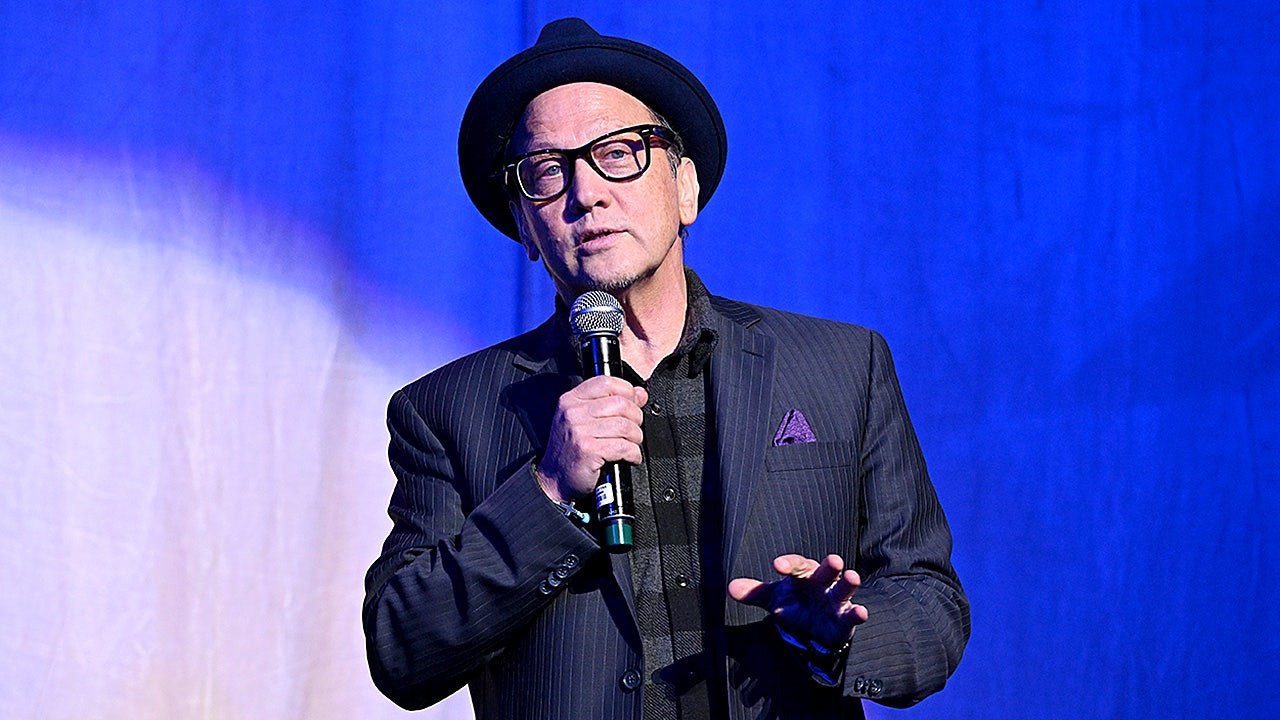
Rob Schneider, a well-known actor, has expressed his concerns about the state of Hollywood, which he believes is deteriorating due to the "blacklisting" of conservative celebrities. Schneider, famous for his roles in "Saturday Night Live" and movies like "Deuce Bigalow: Male Gigolo," shared that his acting opportunities diminished when he openly discussed his right-leaning political views.
In a recent interview, Schneider highlighted the challenges he faced in the industry after voicing his political beliefs. He emphasized the importance of truth-telling in a time of authoritarianism and lies, acknowledging the impact it had on his career. Despite the setbacks, he recognized the need for courage in standing up for one's beliefs, even if it comes with consequences.
Schneider pointed out that the entertainment industry tends to avoid controversy and prefers artists to steer clear of contentious issues. However, he stressed the importance of individuals being courageous in upholding free speech and societal values. He cited examples of actors like Charlton Heston, who faced rejection for their conservative views, highlighting what he perceives as a decline in Hollywood's integrity.
Looking ahead, Schneider predicted a significant shift in the entertainment landscape, with social media platforms becoming more popular than traditional Hollywood productions. He foresees a decline in the influence of major film studios in Los Angeles, suggesting that Hollywood is on the brink of self-destruction due to its treatment of conservative voices. As audiences seek alternative sources of entertainment, Schneider believes Hollywood is facing an impending implosion.
In conclusion, Rob Schneider's outspoken stance on the challenges faced by conservative celebrities in Hollywood sheds light on the industry's internal struggles and the need for greater diversity of viewpoints. His observations point to a changing entertainment landscape where traditional norms are being challenged, paving the way for new forms of content consumption and expression.