Remembering MTV's Music Video Era: A Tribute to David Bowie and the Legacy of Visual Storytelling
MTV, a pioneer in music television, has bid farewell to its music-focused channels, marking the end of an era. While the main channel will continue to air reality shows and reruns, the dedicated music channels like MTV Music, MTV 80s, and MTV 90s have ceased broadcasting globally as of December 31, 2025. This shift reflects the industry's move towards digital platforms like YouTube and TikTok for music consumption. The loss of MTV's music videos, which played a crucial role in shaping pop culture and launching artists to global fame, is mourned by many.
Music videos were once considered on par with cinema and television, with directors pouring heart and soul into creating visual masterpieces that accompanied songs. Iconic videos like Michael Jackson's "Thriller" and Madonna's "Vogue" were more than just visuals; they were short films, fashion statements, and political statements that sparked conversations and propelled artists to stardom. MTV, which launched in 1981, revolutionized the music industry by broadcasting music videos 24/7, allowing artists to reach audiences worldwide and establish their visual identities.
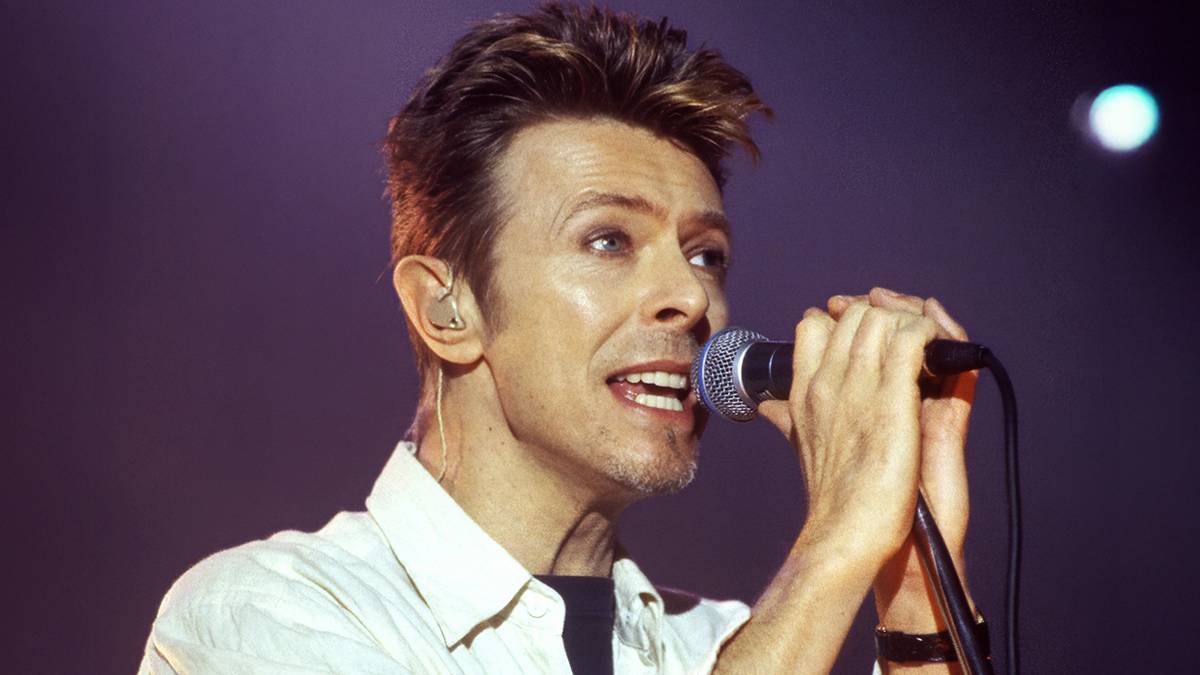
David Bowie, the English singer, songwriter, and actor, thrived in MTV's era of pushing boundaries and experimenting with fashion and performance. Bowie's various personas, from Ziggy Stardust to the Thin White Duke, were brought to life cinematically through music videos like "Ashes to Ashes" and "Let's Dance." His exploration of gender, queerness, and androgyny challenged societal norms and expanded the conversation around authenticity and identity.
Bowie's influence extended beyond his music and visuals; he used his platform to call out MTV for its lack of featuring Black artists in a 1983 interview. This prompted the network to address its racial bias and include more diverse artists, paving the way for icons like Michael Jackson and Prince to shine. Bowie's boldness in challenging norms and advocating for inclusivity left a lasting impact on MTV and the music industry as a whole.
As MTV's music channels come to an end, we bid farewell to an era that celebrated artists who embraced reinvention and storytelling through visual mediums. Bowie's legacy as a boundary-pushing artist who used his platform for social change will continue to inspire future generations of musicians and creators.