Navigating the New Childhood Vaccine Recommendations: Implications and Considerations
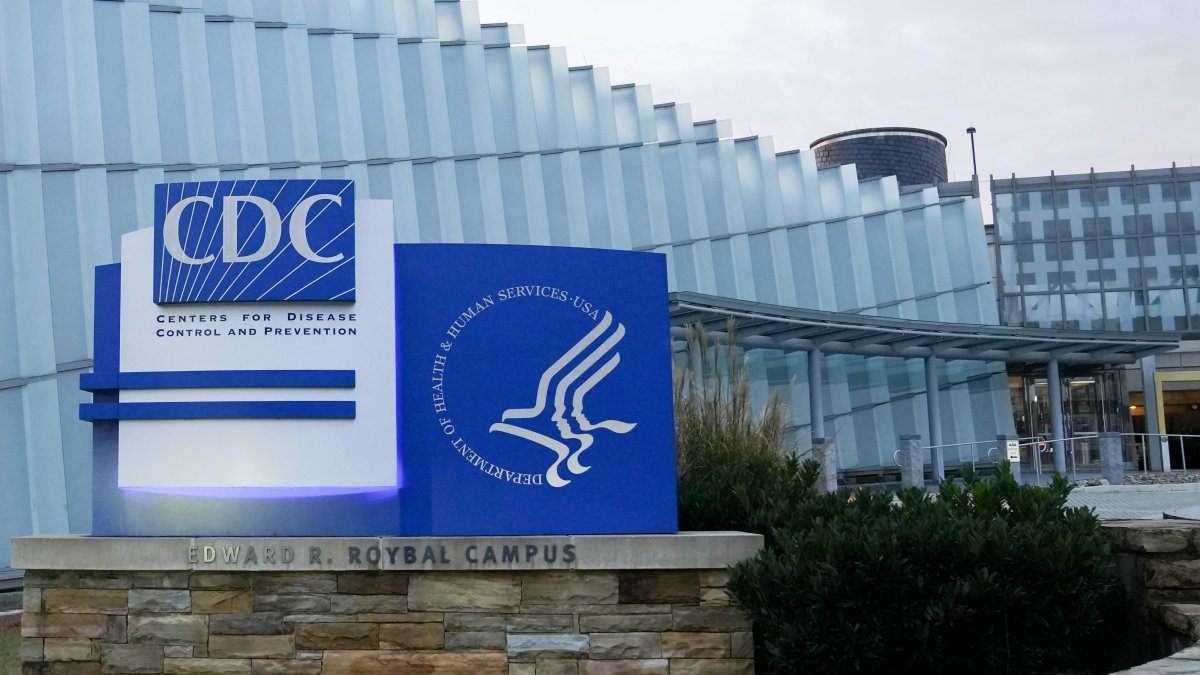
The recent changes in childhood vaccine recommendations by U.S. health officials have sparked concerns among medical experts and pediatricians. The updated guidelines now recommend vaccination against 11 diseases, down from 18 previously, in an effort to address slipping vaccination rates and rising disease cases. The changes include a shift towards individualized recommendations and shared decision-making for certain children at high risk.
The revised recommendations now exclude some vaccines that were previously broadly recommended, such as flu, hepatitis A, hepatitis B, meningococcal disease, rotavirus, RSV, and COVID-19. However, vaccines like MMR, DTaP, polio, chickenpox, HPV, Hib, and PCV remain on the list for all children. Notably, the number of recommended doses for the HPV vaccine has been reduced from two or three shots to just one.
The U.S. Department of Health and Human Services initiated the overhaul following a request from President Donald Trump to align vaccine recommendations with those of peer nations. While the changes aim to streamline vaccination recommendations and increase public trust, some medical groups, including the American Medical Association and the American Academy of Pediatrics, continue to support the vaccines that have been demoted.
The conflicting recommendations from federal agencies and medical organizations may lead to confusion among parents and healthcare providers. If fewer children are vaccinated as a result of the changes, there is a risk of increased disease outbreaks and associated health consequences. Despite the alterations in vaccine recommendations, health insurers are expected to continue covering the recommended vaccines to ensure access for families who choose to vaccinate their children.
In conclusion, the updated childhood vaccine recommendations in the U.S. have raised concerns among medical experts and pediatricians. The shift towards individualized recommendations and the exclusion of certain vaccines previously recommended for all children may impact vaccination rates and disease prevention efforts. It is essential for healthcare providers and parents to stay informed and work together to make informed decisions about childhood vaccinations.