Painkiller: Judas Priest's Journey to Heavy Metal Greatness
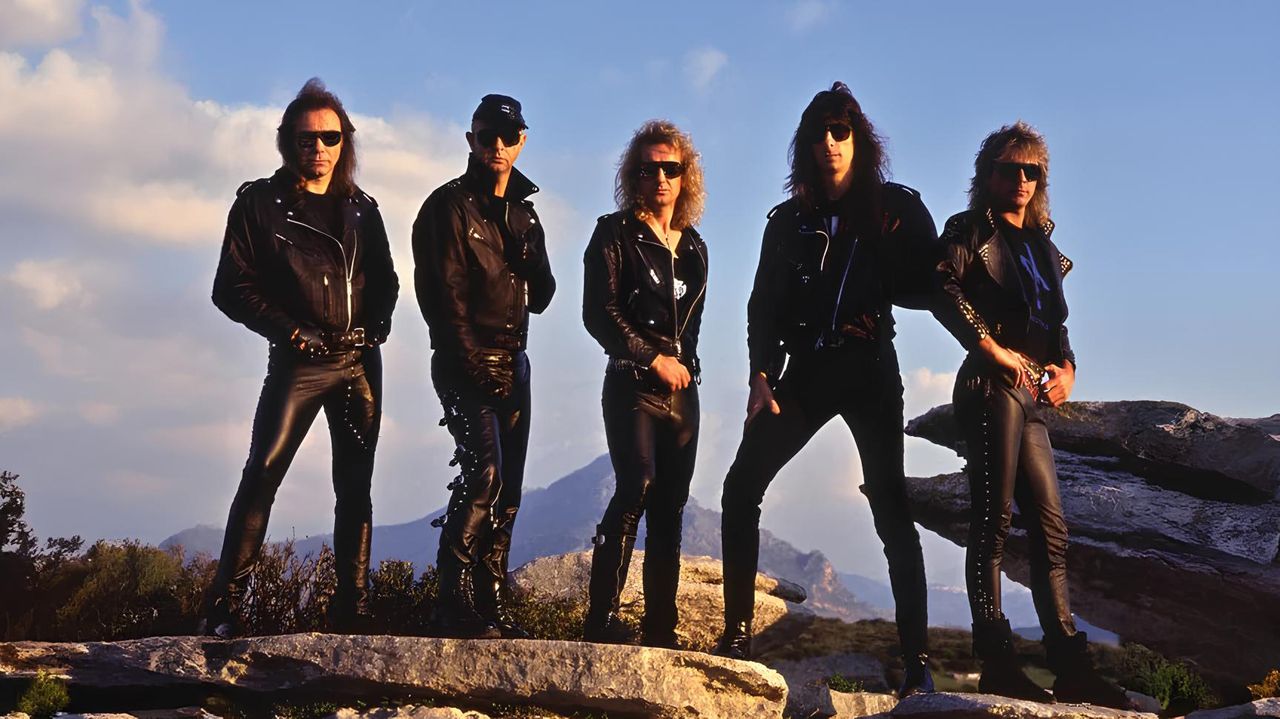
Judas Priest took a break in Spain to prepare for the release of their highly anticipated album, Painkiller. The band spent time recording and mixing in Europe, focusing on their new drummer, Scott Travis, and planning their live show. The album was completed, but its release was delayed due to a court case in the US accusing the band of hiding subliminal messages in their music.
During an interview in Marbella, the band members discussed the new album and their creative process. Painkiller was described as a powerful heavy metal album that stayed true to their traditional sound. The band aimed to deliver what their fans wanted and create the ultimate Priest album. Despite the delay, they were excited about the upcoming tour and the opportunity to showcase their new music.
The band addressed the court case accusing them of influencing two young men to commit suicide through subliminal messages in their music. They expressed frustration with the accusations and emphasized that censorship has no place in art. The band members were preparing to defend themselves in court and were determined to continue creating music without being influenced by external pressures.
Judas Priest introduced American drummer Scott Travis to the band, replacing Dave Holland. The decision to bring in an American drummer was based on finding the right fit for the band's sound and dynamics. Travis, a longtime fan of the band, brought a powerful energy to their music and seamlessly integrated into the group.
The band's co-production of Painkiller with Chris Tsangarides resulted in a no-frills album that captured their traditional British heavy metal sound. The title "Painkiller" reflected the band's belief that their music provided pleasure, release, and therapy for their fans. Despite past experiments with visual styles, the band was proud of their heritage and focused on delivering authentic British heavy metal music.
As they prepared for their upcoming tour, the band members expressed excitement and anticipation for returning to the stage after a two-year break. They were eager to connect with their fans and deliver a memorable live performance. Despite the challenges they faced, Judas Priest remained committed to their music and their fans, ready to continue their legacy in the world of heavy metal.