Bob Dylan's 'Ballad in Plain D': A Candid Reflection on Personal Boundaries and Artistic Expression
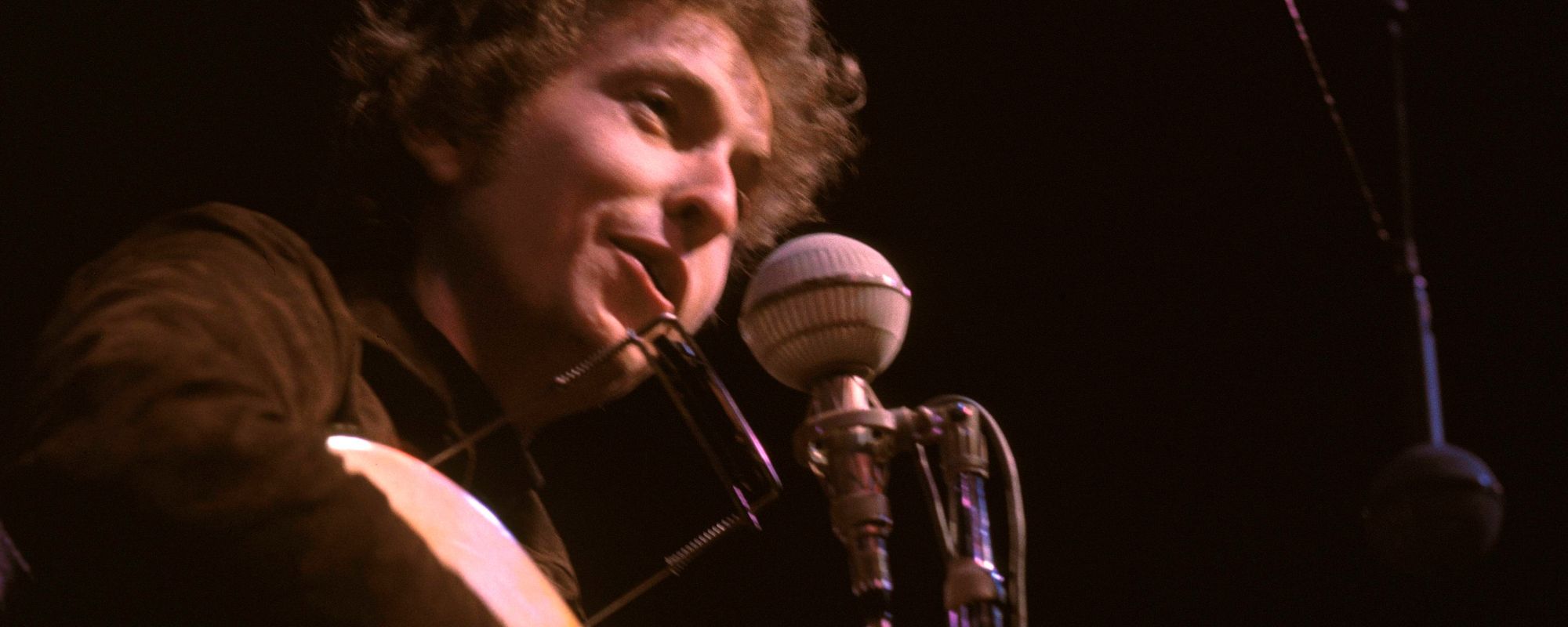
Bob Dylan is known for his profound and diverse songwriting, covering topics ranging from global issues to personal experiences. His music has been influential in various social movements, such as his protest songs in the 1960s. Despite his extensive discography, Dylan often maintains a level of ambiguity in his lyrics, using metaphors and storytelling to keep listeners at a distance.
However, there is one exception to this pattern. In his 1964 track "Ballad in Plain D," featured on the album "Another Side of Bob Dylan," Dylan opens up about the tumultuous end of his relationship with Suze Rotolo. The song delves into a heated argument Dylan had with Rotolo's sister during their breakup, revealing a more personal and vulnerable side of the artist.
Initially perceived as a self-indulgent portrayal of a lover's quarrel, "Ballad in Plain D" later became a source of regret for Dylan. Reflecting on the song, he admitted to feeling remorse for exposing such intimate details of his past relationship. Dylan acknowledged that he may have crossed a line by delving into the painful aspects of his breakup with Rotolo in such a public manner.
Comparing "Ballad in Plain D" to his later album "Blood on the Tracks," which also drew inspiration from personal struggles, Dylan noted a shift in his approach to songwriting. While he chose to explore his failing marriage in a more nuanced way in "Blood on the Tracks," he regretted the more direct and potentially hurtful nature of "Ballad in Plain D."
Despite his regrets, Suze Rotolo, the subject of Dylan's song, expressed understanding and acceptance of his artistic process. She viewed Dylan's music as a reflection of his emotions and experiences, recognizing that his songs were a way for him to process and express his feelings. Rotolo saw Dylan's songs, both loving and cynical, as integral to his creative vision and personal journey.
In conclusion, Bob Dylan's candid and regretful reflection on "Ballad in Plain D" sheds light on the complexities of art, personal relationships, and self-expression. The song serves as a poignant reminder of the fine line between artistic expression and personal boundaries, highlighting the enduring impact of Dylan's music on his own life and those around him.