Fantasy Cinema of the 1970s: From Escapism to Dark Realms
The 1970s were a remarkable era for cinema, as Hollywood embraced a new wave of filmmakers who created movies that reflected the realities of the world. These films were often gritty, intimate, and true to life, in stark contrast to the romanticized visions of the classic studio system. Despite the prevalence of realism, there was still room for fantasy in the decade's cinema.
Some of the best fantasy films of the 1970s offered escapism for families seeking a break from more mature content. These movies explored dark themes using fantasy elements and blurred the lines between imagination and reality. Whether you prefer light-hearted family adventures or darker, more introspective tales, the '70s had a fantasy movie for every taste.
One such film is "Pete's Dragon," released in 1977 by Walt Disney Studios. The story follows orphan Pete and his invisible dragon friend, Elliott, as they find refuge with a lighthouse keeper and his daughter. The film combines live-action and animation, reminiscent of Disney's earlier classic, "Mary Poppins," and earned critical acclaim for its score and original song.
Another notable fantasy film from the '70s is "Jabberwocky," Terry Gilliam's directorial debut released in 1977. The movie follows a young man named Dennis who faces a terrifying monster in a medieval city. Gilliam's imaginative storytelling and dark humor set the tone for his future works, creating a world that is both wondrous and ominous.
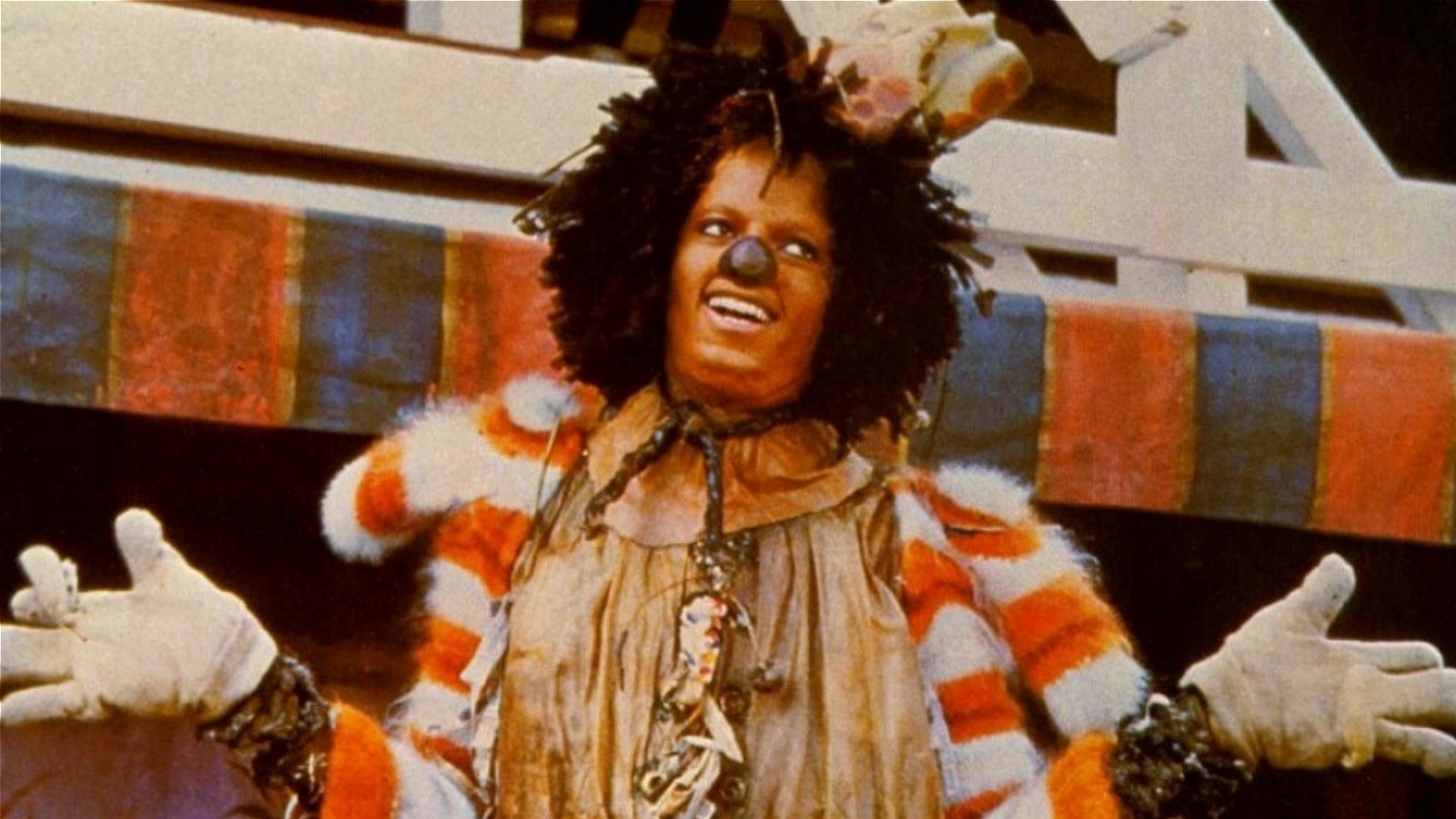
In 1978, Sidney Lumet directed "The Wiz," a reimagining of "The Wizard of Oz" with an all-Black cast. The film follows Dorothy's journey through the magical land of Oz, featuring iconic performances by Diana Ross, Michael Jackson, and Richard Pryor. Despite mixed reviews upon its release, "The Wiz" has since become a beloved cult classic known for its vibrant visuals and musical numbers.
"Bedknobs and Broomsticks," released in 1971, follows a witch-in-training and three young orphans on a magical adventure during World War II. The film, reminiscent of Disney's "Mary Poppins," blends live-action and animation seamlessly, earning accolades for its special effects and enchanting performances.
"Black Moon," directed by Louis Malle in 1975, offers a surreal and thought-provoking take on fantasy. The film follows a young woman named Lily who encounters bizarre occurrences in a mysterious château, blurring the lines between reality and fantasy. "Black Moon" is a haunting and evocative experience that challenges viewers' perceptions of the world.
"Freaky Friday," released in 1976, tells the story of a mother and daughter who switch bodies for a day, gaining a newfound appreciation for each other's lives. The film, featuring standout performances by Jodie Foster and Barbara Harris, explores themes of empathy and understanding in a magical and heartwarming way.
"Wizards," directed by Ralph Bakshi in 1977, takes place in a post-apocalyptic world where mythical creatures battle for control. The film blends fantasy elements with social commentary, showcasing Bakshi's unique animation style and subversive storytelling.
Finally, "Willy Wonka and the Chocolate Factory," released in 1971, brings Roald Dahl's beloved story to life with a whimsical and musical adaptation. Gene Wilder's iconic performance as Willy Wonka captivates audiences, creating a magical and slightly cynical world that has stood the test of time.
In conclusion, the 1970s were a diverse and innovative period for fantasy cinema, offering a range of films that continue to captivate audiences with their imaginative storytelling and timeless themes. Whether exploring dark and introspective narratives or providing light-hearted escapism, these movies from the '70s have left a lasting impact on the genre.