Unveiling the Enigmatic World of Dark City: A Visual and Narrative Masterpiece
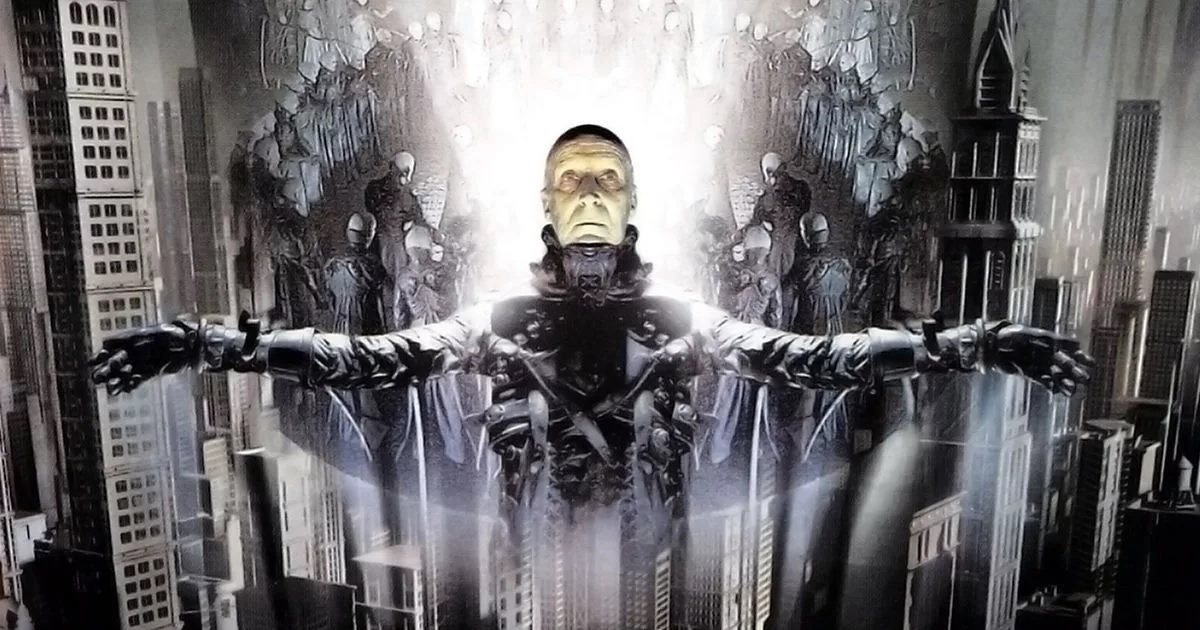
Dark City, a science fiction film directed by Alex Proyas, often overshadowed by The Matrix, deserves recognition for its innovative visual style and production design. The Wachowski siblings were so impressed by Dark City that they incorporated props and set elements into The Matrix. Proyas aimed to create a disorienting blend of neo-noir, science fiction, and horror, reminiscent of a classic Twilight Zone episode.
Initially, New Line Cinema found Dark City too complex and added a voice-over narration to simplify the story for audiences. Proyas later released a director's cut in 2008, removing the narration and challenging viewers to engage with the narrative independently. The film's journey into the architectural substructure beneath Dark City reveals the intriguing history of this overlooked gem.
Alex Proyas began crafting the script for Dark City in 1990, drawing inspiration from film noir, Gothic horror, and steampunk science fiction. The story initially focused on a detective unraveling a crime case but shifted to an amnesiac murder suspect named John Murdoch. Collaborating with writers David S. Goyer and Lem Dobbs, Proyas refined the script, infusing it with FX-driven action sequences and the city's mysterious nocturnal operations.
The casting process saw Rufus Sewell chosen as John Murdoch to maintain an air of mystery around the character. Richard O'Brien was selected to play Mr. Hand, inspired by his ethereal performance in The Rocky Horror Picture Show. The character of Dr. Daniel P. Schreber drew from real-life influences, with William Hurt portraying Detective Frank Bumstead and Kiefer Sutherland taking on a key role.
Production designer Patrick Tatopoulos envisioned a city in constant flux, constructed from various architectural fragments to disorient viewers. The Strangers' design evolved from bug-like creatures to pale, corpse-like entities inhabiting human shells. Filmed in New South Wales, Australia, Dark City's sets were built on soundstages to create a grounded yet uncanny environment.
Despite initial delays and studio concerns, Dark City was released in 1998 to critical acclaim but modest box office success. The film's impact on modern sci-fi is evident, with influences seen in The Matrix and Inception. The 2008 director's cut restored Proyas' original vision, solidifying Dark City as a visually and thematically daring sci-fi classic of the 1990s.