America's Aggressive Foreign Policy: A Shift Towards Military Dominance
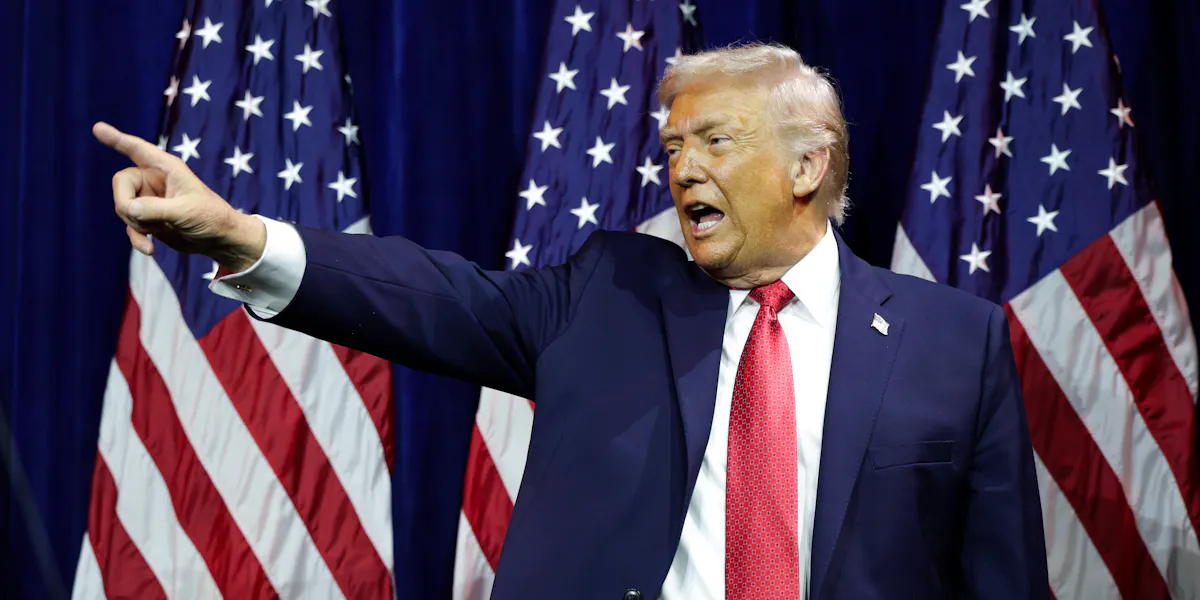
In the past few days, the U.S. has been involved in controversial actions, including the alleged kidnapping of Venezuelan President Nicolás Maduro and threats towards several countries like Cuba, Colombia, Mexico, and Greenland. The focus seems to be on Greenland, a resource-rich Danish territory, which the U.S. administration has expressed interest in acquiring. This aggressive stance could potentially dissolve the NATO alliance and strain relationships with European allies.
The administration's aggressive foreign policy approach indicates a shift towards prioritizing American interests in the Western hemisphere while pulling back from Europe and NATO. The emphasis on great power politics involving the U.S., China, and Russia is evident. However, the aggressive behavior itself appears to be a goal rather than a means to an end, as seen in the administration's willingness to resort to military action to achieve its objectives.
President Trump's readiness to engage in bold military actions reflects his belief in using short, destructive bursts of power to achieve strategic goals. This approach, coupled with his isolationist "America First" agenda, suggests a preference for unilateral actions that showcase American military might. The administration's reliance on military force as a tool for intimidation and coercion raises concerns about the lack of long-term planning and potential consequences.
The lack of a clear strategy in Venezuela following Maduro's removal highlights the administration's reliance on threats and coercion without a comprehensive plan for the aftermath. Trump's perception of military interventions as effective tools in foreign policy underscores a dangerous trend towards using violence as a means of asserting dominance. As Trump's domestic challenges mount, military adventurism may become more appealing as a distraction and a display of strength.
Trump's fascination with military operations as a form of entertainment and power projection is evident in his enthusiastic response to the Venezuelan raid. The president's focus on the spectacle and excitement of military actions raises questions about the underlying motivations behind such interventions. The emphasis on showcasing strength and dominance through military force suggests a troubling trend towards using violence as a means of asserting authority on the global stage.
In conclusion, the recent actions and threats made by the U.S. administration reflect a concerning trend towards using military force as a tool for achieving strategic objectives. The lack of a coherent foreign policy strategy and the emphasis on aggressive actions for their own sake raise questions about the long-term implications of such behavior. Trump's apparent enjoyment of military interventions as a form of entertainment underscores the need for a more thoughtful and responsible approach to international relations.