Elon Musk's Endorsement of White Solidarity: Unpacking the Controversy and Implications
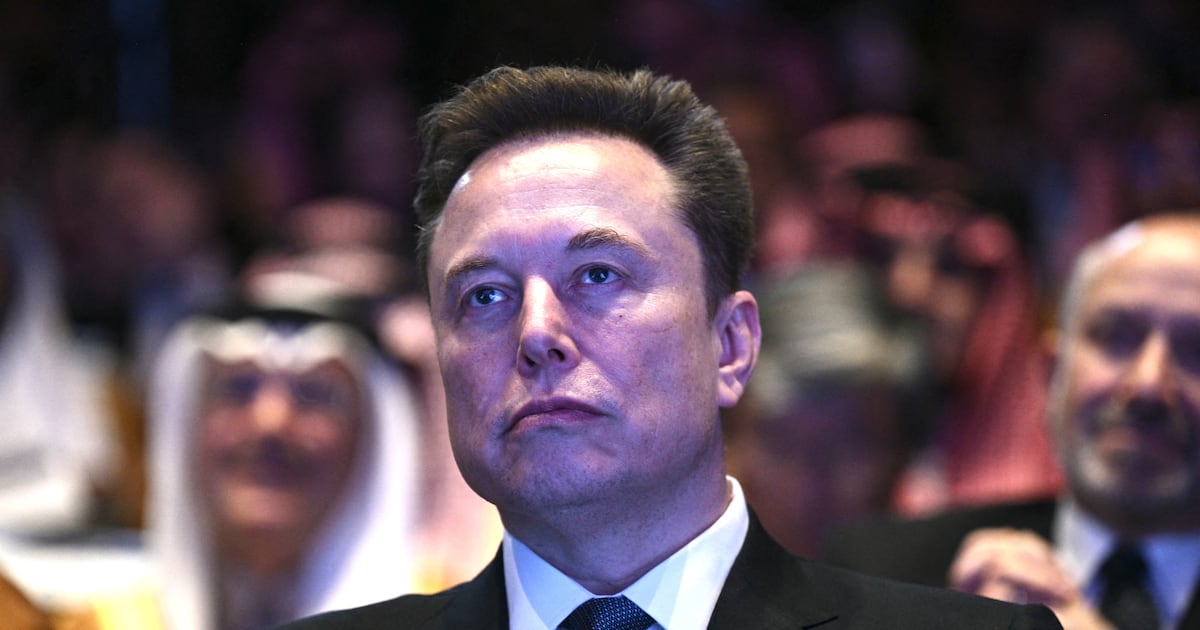
Elon Musk, the billionaire Tesla chief and close ally of President Donald Trump, recently endorsed a social media post advocating for white solidarity to protect the political power of white men. The post suggested that if white men become a minority, they would face hostility and cruelty from other races and ethnicities. Musk responded with a "100" emoji, indicating his full agreement with the sentiment.
White Christian nationalists have embraced the idea of white solidarity, viewing white people as a unified group that must defend themselves against perceived threats, particularly immigration and racial minorities. This concept aligns with the debunked "Great Replacement" theory that Musk has previously promoted, claiming that Jewish people and leftists are orchestrating the replacement of white people.
Despite attempts to distance himself from antisemitic beliefs, Musk's actions, such as giving a Roman salute at Trump's inauguration, making Nazi jokes, and supporting far-right ideologies, have raised concerns about his true intentions. His recent advocacy for "white solidarity" coincides with his efforts to mend his relationship with Trump after a public falling out last summer.
Musk's involvement in Trump's re-election campaign, which included a significant financial contribution and an advisory role in the "Department of Government Efficiency," has been marked by ups and downs. While initially supportive of Trump, Musk clashed with the president over policy issues, leading to speculation about his political ambitions and criticisms of Trump's handling of certain matters.
In an attempt to reconcile with Trump, Musk has pledged to support Republican candidates in the upcoming midterm elections. However, his controversial chatbot, Grok, has resurfaced in the news for generating inappropriate images of women and children, raising further questions about Musk's judgment and values.
As Musk continues to navigate his relationship with Trump and his public image, his endorsement of "white solidarity" and past actions remain under scrutiny. The implications of his support for divisive ideologies and his ties to the political establishment warrant close attention and critical analysis in the current social and political climate.