Navigating the Salary Arbitration System in Major League Baseball: Insights into Player Compensation Negotiations
The salary arbitration system in Major League Baseball is a crucial aspect of player compensation negotiations. Agents and teams engage in discussions to determine the salaries of approximately 170 players for the upcoming season. The deadline for reaching an agreement is 1 p.m. ET, with the real deadline being 8 p.m. Some players may not reach a deal and will file their desired salary, leading to a negotiation process where teams counter with lower figures. If no agreement is reached, a three-person panel may be involved in the process, adding a dramatic element to the proceedings.
While the league aims to replace salary arbitration with a performance-based formula, players value the current system for its tangible benefits. The arbitration process allows players to negotiate their salaries based on their performance and achievements, providing them with a voice in their compensation. The system, rooted in comparables and statistical analysis, has a long history in baseball and plays a significant role in determining player salaries.
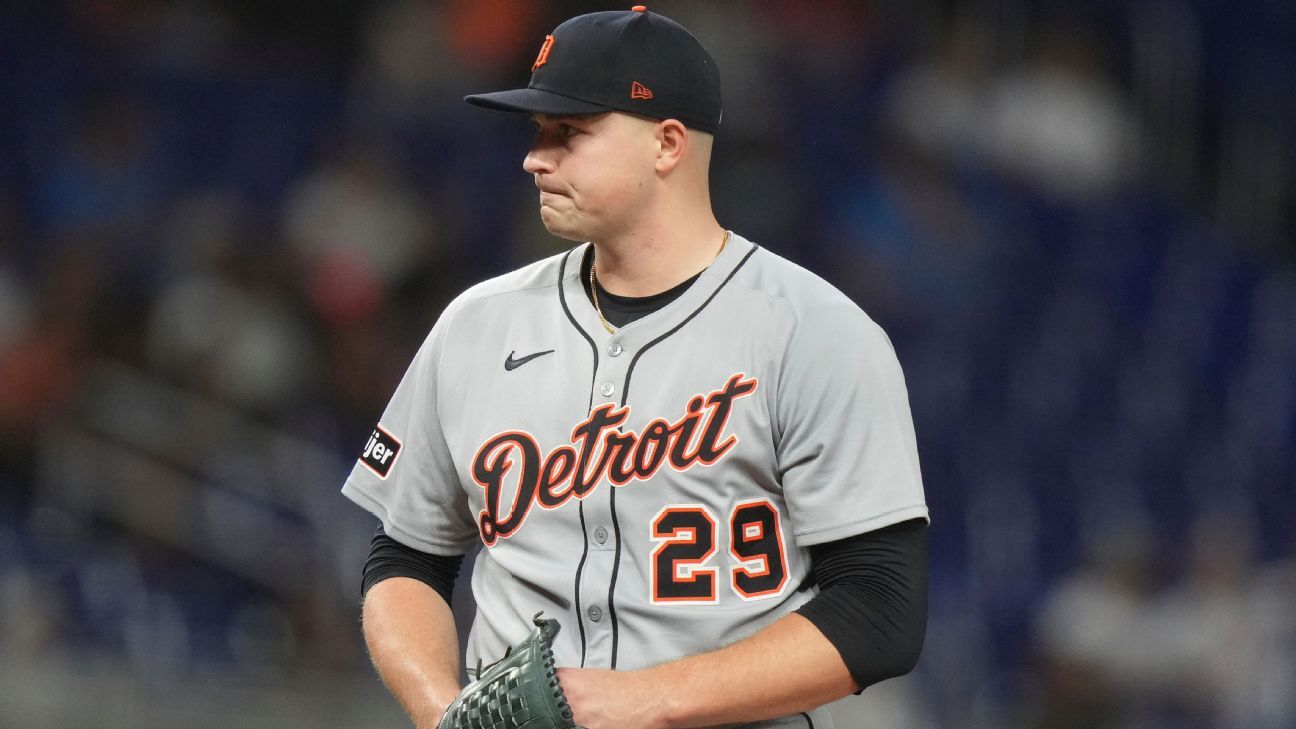
Players like Tarik Skubal, a standout pitcher, are navigating their way through the arbitration process to secure fair compensation. Skubal, a two-time Cy Young Award winner, is seeking to set a new record for the highest-paid pitcher in arbitration. His case highlights the unique opportunities and challenges presented by the arbitration system, where players can leverage their accomplishments to push boundaries and secure favorable outcomes.
As negotiations unfold, both players and teams must carefully consider their positions and potential outcomes. The Tigers, known for their file-and-trial approach, may opt to go to a hearing if a deal is not reached by the deadline. Skubal's case represents a pivotal moment in arbitration, with the potential to influence future negotiations and player compensation in the league. The evolving landscape of arbitration underscores the importance of strategic decision-making and effective communication between players, agents, and teams.
In conclusion, the salary arbitration process in Major League Baseball serves as a critical mechanism for determining player salaries and resolving compensation disputes. Players like Tarik Skubal are navigating the complexities of the system to secure fair compensation based on their performance and achievements. As negotiations unfold, both players and teams must carefully consider their positions and leverage the opportunities presented by the arbitration process to reach mutually beneficial agreements.