Senate Republicans Face Test of Unity on War Powers Resolution for Venezuela
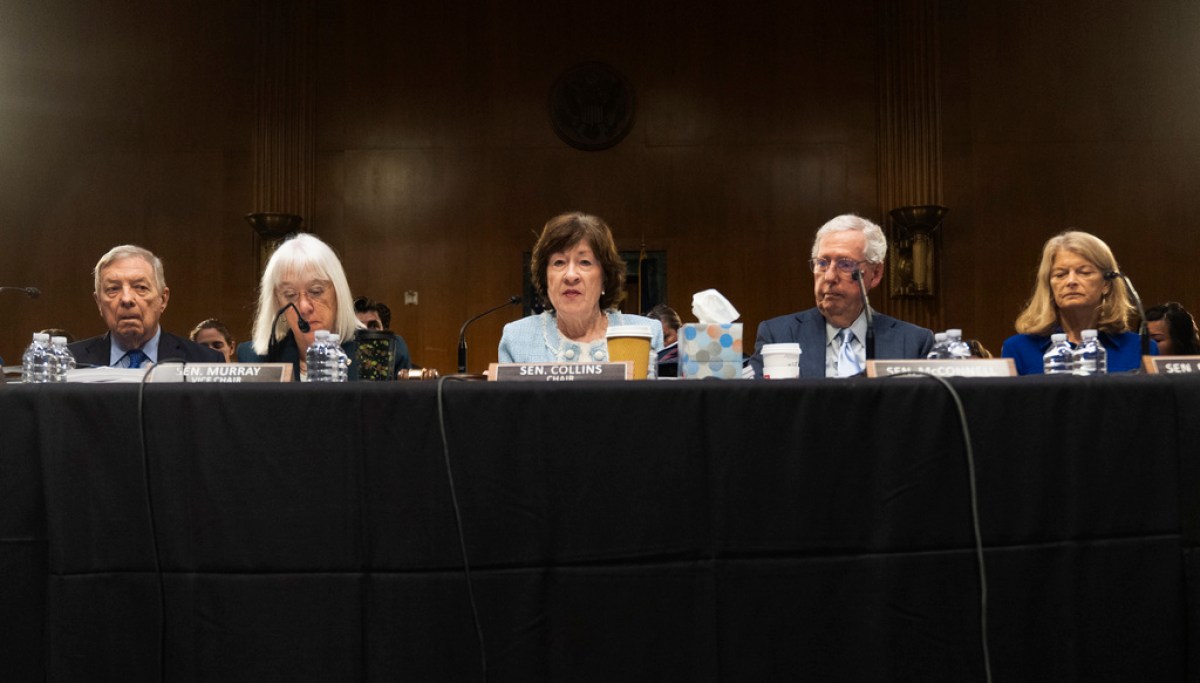
Republicans in the Senate are facing a crucial test of unity as they prepare to vote on a War Powers Resolution that would limit President Trump's ability to use military force in Venezuela without congressional approval. The vote is expected to receive some bipartisan support, but it remains uncertain if there will be enough Republican votes to pass the resolution in the GOP-led House. Despite some senators being undecided, the majority of the party is aligned with Trump's foreign policy goals and is likely to oppose the resolution.
Senators like Thom Tillis and Lisa Murkowski have expressed reservations about the need for congressional oversight in future engagements in Venezuela. The failure of a similar war powers measure in November has prompted lawmakers to reconsider their positions, especially in light of recent events such as U.S. airstrikes, a secret raid in Caracas, and escalating rhetoric from the Trump administration.
Senators Tim Kaine and Rand Paul, the co-authors of the resolution, argue that the administration's actions in Venezuela exceed the president's constitutional authority without congressional approval. They emphasize the importance of congressional oversight in decisions related to military intervention and question the legality of using a drug trafficking indictment as a pretext for military action.
The debate surrounding the resolution is not solely about the situation in Venezuela but also about the balance of power between the executive and legislative branches when it comes to declaring war. With a slim majority in the Senate, Republicans are carefully considering their positions, with some senators like Mitch McConnell and Susan Collins being viewed as potential swing votes.
The briefing by administration officials ahead of the vote aimed to provide senators with more information about the situation in Venezuela and the administration's strategy. Secretary of State Marco Rubio highlighted the leverage the U.S. has through sanctions on Venezuelan oil and emphasized the goal of facilitating a transition to a new government without the need for U.S. troops on the ground.
In the House, Democrats are working on their own war powers resolution related to Venezuela, facing challenges due to procedural issues. Regardless of the outcome in the Senate, Democrats are planning to introduce additional resolutions targeting countries where Trump has conducted military strikes or suggested future military action, expanding the scope beyond Venezuela.
In conclusion, the Senate vote on the War Powers Resolution regarding military force in Venezuela presents a significant test for Republican unity and highlights the ongoing debate over the balance of power between the executive and legislative branches in matters of war. The outcome of the vote will have implications for future engagements in Venezuela and potentially other countries where military action is being considered.