Unveiling the Mystery: The Aftermath of the US Intervention in Venezuela
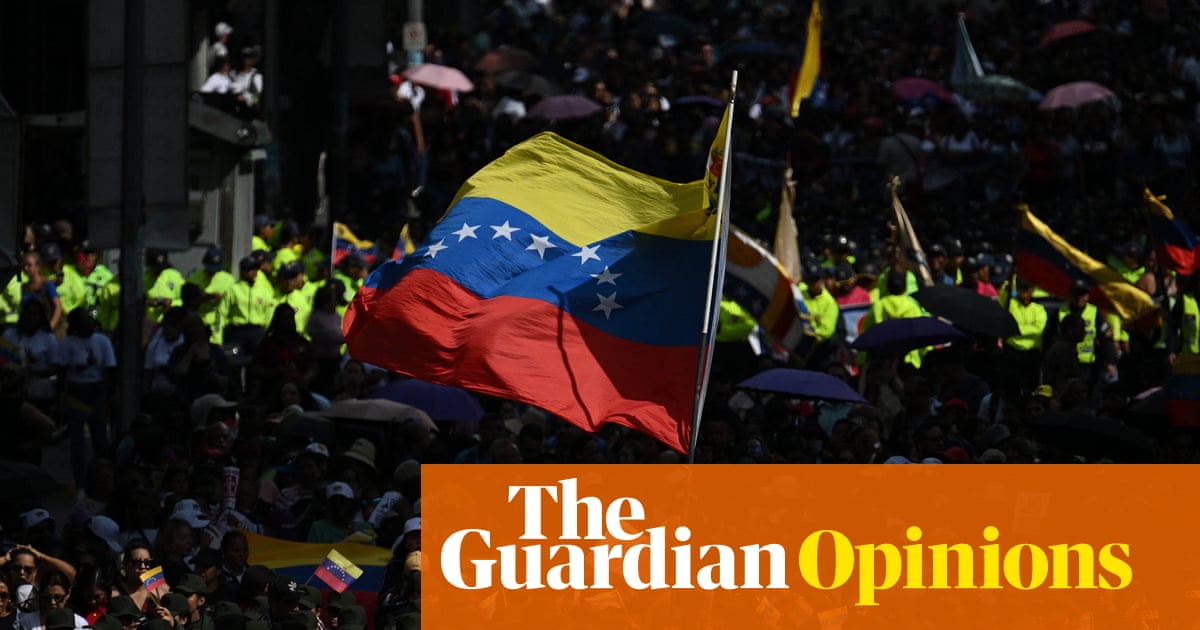
Fires were still smoldering in Caracas as residents prepared for an uncertain future. The United States launched a surprise attack on Venezuela, resulting in Nicolás Maduro's arrest in New York City. Despite the dramatic events, little changed in Caracas, with Maduro's inner circle still in power and the city relatively calm. Speculation suggests that Maduro's allies may have struck a deal with the US to maintain power without him.
The lack of resistance during the raid and Trump's statements about controlling Venezuela's oil reserves raised questions about the true motives behind the attack. Maduro's vice-president, Delcy Rodríguez, emerged as a key figure in the aftermath, cooperating with the US and assuming the presidency. The speed and ease of the transition hinted at calculated moves by Maduro's allies to ensure stability and retain power.
Key players in Maduro's government, including defense and interior ministers, orchestrated a smooth transition to maintain control and prevent chaos. By offering Trump access to Venezuela's oil reserves and removing Maduro from power, they secured their positions and avoided a potentially messy regime change. The delicate balance between following US orders and upholding Venezuelan independence now rests on Rodríguez's government.
While the smoke clears in Caracas, the true motivations and consequences of the US intervention in Venezuela remain shrouded in secrecy. Venezuelans continue to face the challenges of a nation in crisis, with the future uncertain and the political landscape forever changed.