David Bowie: A Decade Later, His Transformative Legacy in Art and Culture
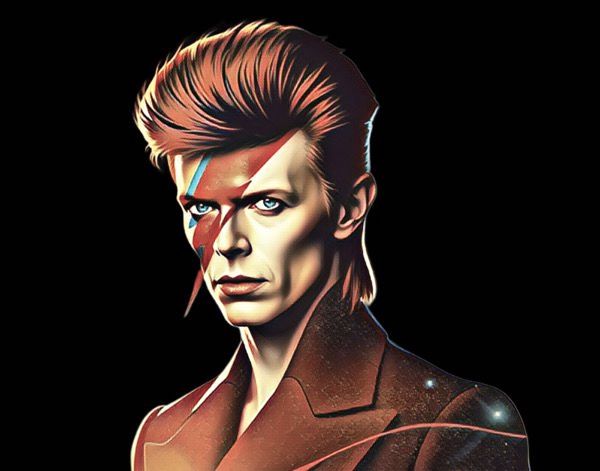
David Bowie's legacy continues to be celebrated a decade after his passing. His artistic experimentation with gender, performance, and identity set him apart as a transformative figure in modern art. Bowie's various personas, such as Ziggy Stardust and the Thin White Duke, served as artistic devices to explore themes of desire, alienation, and ambiguity, showcasing his commitment to embodying transformation.
Bowie's refusal to conform to a single style or brand revolutionized the concept of an artistic career. His ever-evolving musical phases, from folk to glam, soul to electronics, and beyond, inspired a new generation of artists to embrace risk and innovation. Bowie's influence can be seen in the diverse trajectories of artists like Madonna, Radiohead, Björk, and Lady Gaga.
Albums like The Rise and Fall of Ziggy Stardust and the Spiders from Mars and Station to Station were not just collections of songs but structured works that incorporated elements of theater, literature, and visual art. Bowie's ability to blend different artistic disciplines elevated popular music to an aesthetic project, shaping the way we perceive eras and concepts in contemporary pop culture.
During the late 1970s, Bowie's "Berlin Trilogy" marked a pivotal moment in music history, incorporating electronic music and experimental sounds that laid the foundation for post-punk and indie rock. His willingness to challenge market expectations and reinvent musical language influenced a wide range of artists, from Joy Division to Arcade Fire.
In addition to his musical contributions, Bowie's forays into acting showcased his versatility and depth as an artist. From portraying modern alienation in The Man Who Fell to Earth to embodying cultural clash in Merry Christmas, Mr. Lawrence, Bowie's on-screen presence transcended mere performance, becoming a powerful metaphor for identity and displacement.
Bowie's impact extended beyond music and film into the realms of fashion and visual art. His androgynous style, avant-garde costumes, and boundary-pushing aesthetics blurred the lines between masculine and feminine, paving the way for fashion to be seen as a form of political expression. Bowie's visual narrative continues to influence contemporary fashion and artistic expression.
As a multimedia artist, Bowie integrated visual elements into his music, videos, and album covers, treating image as narrative rather than mere packaging. His understanding of the interconnectedness of sound, image, and concept foreshadowed the rise of multimedia artistry in a visually-driven world.
Bowie's role as a cultural curator and tastemaker helped elevate underground artists and movements into the mainstream. By championing acts like Iggy Pop, Lou Reed, and Kraftwerk, Bowie bridged the gap between the avant-garde and popular culture, expanding the cultural field and legitimizing new voices in the industry.
Themes of alienation, technology, and identity collapse present in Bowie's music remain relevant today, reflecting a modern condition that transcends time. His ability to interrogate and challenge societal norms through his art has ensured that his music continues to resonate with audiences as a poignant commentary on contemporary issues.
With his final album, Blackstar, released just before his death, Bowie crafted an aesthetic testament that confronted finitude with lucidity and grace. By turning farewell into a work of art, Bowie reaffirmed the power of creativity and thought until the very end, closing his own trajectory with symbolic power and coherence.
A decade later, David Bowie's legacy endures not as a relic of the past, but as a living testament to the power of artistic innovation and courage. His willingness to push boundaries, challenge norms, and embrace change serves as a timeless reminder that culture evolves when individuals have the audacity to treat existence itself as a form of language. Bowie's influence continues to shape the artistic landscape, proving that he is not just remembered but still happening in the world of art and culture.