The Quirky Legacy of the Bat-Train: A Look Back at Batman's Silver Age Adventures
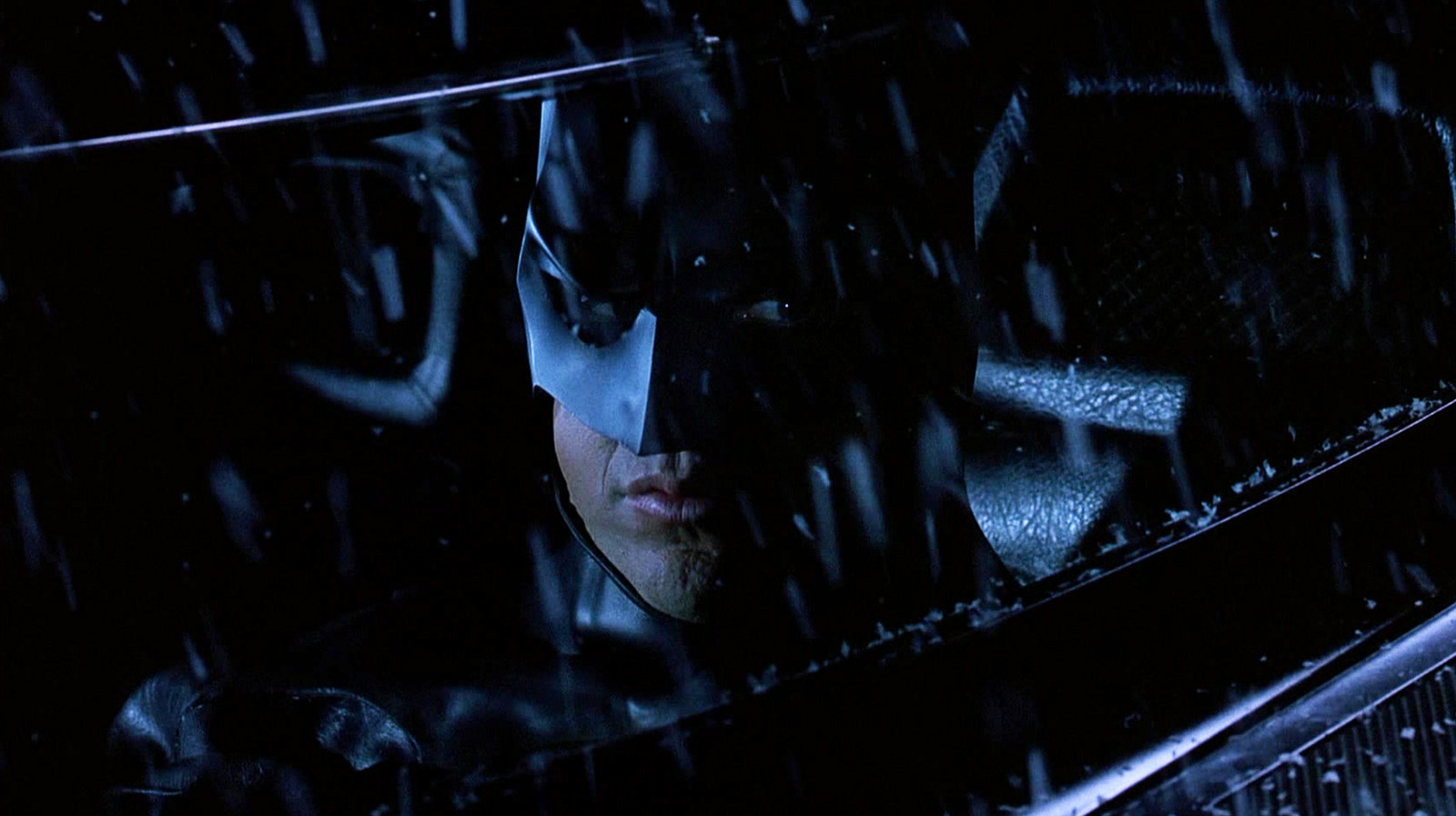
Batman comics in the 1950s introduced the Bat-Train, a unique locomotive funded by local governments to help Batman and Robin travel across the country and give crime-fighting speeches. Despite its initial appearance in the '50s, the Bat-Train made a surprising return in a 2020 comic issue. Over the years, Batman has evolved from a lighthearted character to a brooding avenger, thanks to the work of comic book artists and filmmakers who shaped his image. The 1960s TV series starring Adam West also contributed to the lighter portrayal of Batman during that era.
During the Silver Age of Batman comics, the Caped Crusader faced off against bizarre villains and encountered whimsical concepts. From Ace the Bat-Hound to the magical Bat-Mite, the comics of the '50s and '60s introduced a range of zany elements that added a unique charm to Batman's world. The Bat-Train, however, was one of the more outlandish creations, with local governments funding its construction to facilitate Batman and Robin's nationwide travels.
While some of the best Batman comics have taken bold creative risks, such as reimagining the character's story or exploring unconventional themes, the Bat-Train storyline was not as well-received. In the original comic where it debuted, the Bat-Train became a target for criminals looking to exploit its valuable cargo. Batman and Robin thwarted the thieves and used the incident as material for their crime-fighting lectures, showcasing the absurdity of the situation.
Despite its initial reception, the Bat-Train made a comeback in a 2020 comic issue, where Deathstroke expressed disbelief at its existence. The reappearance of this forgotten locomotive served as a nod to Batman's colorful history and the whimsical storytelling of the Silver Age. The Bat-Train remains a quirky footnote in Batman's long and storied legacy, highlighting the character's ability to adapt to changing times while retaining elements of his eccentric past.