Authenticity and Excellence: Ian Anderson's Journey to Band Leadership with Jethro Tull
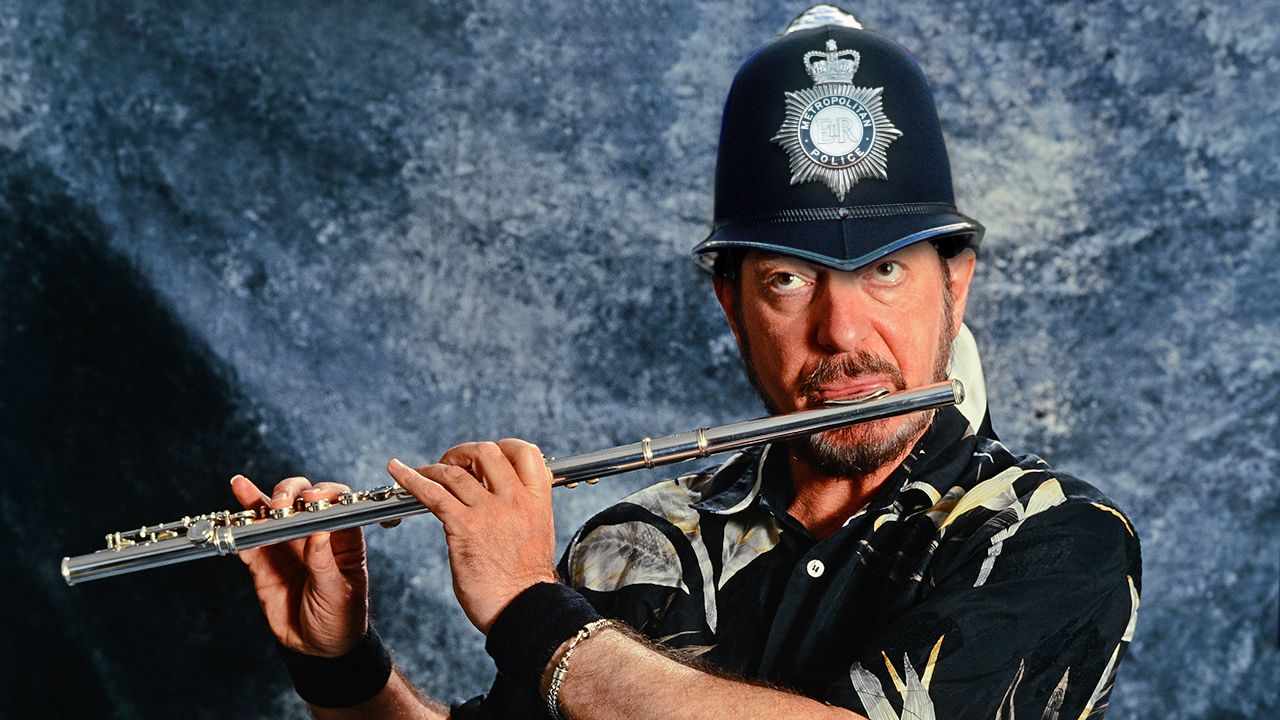
Ian Anderson's journey to becoming a band leader with Jethro Tull was shaped by various subculture influences and unexpected career paths. Starting with a childhood interest in music sparked by Elvis Presley and skiffle, Anderson's early aspirations ranged from being an engine driver to a policeman. However, the emergence of blues and iconic albums like Sgt Pepper and The Piper At The Gates Of Dawn in the late '60s pointed him towards a different direction.
Growing up in a transformative era of social change, Anderson navigated through societal shifts and personal challenges, including his father's concerns about his appearance and identity. Despite his deep admiration for black American blues, Anderson chose to sing in his British accent, avoiding imitation and staying true to his own voice. This authenticity became a cornerstone of his musical identity, setting him apart from his peers.
Throughout Jethro Tull's extensive career, Anderson maintained a unique perspective and approach to music, often diverging from mainstream trends. His aversion to drugs and alcohol on the road stemmed from a fear of health risks and a desire to control his addictive tendencies. This cautious mindset also extended to his leadership style within the band, emphasizing punctuality and professionalism over indulgence and excess.
Despite the lineup changes and internal conflicts within Jethro Tull over the years, Anderson managed to avoid making enemies personally. While tensions arose between band members like Mick Abrahams and Glenn Cornick, Anderson remained focused on the music and the collective vision of the group. His commitment to artistic integrity and diverse musical influences attracted a broad audience, transcending cultural boundaries and resonating with fans worldwide.
Reflecting on his brief collaboration with Tony Iommi and Black Sabbath, Anderson's work ethic and discipline left a lasting impression on the legendary guitarist. While not a traditional "pop" figure, Anderson's dedication to his craft and insistence on professionalism have shaped his leadership style and contributed to Jethro Tull's enduring legacy. As a band leader, Anderson's commitment to authenticity and excellence continues to define his musical journey, inspiring generations of fans and fellow musicians.