Boldly Going Beyond: The Impact of 'Star Trek: The Motion Picture' on Pop Culture
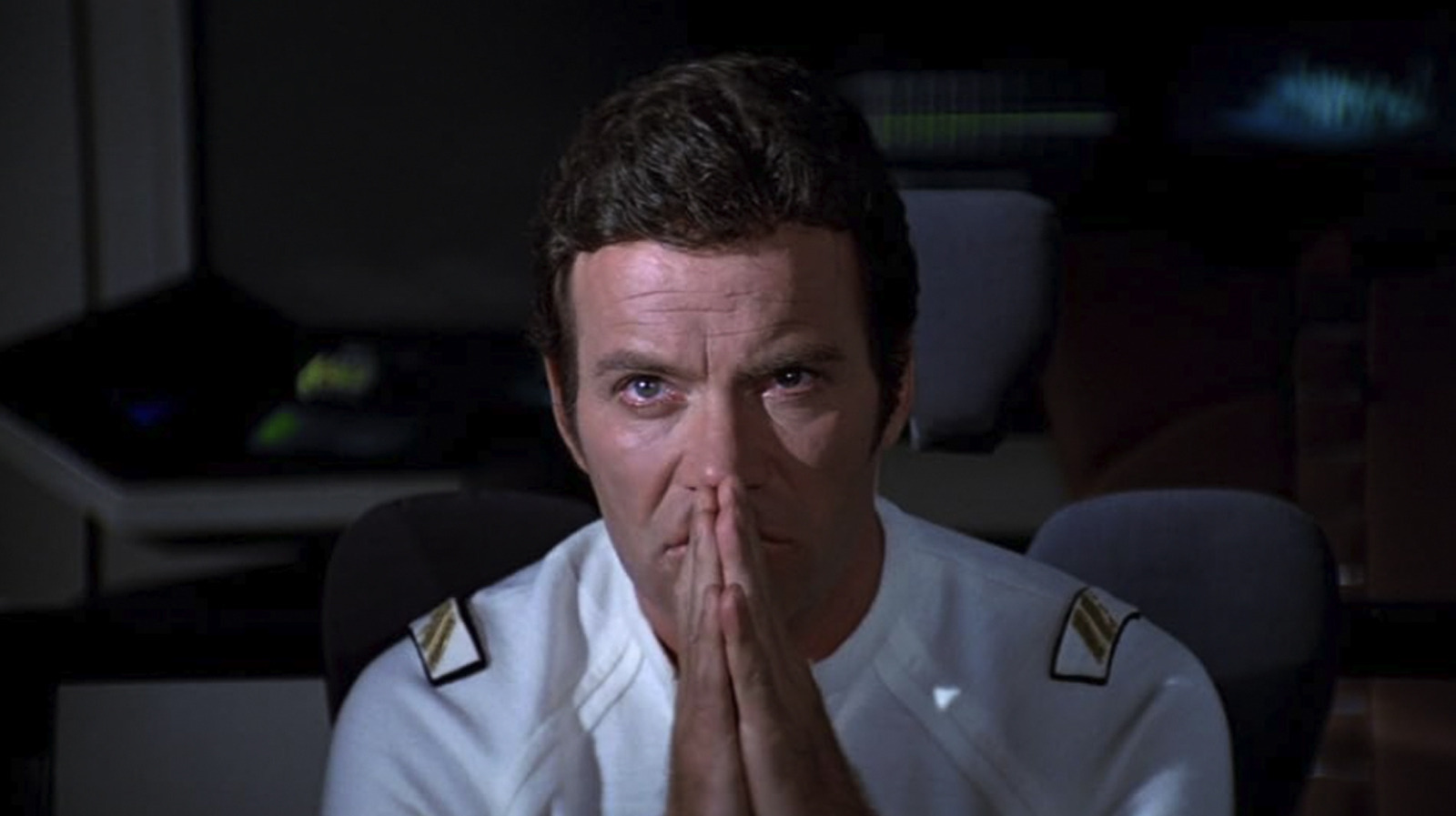
"Star Trek" is a cultural phenomenon that has left a lasting impact on pop culture. The franchise, which includes numerous TV episodes and movies spanning over six decades, took a significant step forward in 1979 with the release of "Star Trek: The Motion Picture." This transition to the big screen was made possible by the vision of Michael Eisner, who was the president of Paramount at the time. Eisner recognized the potential of bringing "Star Trek" to theaters and saw the existing fan base as a valuable asset.
Despite the original "Star Trek" series ending in 1969, its influence endured, especially in the midst of a sci-fi renaissance with the success of films like "Star Wars" and "Close Encounters of the Third Kind." Eisner seized the opportunity to elevate "Star Trek" to a cinematic level, boldly declaring it would be the biggest picture Paramount had ever made. The technical challenges of the project were immense, but Eisner's team was determined to push boundaries and deliver a groundbreaking film.
Directed by Robert Wise, the production of "Star Trek: The Motion Picture" faced numerous obstacles, including script revisions, budget constraints, and visual effects complexities. Despite the challenges, the movie managed to perform decently at the box office, paving the way for future installments. The success of "Star Trek II: The Wrath of Khan" demonstrated that the franchise had potential for further growth and expansion.
While "Star Trek: The Motion Picture" may not have been a massive blockbuster, it set the stage for the franchise's evolution. The subsequent launch of "Star Trek: The Next Generation" in 1987 marked a new chapter in the series, leading to a successful seven-season run and a series of movies featuring the new cast. Eisner's belief in the franchise's potential and his commitment to investing in its development played a crucial role in shaping the future of "Star Trek" on both the big and small screens.