Empowering Democracy: The Case for Ranked Choice Voting in New York City's 12th Congressional District Democratic Primary
New York City's 12th congressional district Democratic primary is the talk of the town, featuring a diverse and star-studded lineup of candidates vying to succeed Rep. Jerrold Nadler. With notable figures like George Conway, Jack Schlossberg, and various other contenders, the race is heating up. However, the winner of this crowded primary could potentially secure victory with as little as 15% of the vote, highlighting the need for ranked choice voting to ensure a more representative outcome.
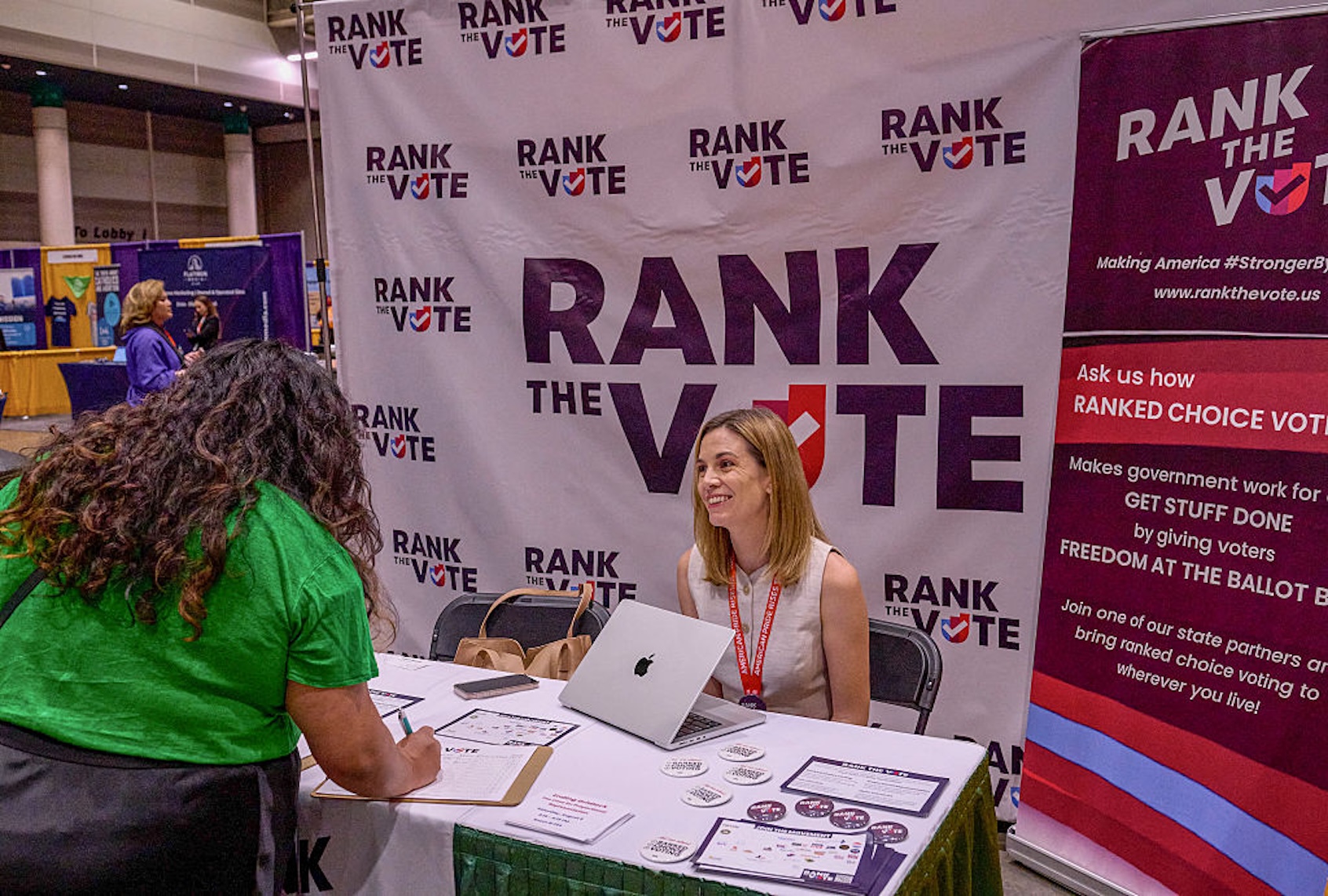
Ranked choice voting allows voters to rank candidates in order of preference, ensuring that the ultimate winner garners majority support. This system has proven successful in New York City's mayoral race, where Zohran Mamdani secured a clear majority mandate in a competitive field. By eliminating the need for candidates to focus solely on their base and encouraging outreach to a broader audience, ranked choice voting promotes a more inclusive and issue-focused campaign.
The upcoming congressional race in the 12th district, as well as similar contests nationwide, could benefit greatly from the implementation of ranked choice voting. With multiple candidates vying for the same seat, the risk of divisive primaries and fractured support looms large. By adopting ranked choice voting, voters can have a say in selecting the strongest candidate with widespread appeal, ultimately leading to a more unified and representative outcome.
As the political landscape continues to evolve and attract new voices, ranked choice voting emerges as a crucial tool to ensure that the most qualified and broadly supported candidates rise to the top. By embracing this system, voters can shape the future of elections and pave the way for a more inclusive and effective democratic process. It's time for a change, and ranked choice voting offers a path towards a more representative and harmonious political arena.