Immigration Enforcement in Minnesota's Twin Cities: A Community in Turmoil
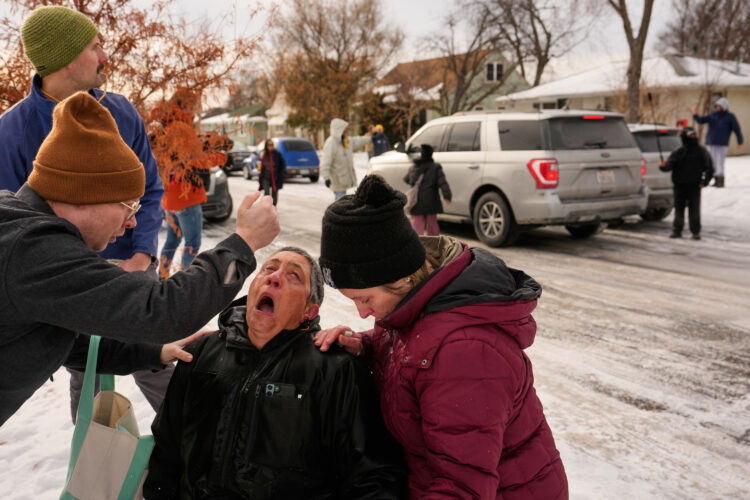
Federal immigration officers conducted a large-scale enforcement operation in Minnesota's Twin Cities region, resulting in over 2,000 arrests since December. The operation, labeled as the largest ever by the Department of Homeland Security, involved agents forcibly entering homes to apprehend individuals. In one instance, agents pepper-sprayed protesters outside a residence before arresting a man inside. Despite the absence of a warrant signed by a judge, the man was taken into custody, sparking outrage among immigrant advocacy groups.
The Twin Cities community remains on edge following the fatal shooting of 37-year-old Renee Good by an immigration officer. The incident has heightened tensions in the area, with federal agents conducting widespread enforcement activities. Minneapolis city councilmember Jason Chavez, a son of Mexican immigrants, expressed concern over the increased presence of federal agents in immigrant neighborhoods. Residents have been vigilant, with some acting as observers to monitor enforcement actions and ensure the safety of their neighbors.
As the enforcement operations continue, questions have arisen regarding the investigation into Good's shooting. Minneapolis Mayor Jacob Frey and U.S. Sen. Tina Smith have called for state authorities to be involved in the investigation to ensure objectivity. The Trump administration has defended the officer involved in the shooting, citing self-defense and the need to protect agents. The incident has sparked nationwide protests, with thousands marching in Minneapolis to denounce the administration's immigration enforcement tactics.
In the wake of these events, Minneapolis public schools have shifted to remote learning to address safety concerns among students. The community remains unsettled, with residents anxious about the ongoing enforcement activities and the implications of Good's tragic death. Despite the challenges, local organizations and individuals continue to advocate for immigrant rights and support their communities in the face of heightened immigration enforcement.