Navigating the Rules of Hogwarts: Unraveling the Mysteries of the Magical School
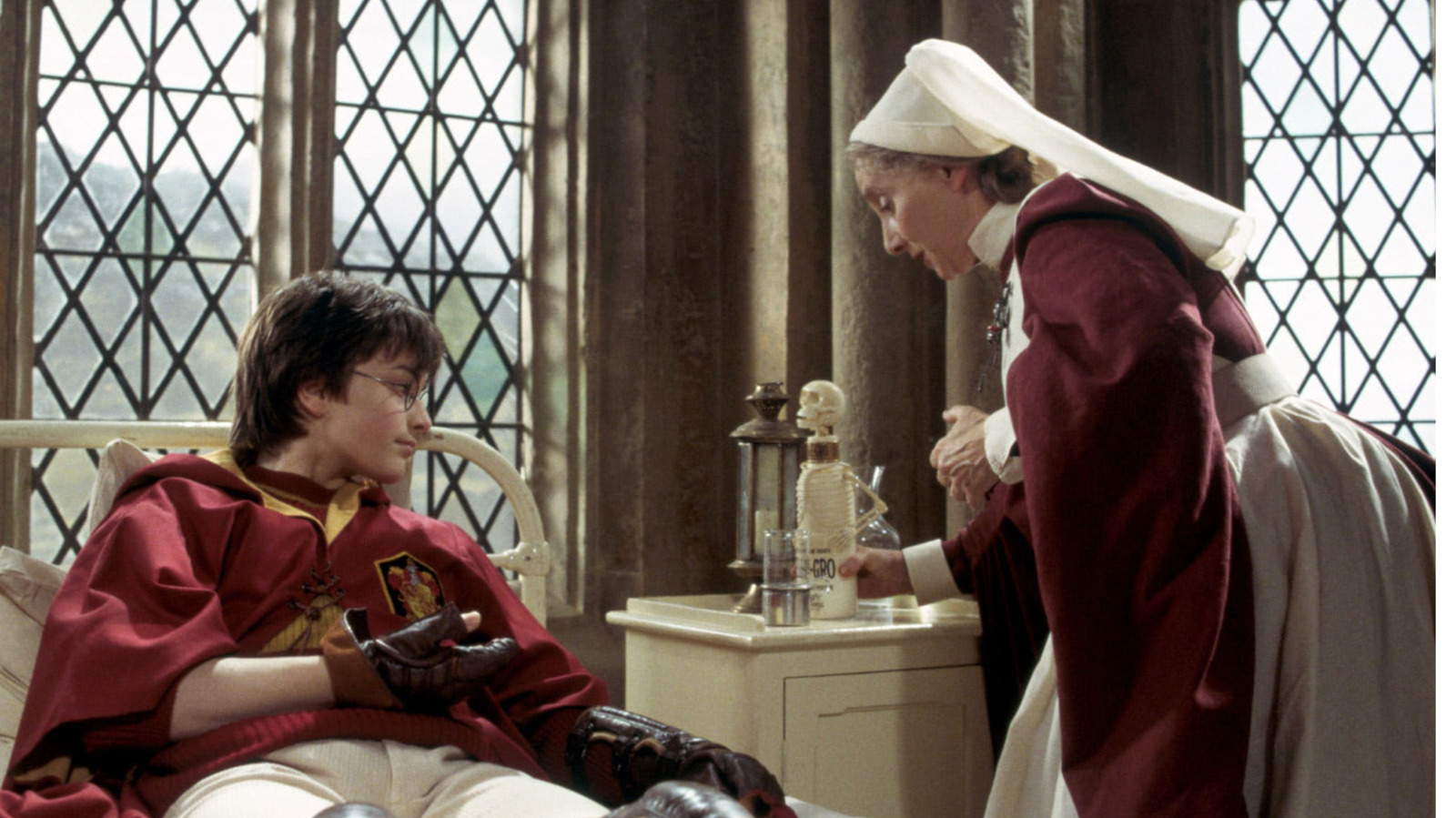
The magical world of Hogwarts, as depicted in the "Harry Potter" series, presents a unique and sometimes perplexing set of rules and regulations that govern the lives of its students. While the experience of attending a private boarding school may resonate with many, the rules at Hogwarts often seem overly strict or unclear. From the prohibition of girls wearing trousers as part of their uniform to the arbitrary allocation and deduction of house points, the rules of Hogwarts can sometimes feel arbitrary and unfair.
One of the most puzzling aspects of Hogwarts' rules is the system of awarding and deducting house points, which is left largely to the discretion of the school's professors and authority figures. Prefects, student leaders who oversee their houses, also have the power to award and deduct points, leading to potential abuses of the system. While some students, like Severus Snape, may exploit this system for personal gain, others, like Albus Dumbledore, may show favoritism in awarding points, raising questions about the fairness and transparency of the process.
The role of prefects at Hogwarts also raises concerns about the unequal distribution of power among students. Prefects have greater freedom of movement and authority than other students, allowing them to enforce rules and regulations with relative impunity. Additionally, the privileges afforded to prefects, such as access to exclusive facilities like the prefects' bathroom, can create disparities among students and foster a sense of elitism within the school community.
The existence of a restricted section in Hogwarts' library, which contains dangerous and forbidden knowledge, highlights the school's inconsistent approach to student safety and supervision. Despite efforts to protect students from dark magic, the restricted section is easily accessible to students who are resourceful or determined enough to bypass its security measures. This lack of oversight raises questions about the school's commitment to safeguarding its students and preventing potentially harmful activities.
The sorting hat ceremony, which assigns students to one of four houses based on their personality traits, plays a significant role in shaping students' identities and social interactions at Hogwarts. The strict segregation of students by house, both in terms of physical spaces and social interactions, reinforces stereotypes and limits students' opportunities for cross-house collaboration and friendship. This rigid division of students into distinct groups based on arbitrary criteria can perpetuate biases and hinder personal growth and development.
In conclusion, the rules and regulations of Hogwarts, as depicted in the "Harry Potter" series, raise important questions about fairness, transparency, and inclusivity within the school community. While the magical world of Hogwarts offers a rich and immersive setting for storytelling, its portrayal of institutional norms and practices may prompt readers to reflect on the broader implications of power dynamics, social hierarchies, and identity formation in educational settings.