The Beatles' Journey to Their First No.1 Hit: Unveiling the Story Behind 'Please Please Me
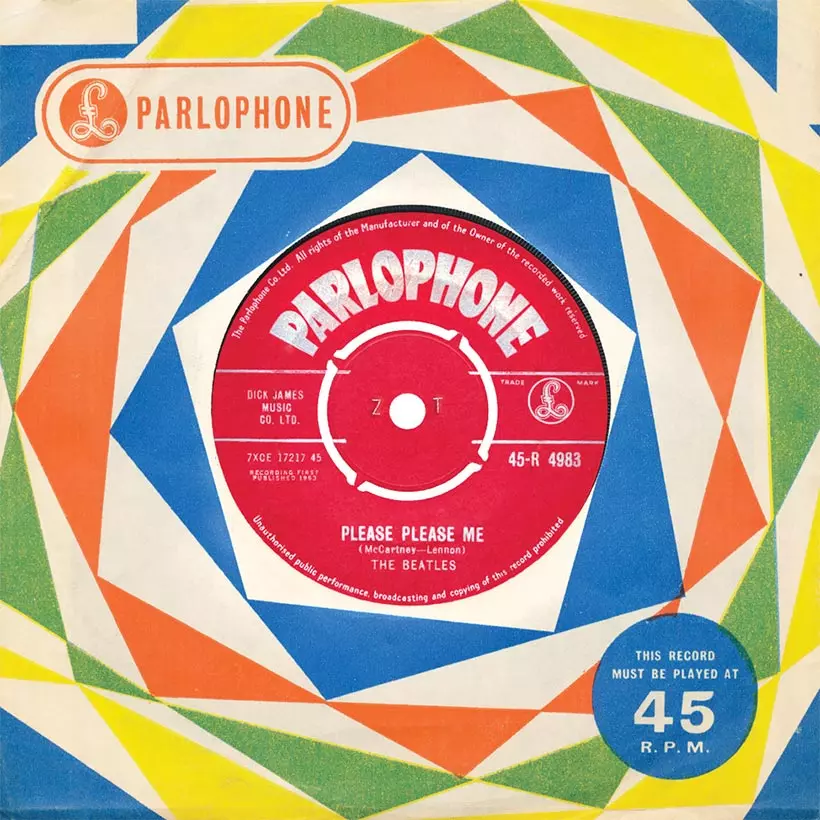
The Beatles' journey to their first No.1 hit on the official UK charts was not as straightforward as many might think. While "Love Me Do" was their first single, it did not reach the top spot. It was actually "Please Please Me," recorded in November 1962 and released as their second single in January 1963. Despite reaching No.2 on the Record Retailer magazine chart, the BBC placed it at No.1 on their chart, which was an average of various UK charts.
Following a gig at Liverpool's Cavern Club, The Beatles headed to London to record "Please Please Me" and "Ask Me Why." Their first London appearance on the BBC's national radio station followed the next day. The single was released on January 11 and charted shortly after, peaking at No.2 in late February and again in March.
In the US, Capitol Records initially declined to release The Beatles' first two singles, leading to a deal with Vee-Jay, a US label known for having The Four Seasons. Vee-Jay reissued "Please Please Me" with "From Me to You" as the B-side just before The Beatles' arrival in New York for their appearance on The Ed Sullivan Show in February 1964.
The Beatles' arrival in America marked the start of the "British invasion." Their performance of "Please Please Me" on The Ed Sullivan Show contributed to the single's success, peaking at No.3 on the charts in March 1964. The band's consecutive appearances on the show provided a significant PR opportunity and boosted their popularity in the US.
The Beatles' impact on American audiences was evident as their singles dominated the charts, with "Please Please Me" reaching No.5, surrounded by other hits like "I Want To Hold Your Hand," "She Loves You," "Twist and Shout," and "Can't Buy Me Love." Their success on The Ed Sullivan Show and subsequent chart performance solidified their status as music icons.
Explore The Beatles' music collection on limited edition vinyl and CDs for a nostalgic journey through their iconic discography.