Former Fed Chairs Warn Against Political Interference in Central Bank Independence
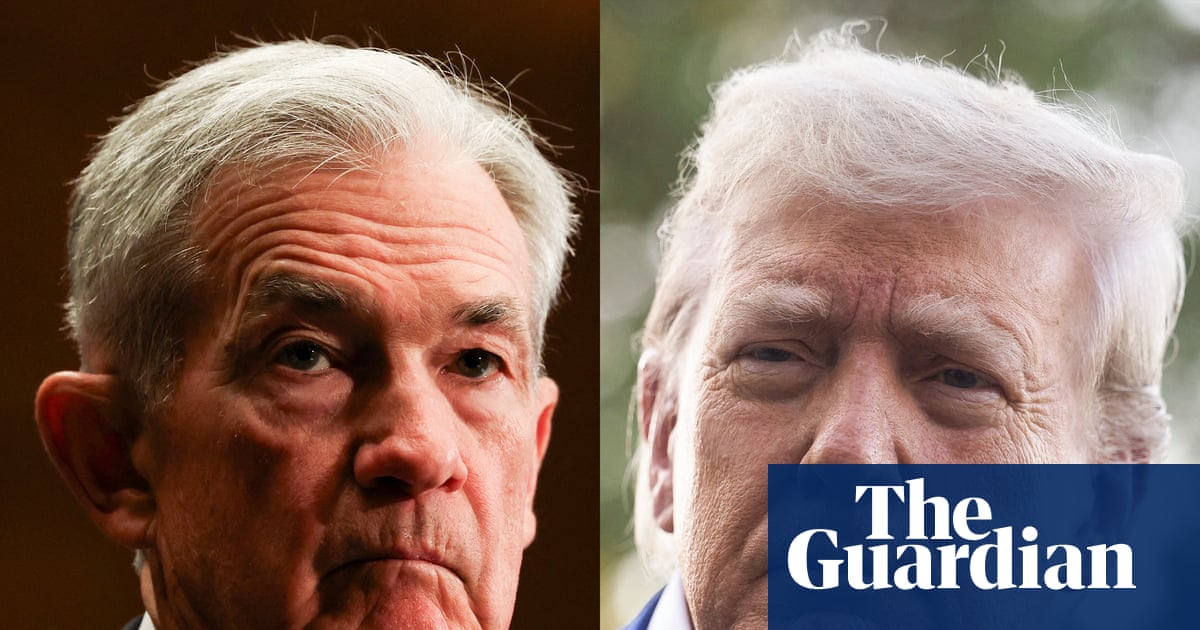
Several former Federal Reserve chairs, including Alan Greenspan, Ben Bernanke, and Janet Yellen, have criticized the Trump administration's attempt to undermine the central bank's independence. They expressed concern over the reported criminal investigation into current Fed chair Jerome Powell, stating that such attacks could have negative consequences on the economy. The former officials emphasized that the rule of law is crucial for the US's economic success and should be upheld.
The ex-Fed chairs condemned the use of prosecutorial attacks to influence monetary policy, citing examples from other countries where such actions led to inflation and economic instability. They argued that the US, with its strong institutions, should not resort to such tactics. The statement signed by 13 former senior officials highlighted the importance of maintaining the Fed's independence and ensuring that policy decisions are made in the public's best interest.
The Department of Justice's criminal inquiry into Powell's testimony before the Senate banking committee raised concerns about the central bank's autonomy. Powell defended the Fed's decision-making process, stating that interest rates are set based on what is best for the public, rather than political preferences. The grand jury subpoenas served to the Fed regarding renovations to its office buildings in Washington DC have sparked a debate about the boundaries between government oversight and central bank independence.
The controversy surrounding the criminal investigation into Powell's actions has reignited discussions about the Fed's role in shaping economic policy. The former Fed chairs' criticism of the Trump administration's interference in monetary policy reflects broader concerns about the erosion of institutional independence. As the situation unfolds, it remains to be seen how the central bank will navigate the challenges posed by external pressures on its decision-making process.
In conclusion, the backlash against the DOJ's criminal inquiry into Fed chair Jerome Powell underscores the importance of maintaining the central bank's independence. The former Fed chairs' warning about the potential consequences of political interference in monetary policy serves as a reminder of the delicate balance between government oversight and institutional autonomy. As the debate continues, the Fed's ability to fulfill its mandate of promoting economic stability will be closely scrutinized.