Title: "Trump's Aggressive Pursuit of Greenland and Unconventional Foreign Policy Moves: A Look at Recent Developments
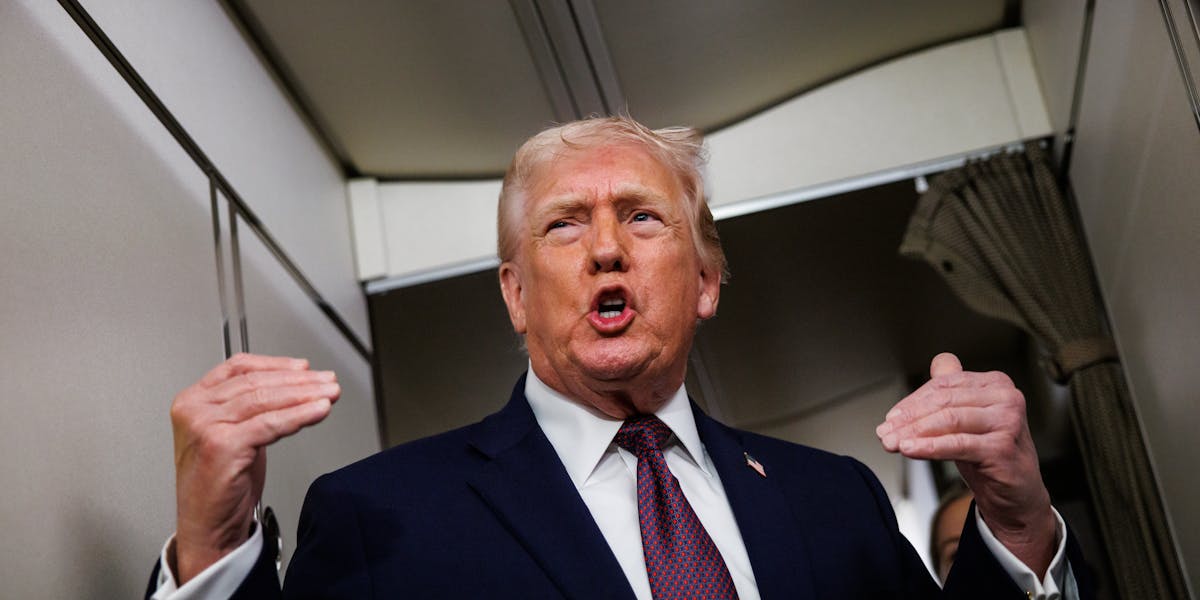
The United States under President Donald Trump is aggressively pursuing the acquisition of Greenland, a Danish territory in the north Atlantic Ocean. Trump believes that taking over Greenland is crucial to prevent Russia or China from doing so. Despite opposition from NATO members and Greenland's political parties, Trump is determined to secure the territory, even hinting at military action if necessary. The push for Greenland's takeover has raised concerns about the future of NATO and the sovereignty of Greenland's people.
In response to the tragic killing of Renee Nicole Good by ICE agents, Homeland Security Secretary Kristi Noem has announced plans to deploy more federal agents to Minneapolis. The increased presence of federal agents, part of "Operation Metro Surge," is expected to lead to further separation, detainment, and violence in the community. Despite mounting criticism and evidence of excessive force by ICE officers, the Trump administration shows no signs of halting its crackdown on immigration enforcement.
President Trump has taken an unconventional approach to foreign policy by declaring himself the "acting president" of Venezuela. Following a military incursion into Venezuela and the capture of President Nicolás Maduro, Trump has signaled plans to oversee the sale of Venezuelan oil reserves. The administration's actions have sparked international concern and raised questions about the future leadership and stability of Venezuela.
In a controversial statement, President Trump suggested that being "disrespectful" toward law enforcement justifies the use of deadly force. Trump's remarks came in response to the shooting of Renee Good by an ICE officer, where he implied that her behavior warranted the lethal response. The president's comments have drawn criticism for justifying violence against individuals based on their interactions with law enforcement.
Federal Reserve Chair Jerome Powell condemned the Department of Justice's grand jury subpoenas targeting the Fed's board as an attempt to influence monetary policy. Powell emphasized the importance of the Fed's independence in setting interest rates based on economic conditions, rather than political pressure. The move by the DOJ has raised concerns about the politicization of the Federal Reserve and its impact on economic stability.
During a meeting with oil executives, President Trump inadvertently revealed a note from Senator Marco Rubio, prompting a brief interruption in the discussion. The incident highlighted Trump's cognitive decline and tendency to veer off-topic during official engagements. The president's behavior has raised questions about his ability to focus on critical issues and maintain coherence in public appearances.
In response to the ICE shooting in Minneapolis, Katie Miller, wife of Trump adviser Stephen Miller, criticized an AI chatbot for its assessment of the incident. Miller expressed dissatisfaction with the chatbot's analysis of the shooting, calling it "dangerously woke" and questioning its accuracy. The incident underscored the ongoing debate over the role of AI in shaping public discourse and perceptions of controversial events.
President Trump's meeting with oil companies at the White House focused on discussions about Venezuela's oil reserves and the potential benefits for the American people. Trump emphasized the importance of reducing oil prices and curbing drug trafficking through control of Venezuela's oil supply. The meeting highlighted Trump's strategic interests in leveraging Venezuela's resources for domestic and international objectives.
The U.S. military's invasion of Venezuela, led by American forces and targeting President Nicolás Maduro, has escalated tensions between the two countries. The invasion, which followed months of naval attacks and accusations of drug trafficking, has raised concerns about the legality and consequences of U.S. intervention in Venezuela. The Trump administration's actions have drawn criticism for their unilateral approach and potential impact on regional stability.