Communication Restrictions Eased in Iran Amid Ongoing Protests and Diplomatic Exchanges
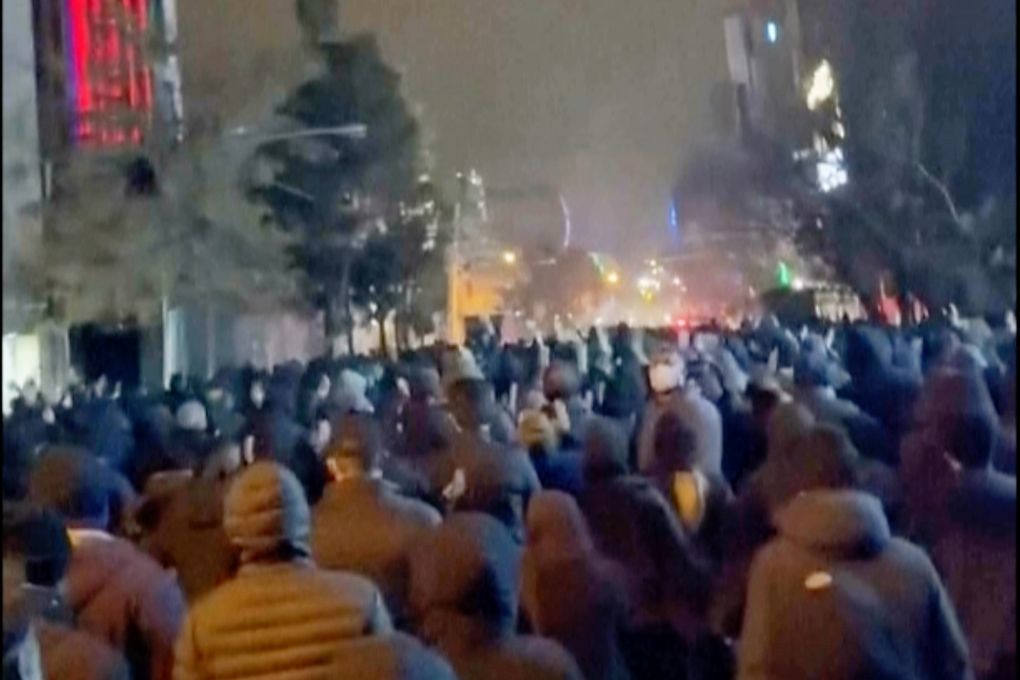
Following a crackdown on nationwide protests in Iran, mobile phones in the country were able to make international calls on Tuesday. Despite this development, text messaging remained unavailable, and the internet connection to the outside world was still cut off. The Iranian government had initially severed internet and call services last Thursday as protests escalated, resulting in a communication blackout within the country.
U.S. President Donald Trump indicated that Iran expressed a willingness to negotiate with the United States following his threats to strike the Islamic Republic over its handling of the protests. Iranian Foreign Minister Abbas Araghchi confirmed ongoing communication with U.S. envoy Steve Witkoff, but emphasized that Washington's proposed ideas and threats were not acceptable to Iran. The White House acknowledged receiving conflicting messages from Iran, with public rhetoric differing from private communications, and reiterated the readiness to use military options if necessary.
In a display of support for the theocracy, pro-government demonstrators took to the streets in Iran on Monday, showcasing solidarity with Supreme Leader Ayatollah Ali Khamenei. The large crowd, estimated to be in the tens of thousands, chanted anti-American and anti-Israeli slogans while declaring opposition to the enemies of God. The Iranian attorney general issued a warning that participation in protests would be considered a capital offense, labeling protesters as enemies of God.
In conclusion, the recent developments in Iran reflect a complex situation where communication restrictions have been partially lifted, diplomatic exchanges are ongoing, and public demonstrations continue to shape the political landscape in the country. The conflicting messages from Iran and the United States underscore the challenges in finding a resolution to the current tensions.