Banned from the Opry: The Stories of Artists Who Lost Their Place on Country Music's Most Revered Stage
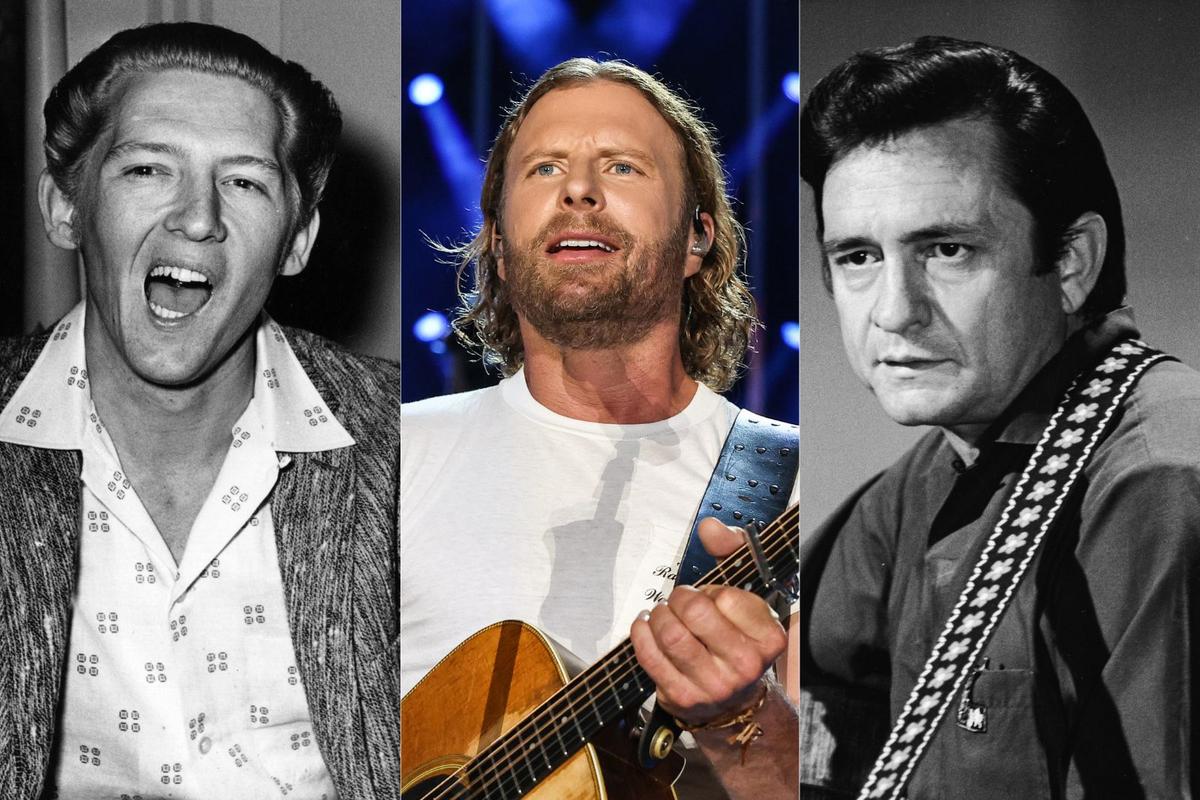
The Grand Ole Opry is a renowned stage in country music, where artists cherish the opportunity to perform and become official members. However, not all relationships with the Opry remain positive throughout a performer's career. Some artists have been asked to leave the stage due to various reasons, such as violating the venue's code of conduct or failing to meet membership expectations.
During the Opry Goes Dolly tribute show at the Ryman Auditorium, Elle King caused controversy by appearing drunk on stage, using explicit language, engaging in banter with the audience, and forgetting lyrics. This behavior led to outrage among fans, with some calling for her ban from the Grand Ole Opry stage. Despite an apology from the venue, King has not returned to perform at the Opry.
Johnny Cash faced a ban from the Opry after a tumultuous 1973 show where he destroyed stage lights with a microphone stand, partly due to alcohol. Hank Williams lost his membership due to his alcoholism and unreliability, while Jerry Lee Lewis was removed for various offenses, including using profanity on air. Only one artist has faced a permanent ban from the Opry, and it was not the venue's decision to enforce it indefinitely.
Explore the stories of artists who have been banned from the Opry stage and the behaviors that led to their ousting.