Conservative OnlyFans Creator Anya Lacey Criticizes Florida Gubernatorial Candidate's Proposal for 'Sin Tax' on Content Creators
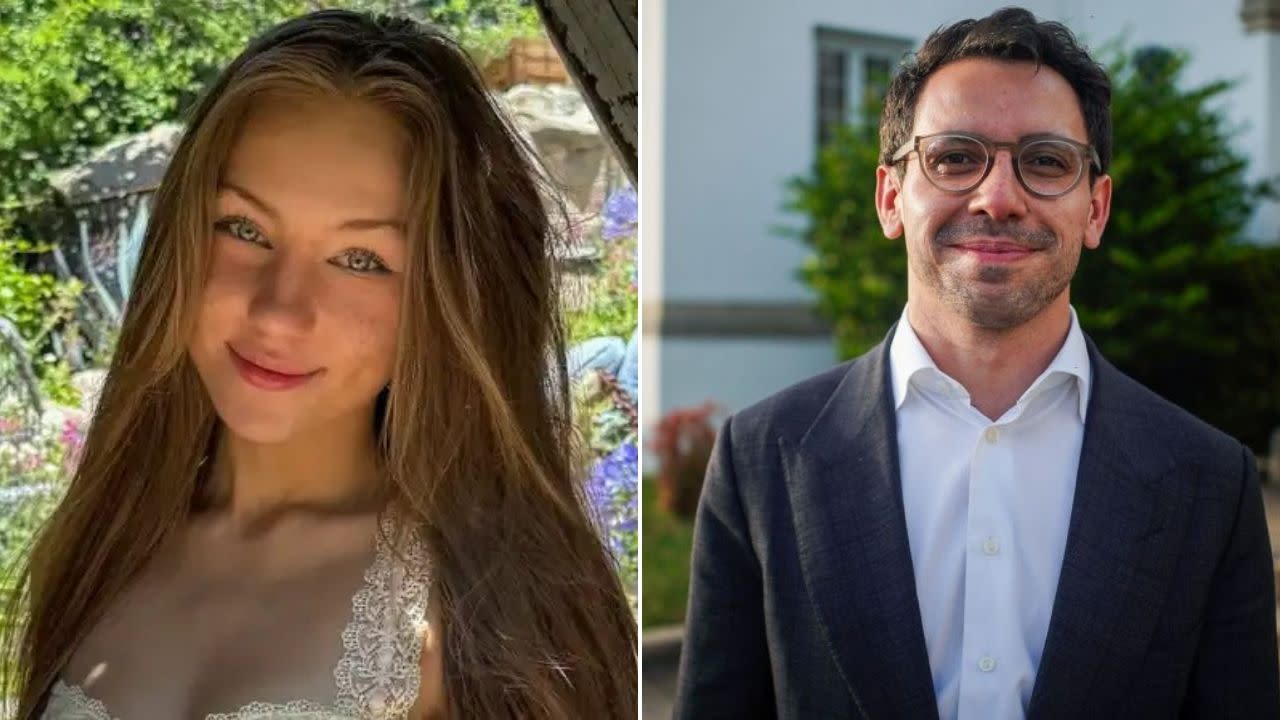
Conservative OnlyFans creator Anya Lacey is speaking out against Florida gubernatorial candidate James Fishback's proposal to introduce a 50% tax on income earned by content creators on the platform. Fishback believes this "sin tax" could generate $200 million in revenue to support teacher salaries and school lunches. Lacey, known for promoting conservative values on her OnlyFans account, criticized the proposal as discriminatory and misguided.
In response to Fishback's plan, Lacey highlighted the historical context of wealth generation in Florida, questioning the focus on OnlyFans creators. She argued that if a "sin tax" is to be imposed, other industries like alcohol, tobacco, and strip clubs should also be subject to similar taxation. Lacey emphasized that the proposed tax unfairly targets OnlyFans creators based on personal beliefs rather than objective criteria.
Lacey pointed out the widespread consumption of adult content in the U.S., suggesting that a significant portion of the population engages with such material. She emphasized that her content on OnlyFans is not explicit, featuring videos on fishing, baking, and pets. Lacey criticized the tax proposal for its moralistic framing and urged for a more equitable approach to taxation across different industries.
In conclusion, Lacey expressed her opposition to Fishback's plan, labeling it as a punitive tax rooted in personal beliefs rather than economic principles. She called for a fair and consistent tax policy that does not single out specific industries based on subjective judgments of morality. Lacey's stance reflects a broader debate on the taxation of online content creators and the need for transparent and unbiased fiscal policies.