Greenland Sovereignty Dispute: U.S. and European Allies at Odds
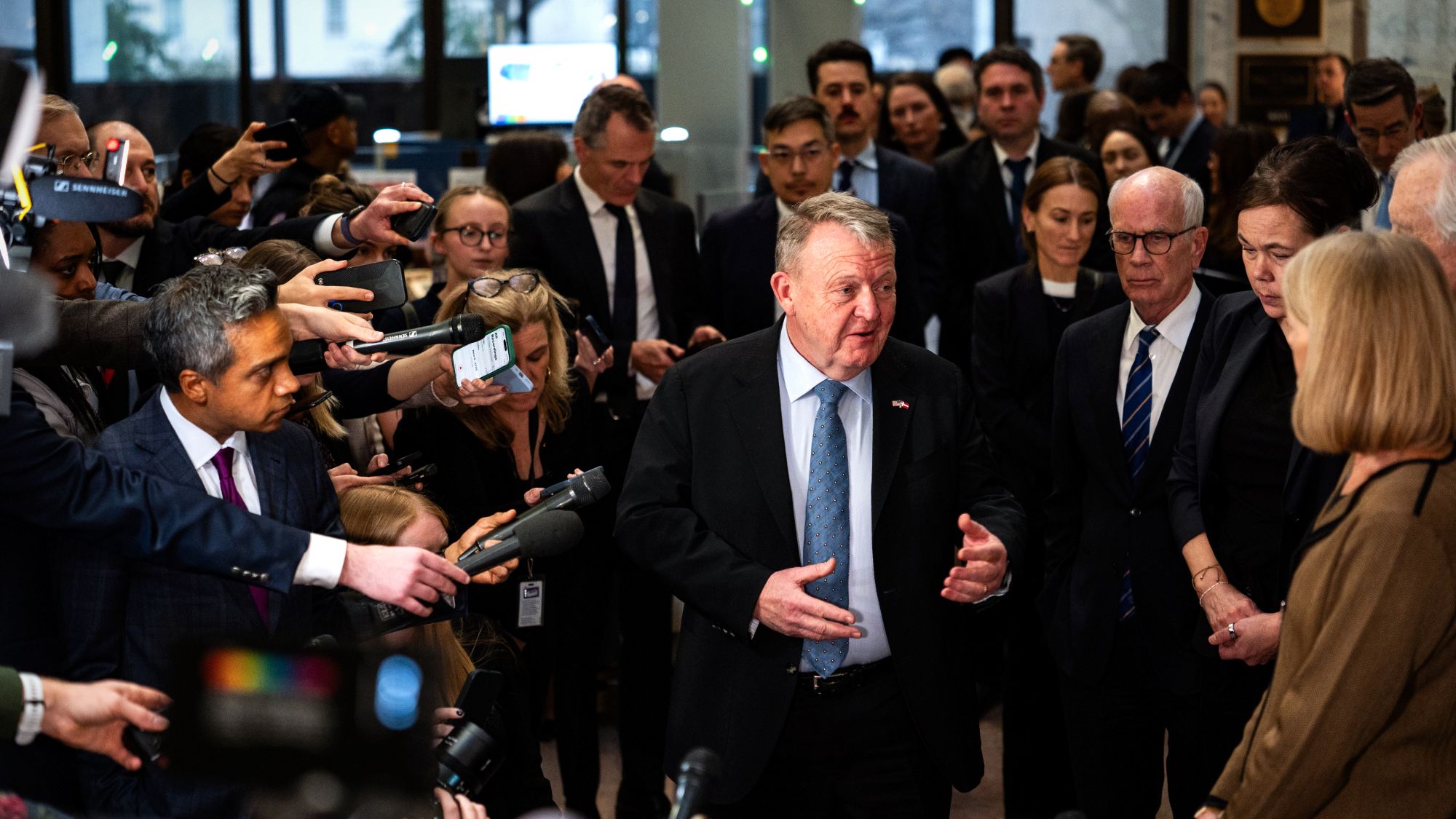
The foreign ministers of Denmark and Greenland recently met with Vice President JD Vance and Secretary of State Marco Rubio at the White House to address President Donald Trump's threats to take control of Greenland. The meeting did not resolve the disagreement, with Danish envoy Lars Lokke Rasmussen emphasizing the need for the U.S. to respect Copenhagen's sovereignty.
During the White House meeting, C-130 aircraft were delivering Swedish troops to Greenland, with other European countries also sending military assets to support the island at Denmark's request. Trump reiterated his desire for Greenland to be under U.S. control, stating that any other outcome would be unacceptable.
The U.S. already has the ability to station troops in Greenland under a 1951 treaty and as a NATO member, the island should be protected by the alliance's mutual-defense compact. European officials expressed concerns that Trump's proposed takeover of Greenland could jeopardize NATO.
Denmark's decision to establish a more permanent military presence in Greenland is seen as a necessary precaution in uncertain times. The military buildup in Greenland is viewed as a response to Trump's security criticisms, although the exact purpose of the troops sent remains unclear.
Rasmussen announced that the U.S. and Denmark agreed to form a high-level working group to address the Greenland issue in the coming weeks. A recent poll showed that a small percentage of Americans support Trump's efforts to acquire Greenland, with even fewer endorsing the idea of taking it by force.
In conclusion, the meeting between Danish and Greenlandic officials with U.S. representatives did not lead to a resolution on the Greenland issue. The tensions surrounding Greenland's sovereignty and military presence continue to be a point of contention between the U.S. and European allies.