Ronald Frederick Lane: From Rock Star to Rural Farmer - The Story of Slim Chance
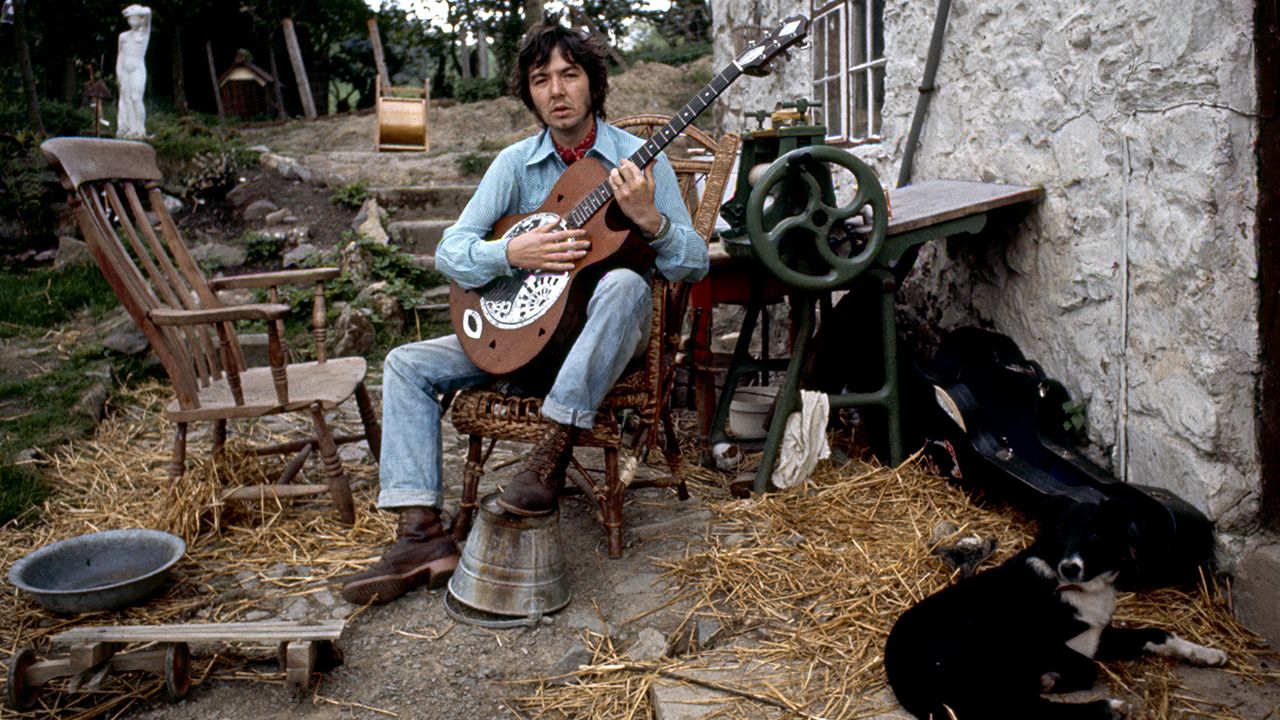
Ronald Frederick Lane, a former bassist for The Faces, decided to leave the rock'n'roll world behind and move to a rundown farmhouse on the Welsh border. He formed a new band called Slim Chance and embraced a nomadic lifestyle with his wife, Kate. Lane's departure from The Faces was fueled by his dissatisfaction with the stardom and antics of the rock scene. Despite his success in the music industry, Lane preferred a simpler and more authentic way of life.
Lane's decision to leave The Faces was influenced by his disillusionment with the rock'n'roll lifestyle and his desire to live a more genuine and down-to-earth existence. He was known for his quirky personality and his interest in Eastern religion, which sometimes clashed with the expectations of his bandmates. Lane's departure from The Faces was marked by tension with lead singer Rod Stewart, who had taken control of the band and criticized Lane's contributions to their music.
After leaving The Faces, Lane and his wife, Kate, purchased a farm near the Welsh border and transformed it into a creative hub for their new band, Slim Chance. The farm became a haven for musicians and artists, where they could collaborate and create music in a rustic and relaxed environment. Lane's vision for Slim Chance was to create music that was organic and authentic, free from the trappings of the music industry.
Slim Chance released their debut album, "Anymore For Anymore," in 1974, which showcased Lane's unique songwriting style and his ability to capture the essence of the English countryside. The album received critical acclaim but failed to achieve commercial success. Despite this, Lane remained committed to his vision for Slim Chance and continued to create music that reflected his values and beliefs.
Lane's unconventional approach to music and life was evident in his decision to embark on a touring circus show called The Passing Show. The show featured a mix of music, comedy, and circus acts, but faced challenges due to logistical issues and financial difficulties. Despite the setbacks, Lane remained optimistic and saw The Passing Show as a creative and unique expression of his artistic vision.
As Lane's career progressed, he faced personal challenges, including a diagnosis of multiple sclerosis and financial struggles. Despite these obstacles, Lane continued to create music and collaborate with other artists. His legacy lives on through his music and the impact he had on the music industry.
In conclusion, Ronald Frederick Lane's journey from rock star to rural farmer and musician exemplifies his commitment to living an authentic and meaningful life. His decision to leave the rock'n'roll world behind and pursue a simpler existence with Slim Chance reflects his values and beliefs as an artist. Lane's legacy continues to inspire musicians and fans alike, reminding us of the importance of staying true to oneself and following one's creative vision.