Supreme Court to Review Legality of Geofence Warrants in Landmark Case
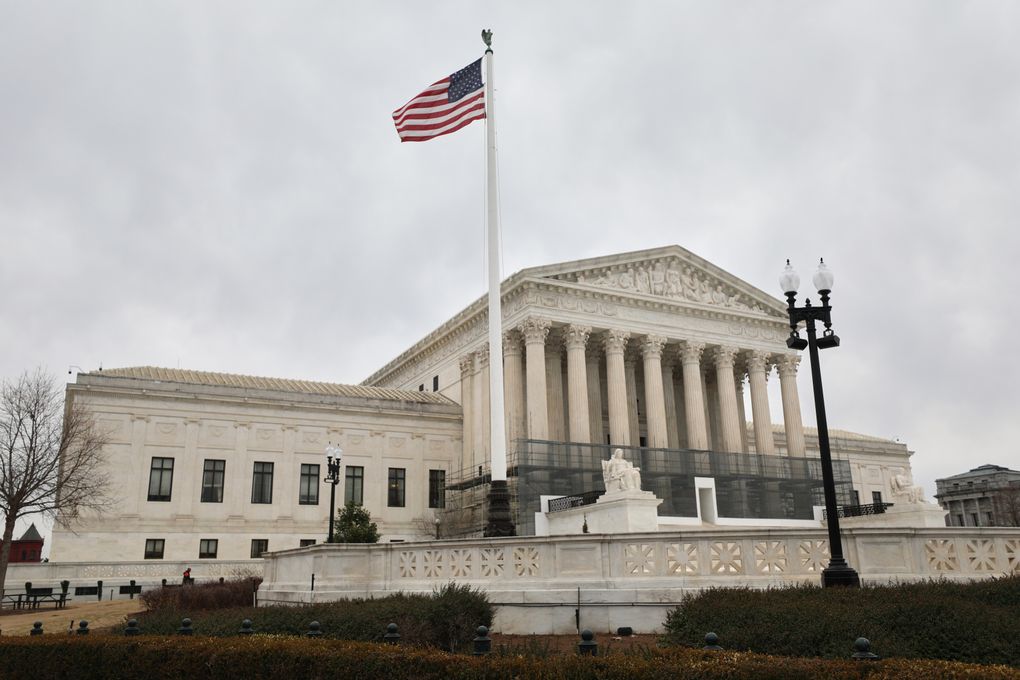
The Supreme Court has agreed to review the legality of geofence warrants that collect location data from cellphone users to identify individuals near crime scenes. This case involves a geofence warrant served on Google to track down a bank robber in Virginia. Geofence warrants are becoming more common in investigations, as they request location information for all individuals within a specific area over a set period.
In this instance, the police used the geofence warrant to apprehend Okello Chatrie, who was involved in a bank robbery in Midlothian. Chatrie later admitted guilt and received a lengthy prison sentence. However, his legal team argued that the warrant infringed on his privacy rights by allowing authorities to access the location history of individuals near the bank without evidence linking them to the crime. Prosecutors countered that Chatrie had no expectation of privacy since he had consented to Google's Location History feature.
A federal judge acknowledged that the search violated Chatrie's privacy rights but permitted the evidence to be used due to the officer's belief that the warrant was lawful. The appeals court in Richmond upheld the conviction, while a separate appeals court in New Orleans ruled that geofence warrants violate the Fourth Amendment's protection against unreasonable searches.
The Supreme Court is set to hear arguments on this case later this year, potentially in the spring or at the beginning of the court's next term in October. The outcome of this case will have significant implications for the use of geofence warrants in law enforcement investigations.