Horror Films of the 1970s: Pioneering the Evolution of the Genre
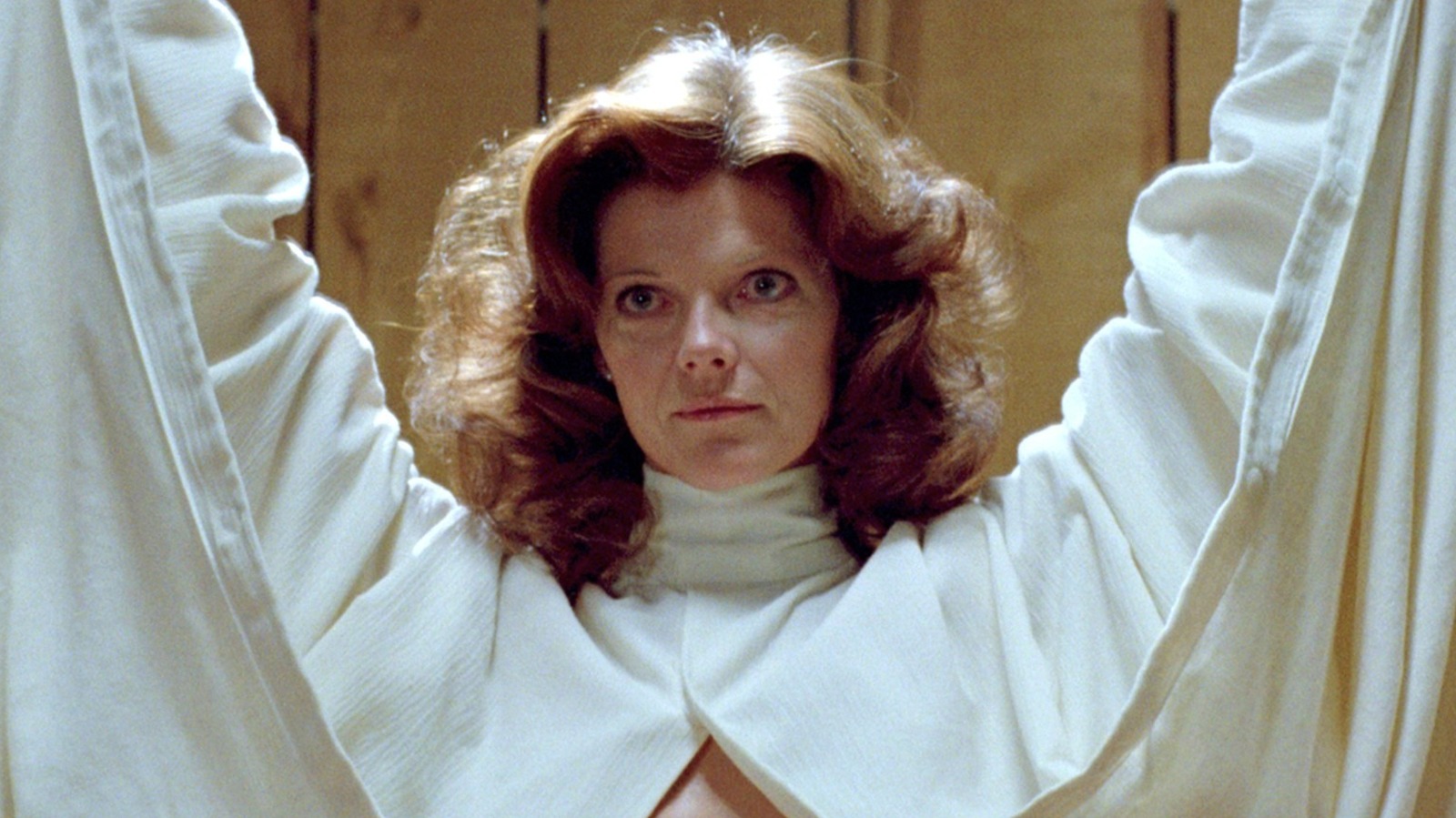
Horror movies have always had a knack for being ahead of their time, paving the way for the evolution of the genre. Whether it's through the exploration of themes, character development, or editing style, certain films from the 1970s have stood out as groundbreaking in their approach. One such film is "Alien," a classic that continues to resonate with audiences for its influential blend of horror and science fiction. The pacing of the film, allowing silence to build tension, and Sigourney Weaver's iconic portrayal of Ellen Ripley as a strong female character are just some of the elements that set "Alien" apart.
"Alice, Sweet Alice" may seem like a typical creepy kid movie, but it delves deeper into themes of religion and family dynamics. The film's exploration of Catholic guilt and the breakdown of the nuclear family against a religious backdrop make it a thought-provoking piece that challenges traditional horror narratives. Similarly, "Don't Look Now" takes a unique approach to grief and relationships, using unconventional editing techniques to blur the lines between reality and illusion, setting it apart from its contemporaries.
"Long Weekend" tackles environmental themes and personal conflicts in a way that was ahead of its time. The film's portrayal of nature seeking revenge on a destructive couple and the underlying tension surrounding abortion add layers of complexity to the horror narrative. By addressing these topics in the 1970s, "Long Weekend" remains a standout example of how horror films can push boundaries and challenge societal norms.
In conclusion, these horror films from the 1970s have proven to be ahead of their time, paving the way for future generations of filmmakers to explore new and innovative approaches to the genre. Their enduring impact and relevance serve as a testament to the power of storytelling and the ability of cinema to provoke thought and discussion.