Unconventional Methods: The Beatles' Journey in the Studio
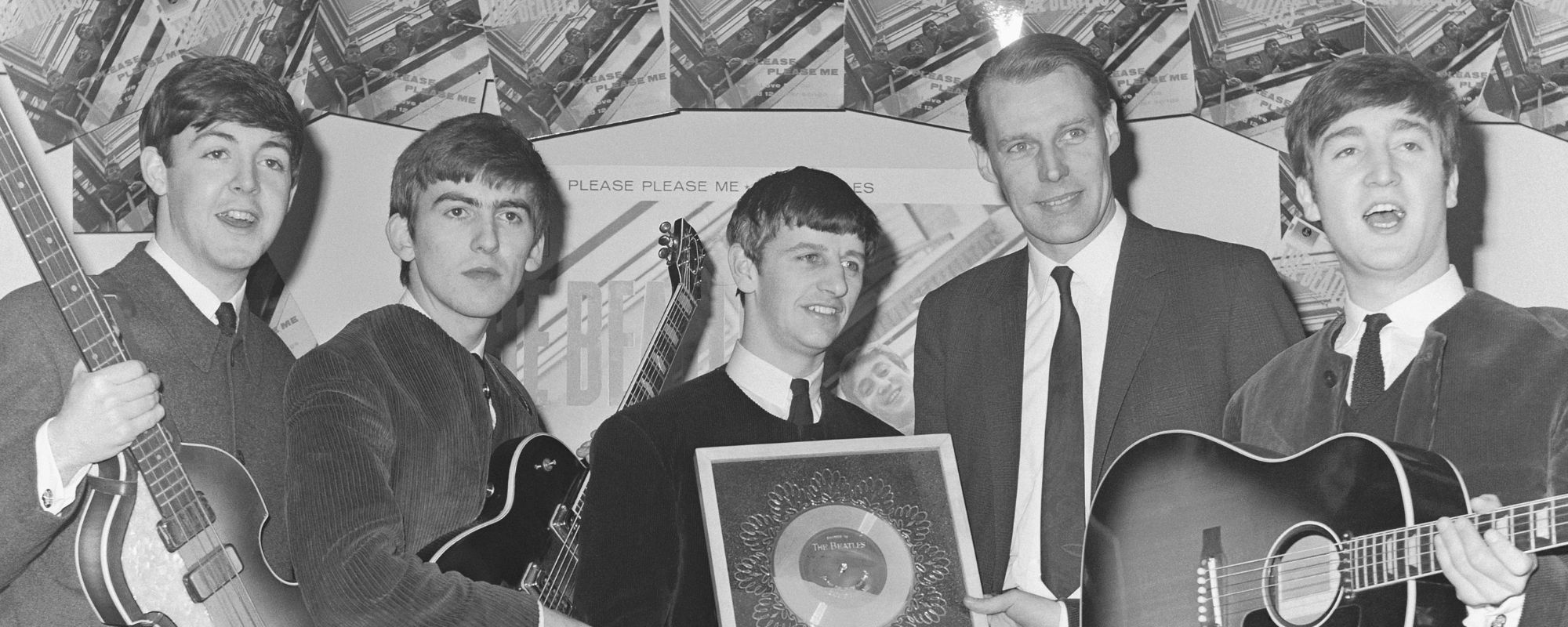
Creating a seamless album requires a significant amount of time and effort, a fact that The Beatles came to realize as they shifted their focus from live performances to studio work. While the band was driven by artistic passion, the engineers had a more practical approach, wanting to finish work and head home. To keep them in the studio, the band resorted to unconventional methods, such as serving tea laced with uppers by their roadie, Mal Evans, to the engineers, ensuring they stayed past their usual hours.
The use of uppers was not new to The Beatles, as they had relied on them during their early gigs in Hamburg to sustain their energy. The band members found the pills, known as Preludin, helpful in staying alert and performing for extended periods. The idea and supply of these pills came from the wait staff in Hamburg, who used them to work long shifts. The band members saw them as a necessary tool to keep going during demanding performances.
As The Beatles' journey progressed, other substances found their way into their studio sessions. Marijuana became a common companion during recording sessions, adding a relaxed atmosphere to the creative process. Additionally, LSD was present in the studio, with John Lennon recalling a dangerous mix-up where it was mistaken for uppers. The band's experimentation with various substances reflected the evolving cultural landscape of the time and influenced their music and creative output.
In conclusion, The Beatles' dedication to their craft led them to explore unconventional methods to enhance their studio sessions. From serving laced tea to engineers to relying on uppers during performances, the band's use of substances played a role in shaping their creative process. These experiences, though controversial, were part of the band's journey towards creating iconic music that continues to resonate with audiences worldwide.