South Africa Declares National Disaster: Responding to Devastating Floods and Loss of Lives
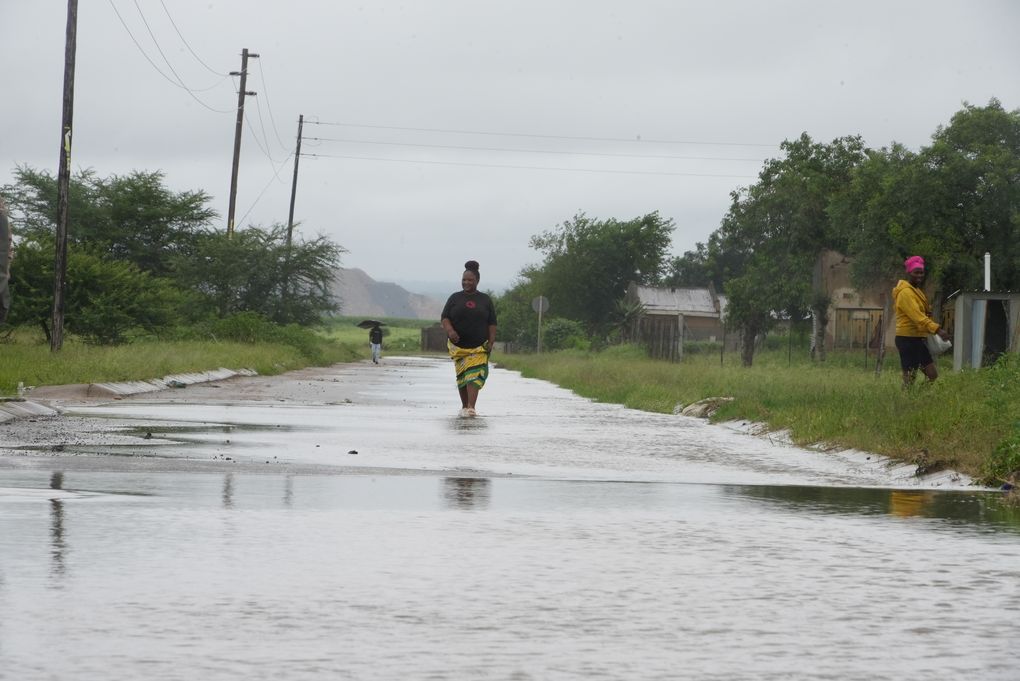
South Africa has declared a national disaster due to the devastating impact of torrential rains and floods in the northern part of the country, resulting in the loss of at least 30 lives and extensive damage to homes, roads, and bridges. The declaration allows for coordinated response efforts by the national government to address the crisis.
The most severely affected areas are the provinces of Limpopo and Mpumalanga, where the majority of the fatalities occurred. However, the severe weather has also impacted three other provinces, exacerbating the situation. The heavy rains have been ongoing for weeks, affecting not only South Africa but also neighboring Mozambique and Zimbabwe, leading to widespread flooding and loss of life.
The floods in northern South Africa have forced the closure of the Kruger National Park and the evacuation of tourists and staff from flooded camps to safer areas within the park. The premier of Limpopo province estimated that the damage caused by the weather amounts to approximately $240 million, with numerous homes and structures completely destroyed by the floods.
Last year, South Africa experienced significant flooding in the Eastern Cape province, resulting in over 100 fatalities, while in 2022, more than 400 people lost their lives in flooding in the eastern KwaZulu-Natal province. The continuous impact of extreme weather events underscores the urgent need for effective disaster management and mitigation strategies to protect lives and property.
In conclusion, the recent declaration of a national disaster in South Africa highlights the severity of the situation caused by torrential rains and floods, emphasizing the importance of proactive measures to address the immediate needs of affected communities and prevent further loss of life and destruction.