Actors Embrace the Final Curtain: The Impact of Character Deaths on Screen
Actors often find the most compelling performances in their death scenes, where they can leave a lasting impact on the audience. Whether it's a heroic sacrifice or a tragic demise, these moments can define a character's journey. Some actors have even requested their characters be killed off to explore new opportunities or bring closure to their roles.
Harrison Ford, known for his portrayal of Han Solo in the original "Star Wars" trilogy, felt that his character needed a noble sacrifice to complete his arc. Despite conflicting statements about his feelings towards the role, Ford believed that Han Solo's death would raise the stakes and add depth to the character. While George Lucas initially vetoed the idea, Han Solo met his end in "Star Wars: Episode VII - The Force Awakens" when he was killed by his own son, Ben Solo.
Charlton Heston, who played Taylor in the original "Planet of the Apes," requested that his character be killed off in the sequel, "Beneath the Planet of the Apes." Heston wanted to move on from the franchise and felt that Taylor's death would provide a fitting conclusion to his story. The film ended with Taylor sacrificing himself, triggering a bomb that destroyed the planet and its inhabitants.
Daniel Craig, who took over the role of James Bond in "Casino Royale," expressed his desire to leave the character behind after "Spectre." Craig initially planned to do only one Bond movie but ended up starring in four more films. He requested that Bond be killed off in his final movie, "No Time to Die," to bring closure to his tenure as the iconic spy.
Emma Caulfield, who played Anya in "Buffy the Vampire Slayer," asked for her character to be killed off in the series finale. Caulfield felt ready to move on from the show and saw Anya's sacrifice as a poetic end to her story. While Anya died in the final episode, her return as a spirit in the "Buffy" comics leaves the door open for future appearances.
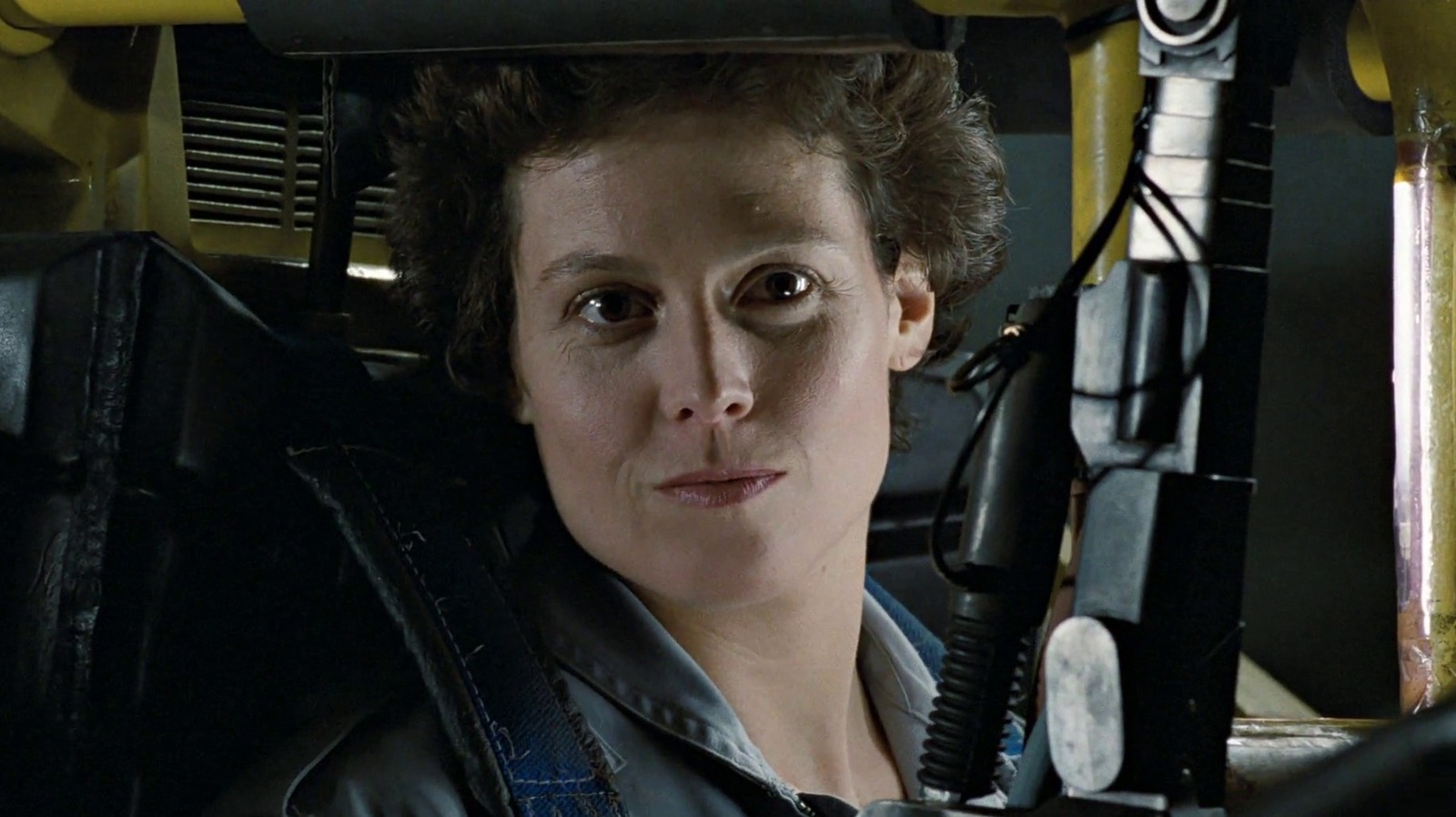
Sigourney Weaver, known for her role as Ellen Ripley in the "Alien" franchise, requested that her character be killed off in "Alien 3." Weaver wanted to end Ripley's story on her terms and felt that a crossover with "Alien vs. Predator" would diminish the legacy of the original films. Ripley returned as a clone in "Alien: Resurrection," but Weaver has since moved on from the franchise.
Jeffrey DeMunn, who played Dale in "The Walking Dead," asked to be killed off in solidarity with showrunner Frank Darabont. DeMunn felt that Darabont's departure from the show was unjust and chose to leave the series as a result. Dale's death in Season 2 marked the end of DeMunn's time on the show and allowed for new storylines to unfold.
Raymond Cruz, who portrayed Tuco Salamanca in "Breaking Bad," requested that his character be killed off early in Season 2. Cruz felt that Tuco's dark and unpredictable nature was too intense for him to continue playing the role. Tuco's death paved the way for new antagonists to enter the series and added to the tension between Walter and Jesse.
Danny Trejo, known for his villainous roles in film and television, has a clause in his contracts stipulating that his characters must die if they are bad guys. Trejo's personal experiences with crime and redemption have influenced his decision to portray the consequences of criminal behavior on screen. His characters often meet violent ends to send a message about the dangers of a life of crime.
In conclusion, actors have various reasons for requesting their characters be killed off, whether to explore new opportunities, bring closure to their roles, or send a message through their performances. These deaths can have a lasting impact on the audience and shape the narrative of the stories they inhabit.