Exploring the Dark and Enigmatic World of David Bowie's 'Outside': A Journey into Artistic Innovation and Unconventional Inspiration
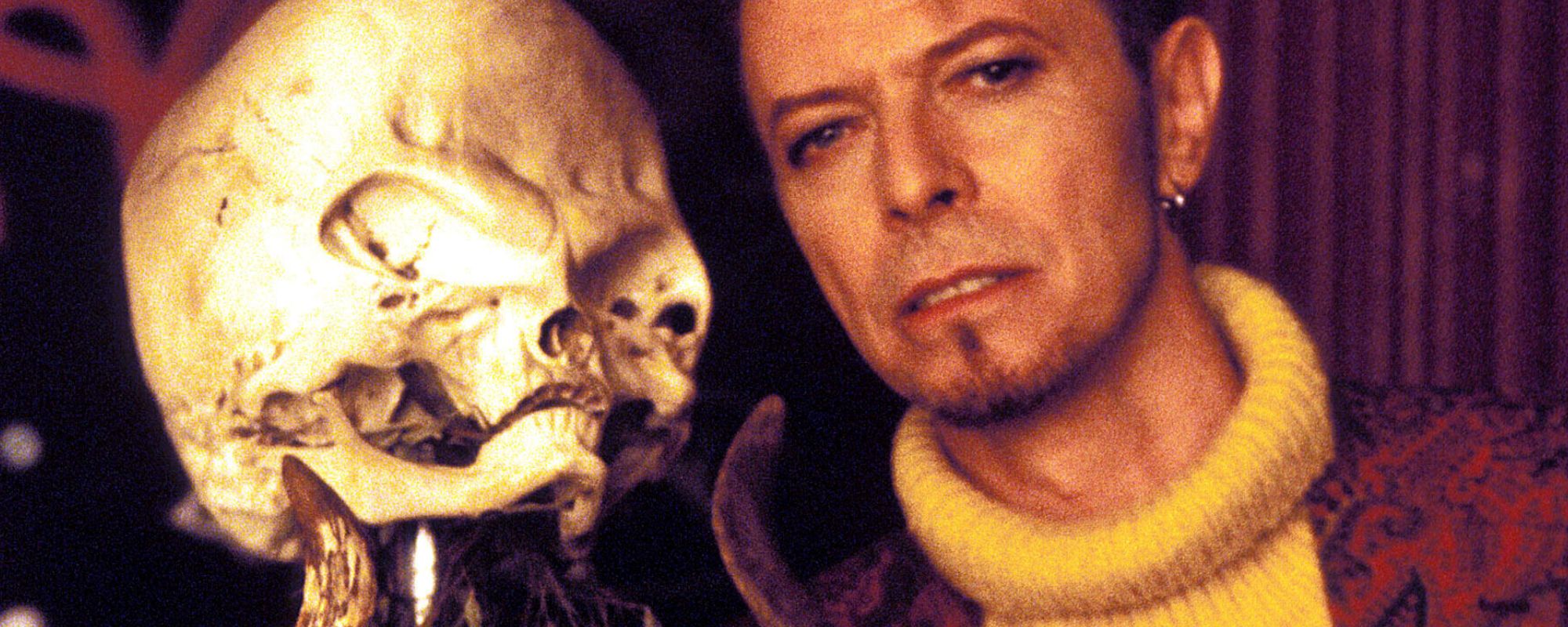
In 1995, David Bowie embarked on a creative journey with his 20th studio album, Outside, a collaboration with Brian Eno. Drawing inspiration from unconventional sources like cult TV shows and a psychiatric clinic in Austria, Bowie and Eno crafted a dark and enigmatic narrative akin to the unchronological style of Twin Peaks. The album revolves around the murder of a teenager from Oxford Town, New Jersey, delving into a macabre and uncommercial sonic landscape across its twenty tracks.
The Maria Gugging psychiatric clinic in Austria, home to the Haus der Künstler, served as a pivotal influence for Bowie and Eno. The clinic's residents, known for creating art without judgment under the label of "Art Brut" or "Outsider Art," captivated Bowie during his visit in 1994. Immersed in the clinic's unique atmosphere, Bowie integrated the residents' approach to art into the album's creation, encouraging a sense of play and freedom of expression among the artists involved in the recording process.
Despite not achieving significant commercial success, Outside showcased Bowie's willingness to explore unconventional themes and experimental sounds. The album's eccentricity and artistic depth resonated with audiences, earning critical acclaim and solidifying Bowie's reputation as a boundary-pushing artist.