Rail Safety Concerns in Spain: Recent Incidents Highlight Urgency for Enhanced Safety Measures
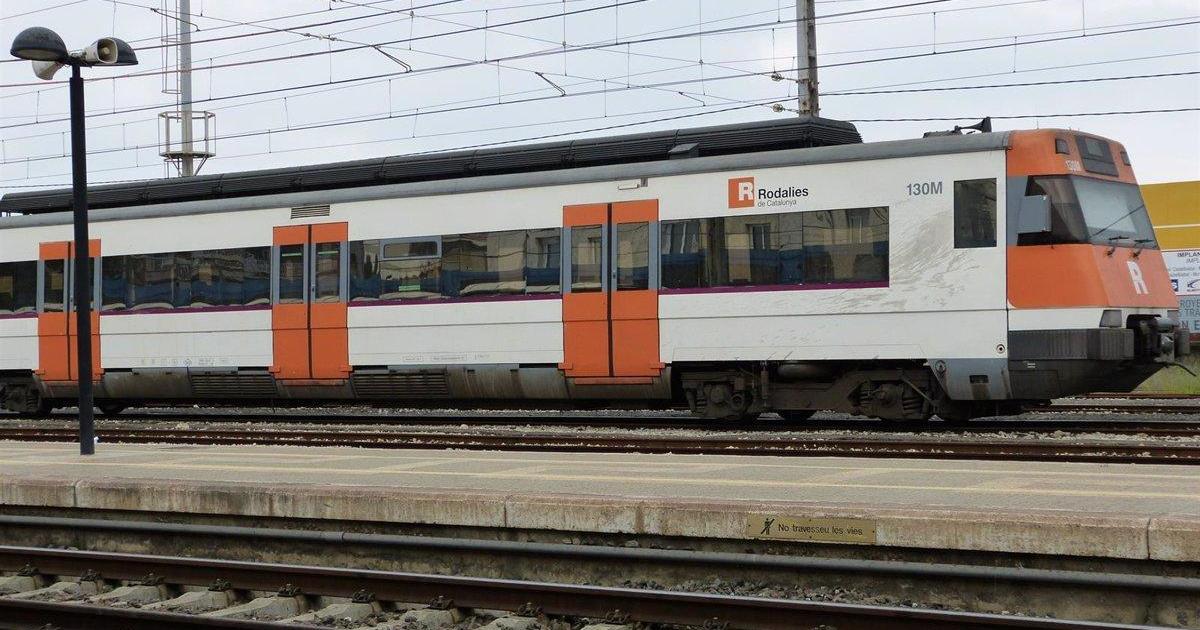
A tragic incident occurred near Barcelona as a commuter train derailed due to a collapsed retaining wall, resulting in the death of the train driver. Approximately 15 passengers sustained injuries, with three in serious condition and at least five with minor injuries, as reported by Catalonia’s Emergency Medical Service (SEM). The R4 Rodalies line between Sant Sadurní d’Anoia and Gelida was the site of the derailment, prompting the activation of the regional Ferrocat rail emergency plan. Responders, including ambulances, fire crews, and police units, swiftly arrived at the scene to provide assistance.
This recent train accident near Barcelona follows another tragic collision in Adamuz, Córdoba, just days earlier. The collision involved two high-speed trains, resulting in a significant death toll and numerous injuries. The incident occurred when an Iryo service from Málaga to Madrid derailed and collided with an oncoming Renfe Alvia train bound for Huelva. The aftermath of the collision has left many passengers hospitalized, with some in intensive care, underscoring the severity of the incident.
Additionally, rail services between Blanes and Maçanet-Massanes were disrupted after a train axle derailed due to severe weather conditions. The train struck a rock that had fallen onto the track, leading to the suspension of services in the area. These incidents highlight the ongoing risks faced by rail services during extreme weather events, emphasizing the need for robust safety measures and infrastructure maintenance.
Authorities are actively investigating all three incidents to determine the causes and assess the damage to Spain’s rail network. As the investigations continue, efforts to enhance safety protocols and address vulnerabilities in the rail infrastructure are crucial to prevent future accidents and ensure the well-being of passengers and railway personnel.